Hinterland Festival of Literature and Arts in Kells to Feature Kirsty Wark and Liz Nugent as Irish Literary Season Peaks
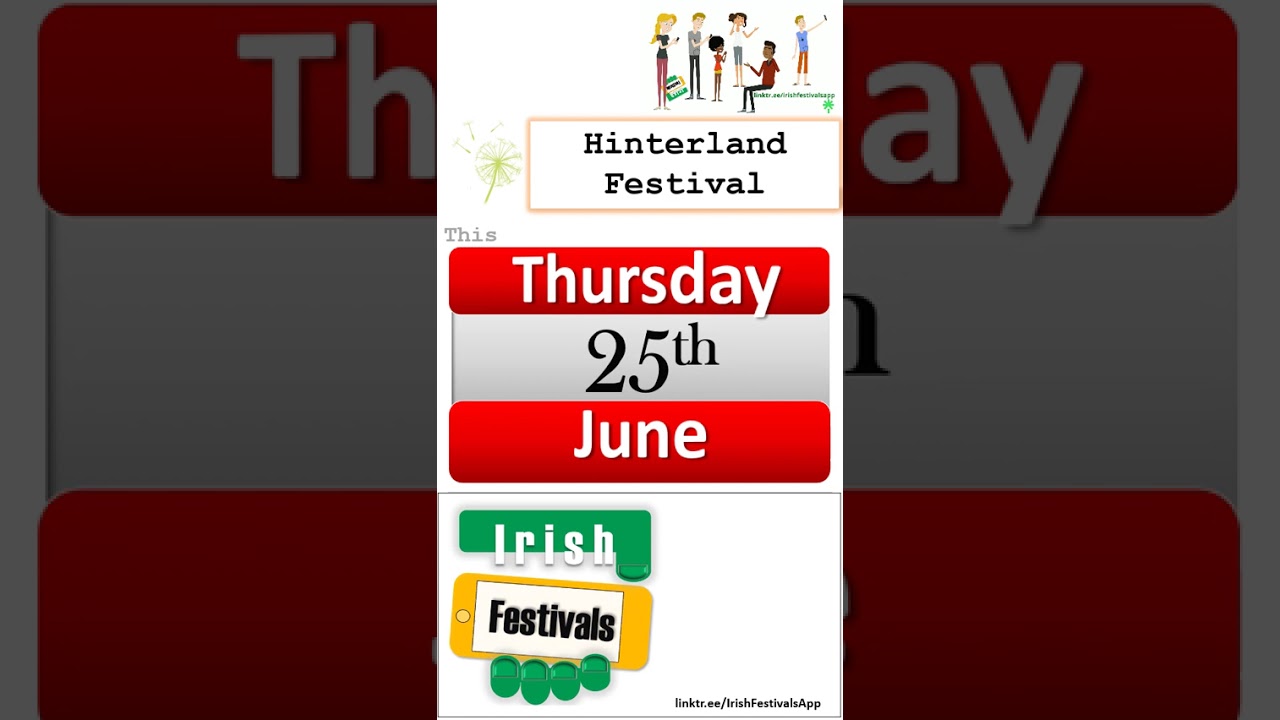
The Hinterland Festival of Literature and Arts in Kells, Co. Meath, opens this Wednesday for its annual four-day programme, featuring prominent authors and broadcasters including Kirsty Wark and Liz Nugent in a celebration of literature, ideas, and the arts that has become one of the most distinctive events in the Irish cultural calendar. The festival, which runs from 25 to 28 June, marks the peak of Ireland's extraordinary summer literary festival season — a period that has already seen the Bloomsday Festival in Dublin and the Festival of Writing and Ideas in Borris, Co. Carlow, and that will continue with further events throughout July and August.
Background
Hinterland was established in Kells with a specific ambition: to create a literary festival that was rooted in its place — in the landscape, history, and culture of Co. Meath — while engaging with the broadest possible range of ideas and perspectives. Kells, a market town in the heart of the Irish midlands, is best known internationally as the home of the Book of Kells, the illuminated manuscript that is one of the great treasures of early medieval art and that now resides in Trinity College Dublin. The festival draws on that heritage, positioning itself as a celebration of the written word in a place that has been associated with literary culture for more than a thousand years.
The festival's programme has evolved over the years to encompass not just literature in the traditional sense but a wide range of arts and ideas — music, visual art, film, and public conversation about the issues that shape contemporary life. This breadth is one of Hinterland's distinguishing features, setting it apart from festivals that focus exclusively on books and authors and making it a genuinely interdisciplinary event that appeals to a wide range of audiences.
The summer literary festival season in Ireland is one of the most remarkable cultural phenomena in the country's recent history. The proliferation of festivals — from the long-established Listowel Writers' Week to newer events like Hinterland and the Borris Festival — reflects both the extraordinary richness of Irish literary culture and the public appetite for engagement with authors and ideas that has grown significantly in recent decades.
Key Developments
This year's Hinterland programme features Kirsty Wark, the veteran BBC broadcaster and author, who will be in conversation about her work and her perspective on the relationship between journalism, literature, and public life. Wark, who has been one of the most prominent figures in British broadcasting for four decades, brings a perspective that is both deeply engaged with contemporary culture and rooted in a long career of public service journalism. Her appearance at Hinterland reflects the festival's commitment to programming figures who can speak to the intersection of culture, politics, and ideas.
Liz Nugent, one of Ireland's most successful crime writers, will also be a central figure in this year's programme. Nugent, whose novels have been bestsellers in Ireland and internationally, is known for her psychologically complex characters and her ability to explore the dark undercurrents of Irish society through the medium of crime fiction. Her appearance at Hinterland will include a discussion of her latest work and a broader conversation about the role of crime fiction in contemporary Irish culture.
The festival's programme extends well beyond these headline acts, with a range of events covering poetry, short fiction, memoir, and public conversation about issues including climate change, mental health, and the future of Irish society. The festival has a particular commitment to programming emerging Irish writers alongside established names, providing a platform for new voices that might not yet have the profile to attract large audiences on their own.
Why It Matters
Hinterland matters because it is one of the clearest expressions of the depth and diversity of Ireland's literary culture. The festival's ability to attract writers and thinkers of the calibre of Kirsty Wark and Liz Nugent to a small market town in Co. Meath is a testament to the quality of the event and to the extraordinary appetite for literary culture that exists in Ireland. In a country where the public library network is under pressure and where the arts sector faces ongoing funding challenges, the success of events like Hinterland is a reminder of what is possible when communities invest in culture.
The festival also matters for what it does for Kells and Co. Meath. The economic impact of a four-day literary festival on a small town is significant — the hotels, guesthouses, restaurants, and shops of Kells all benefit from the influx of visitors that the festival brings. But the cultural impact is equally important. Hinterland has put Kells on the map as a cultural destination, attracting visitors who might not otherwise have reason to visit the town and who often discover, in the process, the extraordinary heritage and landscape of Co. Meath.
The broader context of Ireland's summer literary festival season is also significant. The density of high-quality literary events in Ireland during the summer months — from Listowel to Borris, from Bloomsday to Hinterland — is a remarkable cultural achievement for a small country, and it reflects the extraordinary importance that Irish society places on literature and the written word. That tradition, which stretches back to the monks who illuminated the Book of Kells in the ninth century, continues to flourish in the twenty-first century in ways that would have been unimaginable even a generation ago.
Local Impact
For Kells and the surrounding area, the Hinterland Festival is one of the most significant events of the year. The town's hotels and guesthouses are typically fully booked during the festival weekend, and the local restaurants and cafes benefit significantly from the increased footfall. The festival has also had a longer-term impact on the town's cultural identity, with a growing number of local residents becoming involved in the festival as volunteers, organisers, and participants.
The festival's connection to the Book of Kells heritage is a particular asset. Many visitors who come to Hinterland for the literary programme also take the opportunity to visit the Kells Heritage Centre and to explore the town's rich medieval heritage. This combination of contemporary literary culture and ancient heritage is one of the things that makes Hinterland distinctive, and it has helped to establish Kells as a cultural destination that offers something genuinely different from the more established literary festival locations.
What's Next
The Hinterland Festival runs from Wednesday, 25 June, to Saturday, 28 June, with a full programme of events available on the festival's website. Tickets for the headline events are available online, with some events free to attend. The festival will conclude on Saturday evening with a closing event that celebrates the end of the programme and looks ahead to next year's edition. For Ireland's literary community, the end of Hinterland marks the beginning of the second half of the summer festival season, with further events in July and August continuing the extraordinary celebration of Irish literary culture that has made the summer months one of the most exciting times of year for book lovers across the country.