Belfast TradFest 2026 Unveils Massive Programme with 1,000 Artists, 'Titanic Céilí' and New Sober Sessions
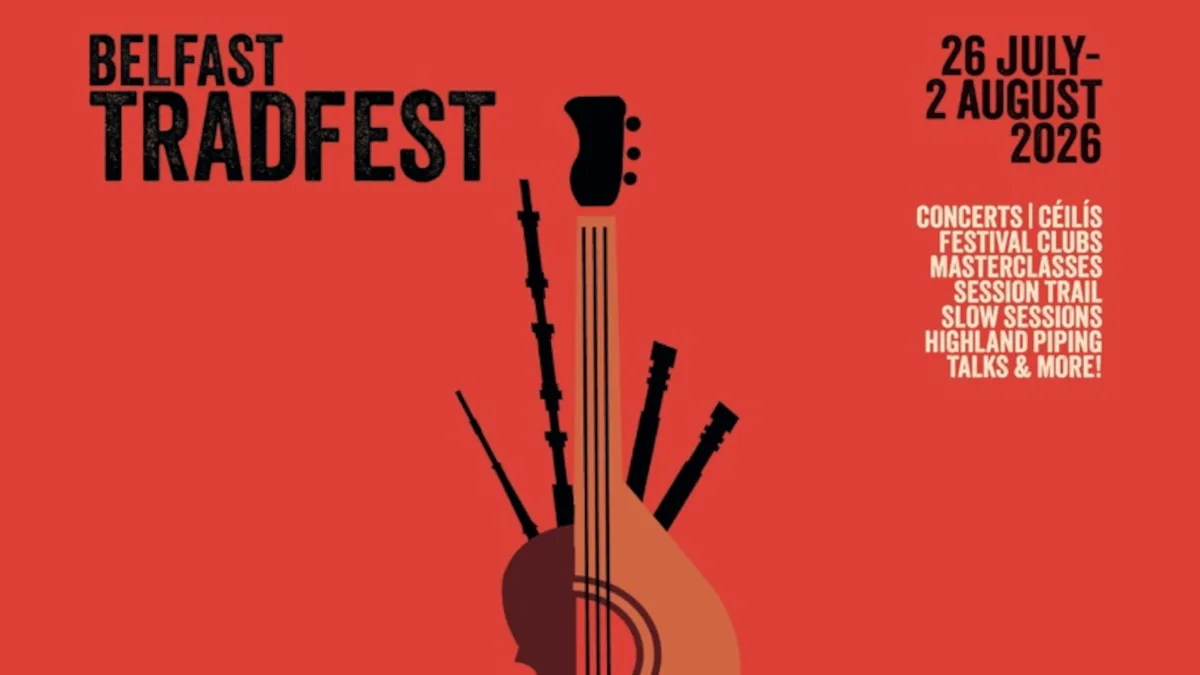
The eighth edition of Belfast TradFest has unveiled a programme of extraordinary scale and ambition, featuring over 1,000 artists in nearly 600 events across 40 venues throughout the city from 26 July to 2 August 2026 — a week-long celebration of traditional Irish music that has grown from a modest local initiative into one of the most significant cultural events in the Irish calendar. Among the highlights of this year's programme are a "Titanic Céilí" on Belfast's Maritime Mile, a Dunville's Irish Whiskey Session Trail featuring over 130 traditional music sessions in pubs across the city, and a new partnership with The Sober Irish to introduce alcohol-free "Sober Sessions" for the first time in the festival's history.
Background
Belfast TradFest was established eight years ago with a simple but ambitious goal: to make Belfast a destination for traditional Irish music and to celebrate the city's deep and often underappreciated connection to the trad tradition. Northern Ireland has produced some of the greatest traditional musicians in the world — from the fiddle players of Fermanagh and Tyrone to the uilleann pipers of Antrim and Down — and the festival was conceived as a way of bringing that tradition to the fore and sharing it with audiences from across Ireland and beyond.
The festival's growth over eight years has been remarkable. What began as a relatively modest programme of sessions and concerts has expanded into a week-long celebration that now attracts visitors from across Ireland, Britain, Europe, and North America. The festival has become a significant economic event for Belfast, generating substantial revenue for the city's hospitality sector and raising the profile of Belfast as a cultural destination. It has also played an important role in the broader story of Belfast's post-conflict transformation, presenting a city that is confident, creative, and proud of its cultural heritage.
The timing of the festival — in late July, at the height of the summer tourist season — is deliberate. Belfast TradFest has become one of the anchor events of the city's summer cultural programme, complementing other major events including the Belfast International Arts Festival and the Cathedral Quarter Arts Festival. The festival's organisers have worked hard to build relationships with the city's hospitality sector, ensuring that the economic benefits of the event are spread as widely as possible across Belfast's bars, restaurants, and accommodation providers.
Key Developments
The 2026 programme is the most ambitious in the festival's history. The "Titanic Céilí" on the Maritime Mile is one of the signature events — a large-scale outdoor céilí that will bring hundreds of dancers and musicians together on the waterfront that has become one of Belfast's most iconic public spaces. The event is designed to be accessible to all, with céilí dancing instruction available for those who are new to the tradition, and it is expected to be one of the most memorable moments of the festival week.
The Dunville's Irish Whiskey Session Trail is another highlight, offering festival-goers the opportunity to experience traditional music in the authentic setting of Belfast's pubs. With over 130 sessions across the city, the trail covers venues from the Cathedral Quarter to the Holylands, from the Titanic Quarter to the south Belfast suburbs, ensuring that the festival's reach extends well beyond the city centre. The sessions are free to attend, making the festival accessible to people of all backgrounds and budgets.
The introduction of "Sober Sessions" in partnership with The Sober Irish is a significant development that reflects the festival's commitment to inclusivity. Traditional music sessions have historically been associated with pub culture, and the availability of alcohol-free events is a recognition that not everyone who loves traditional music wants to experience it in a pub environment. The Sober Sessions will be held in a range of venues across the city and will offer the same quality of music as the rest of the festival programme.
Why It Matters
Belfast TradFest matters because it is one of the most powerful expressions of Belfast's cultural identity and its connection to the broader Irish cultural tradition. Traditional music is one of the great living art forms of the Irish world — a tradition that has survived centuries of political upheaval, cultural suppression, and social change, and that continues to evolve and adapt while remaining rooted in its origins. The festival's celebration of that tradition, in a city that has its own complex and sometimes painful relationship with Irish cultural identity, is a genuinely significant cultural act.
The festival also matters for what it says about the global resurgence of interest in traditional Irish music. The extraordinary international success of Belfast Irish-language artists and the broader cultural moment they represent has brought Irish music and culture to the attention of audiences around the world who might never previously have encountered it. Belfast TradFest is one of the places where that global interest can be channelled into a genuine engagement with the living tradition, and the festival's growing international profile reflects the appetite for that engagement.
The introduction of Sober Sessions is also significant in a broader cultural context. The relationship between traditional music and alcohol has been a source of tension within the trad community for years, with many musicians and music lovers feeling that the pub setting excludes people who do not drink or who prefer a different kind of listening environment. The festival's decision to address this directly is a welcome step towards making traditional music more accessible and inclusive.
Local Impact
The economic impact of Belfast TradFest on the city is substantial. The festival attracts thousands of visitors from outside Belfast, generating significant revenue for the city's hotels, guesthouses, restaurants, and bars. The 130-plus pub sessions on the Dunville's Session Trail are a particular boon for the city's hospitality sector, with each session bringing additional customers to venues that might otherwise be quieter during the week. Belfast City Council has estimated that the festival generates several million pounds in economic activity for the city each year.
The cultural impact is equally significant. For Belfast's traditional music community — the musicians, dancers, and music lovers who keep the tradition alive in the city's clubs, sessions, and schools — the festival is a week of celebration and connection that reinforces the sense of community and shared purpose that sustains the tradition year-round. For younger people who are discovering traditional music for the first time, the festival provides an accessible and welcoming entry point into a world that can sometimes feel intimidating to outsiders.
What's Next
Tickets for Belfast TradFest 2026 are now on sale, with the festival's website providing full details of the programme and booking information. The organisers have indicated that demand for tickets to the headline events — including the Titanic Céilí and the main concert programme — has been strong, and they are encouraging people to book early to avoid disappointment. The festival runs from 26 July to 2 August, with the full programme available on the Belfast TradFest website. For traditional music lovers in Belfast and beyond, the last week of July cannot come soon enough.