Irish University Accommodation Costs Rise Again as Average College Bill Reaches €16,158
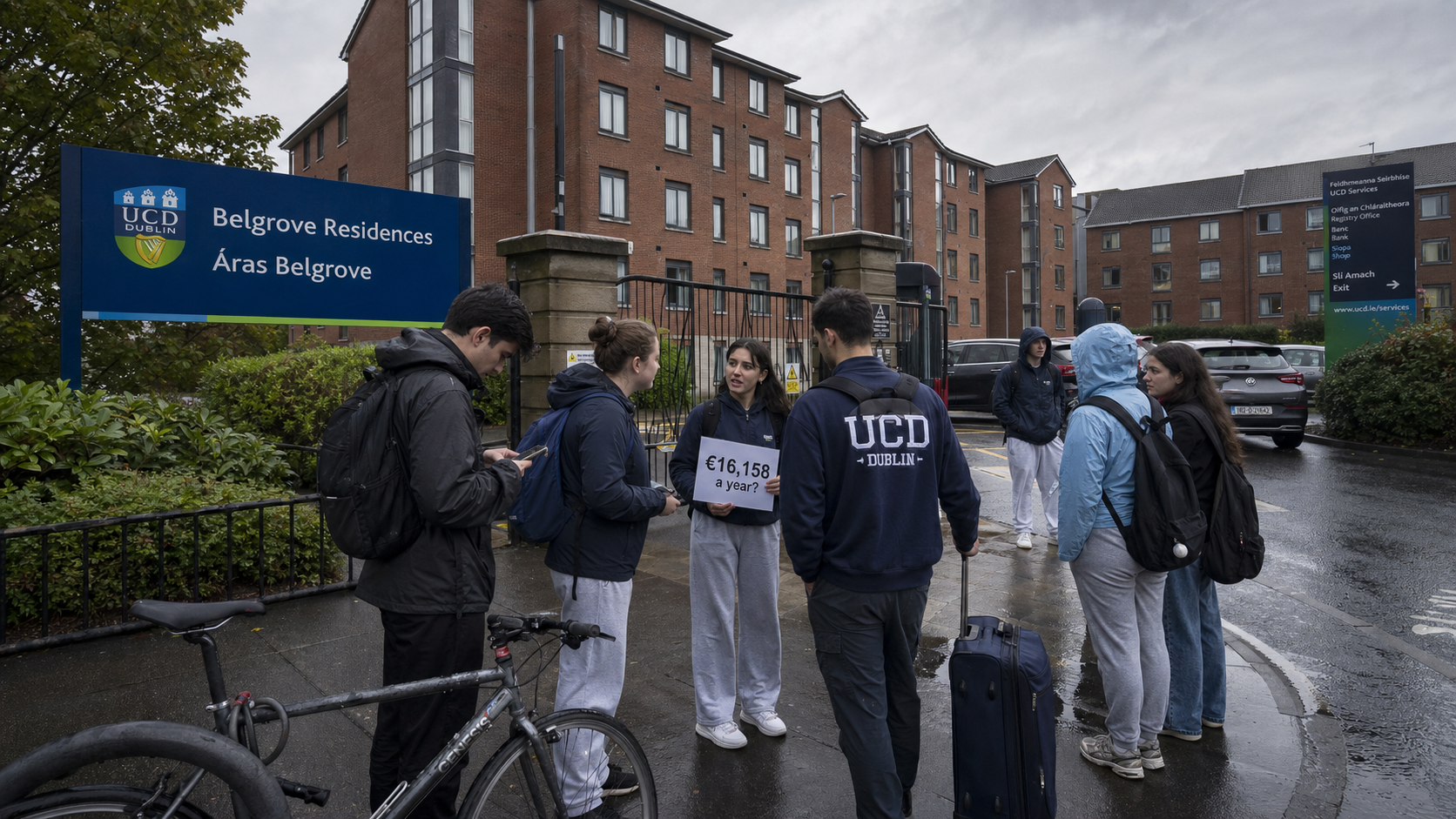
Nearly all major Irish universities have increased on-campus accommodation costs for the 2026-27 academic year, with the average annual cost of attending college in Ireland now reaching €16,158 — an increase of €479 on 2025 and €1,060 on 2023. The increases come despite rent control legislation that caps annual rises at 2%, with several institutions using service charges to circumvent the limit, prompting the introduction of a new Residential Tenancies (Student Rent) Bill.
Background
The cost of attending university in Ireland has been rising steadily for several years, driven primarily by accommodation costs in a housing market that has been characterised by chronic undersupply and rapidly rising rents. The problem is most acute in Dublin, where the concentration of higher education institutions — University College Dublin, Trinity College Dublin, Dublin City University, Technological University Dublin, and several others — creates intense competition for a limited supply of student accommodation.
The government has attempted to address the issue through a combination of rent control legislation, investment in purpose-built student accommodation, and the expansion of on-campus housing. The Residential Tenancies Acts cap annual rent increases at 2% in Rent Pressure Zones, which cover most urban areas in Ireland. However, the application of these controls to student accommodation has been complicated by the use of service charges — covering utilities, waste, security, and other costs — which are sometimes excluded from the base rent and therefore fall outside the cap.
The result is a system in which the headline rent figure may comply with the 2% limit while the total cost to students rises by significantly more. This practice has been the subject of sustained criticism from student unions, housing advocates, and opposition politicians, and has now prompted legislative action.
Key Developments
The Irish Times has published a comprehensive analysis of on-campus accommodation costs for the 2026-27 academic year, revealing that the majority of institutions have applied increases at or near the 2% cap. University College Dublin remains the most expensive option in the state, with an en suite bedroom in Village 3 priced at €11,990 for the academic year. The cheapest UCD option — a shared bedroom — costs €5,771, an increase of approximately €50 on the previous year.
The University of Galway has increased rents by nearly 2%, with the cheapest option — a single bed in a twin room — costing €3,316, while the most expensive option, a double-plus en suite in Dunlin Village, has risen to €8,086. Maynooth University has applied a 1.99% increase, with accommodation ranging from €4,856 to €6,480.
The service charge issue has been particularly acute at Dublin City University, which faced criticism last year for significant increases in total monthly payments through service fees. For 2026, DCU's service charges range from €92.71 to €118.52 per month. Maynooth University has increased its one-off utility and service charge from €650 to €700 — a rise of over 7% — which, when combined with the base rent, results in an overall monthly increase that exceeds the 2% legislative limit.
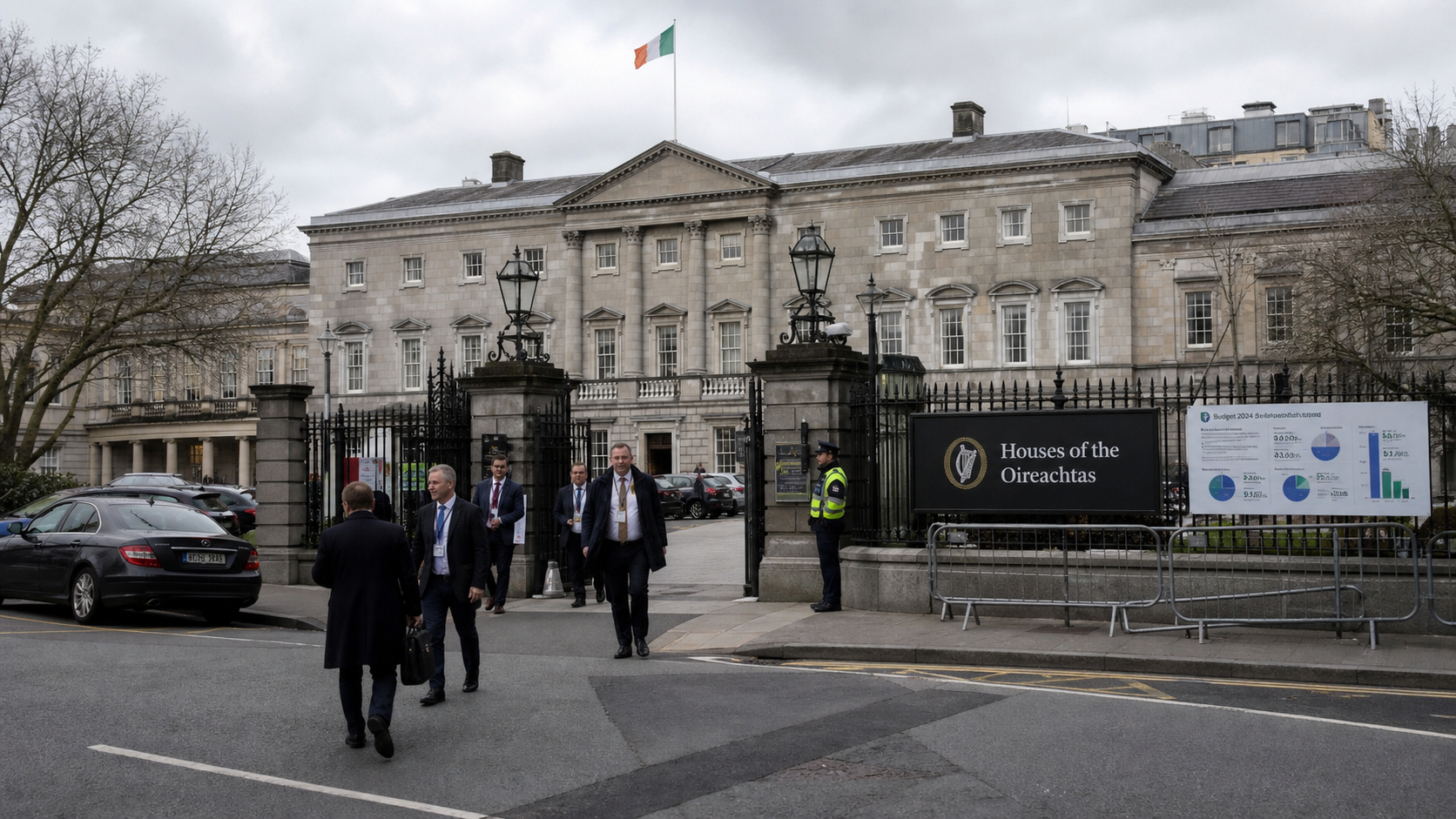
The new Residential Tenancies (Student Rent) Bill, introduced in response to these practices, would mandate the inclusion of all service and utility charges within the advertised rent, preventing institutions from using ancillary charges to circumvent rent controls. The bill has received cross-party support and is expected to progress through the Oireachtas before the end of the year.
Why It Matters
The rising cost of student accommodation is not merely a financial inconvenience — it is a barrier to participation in higher education that falls most heavily on students from lower-income backgrounds and from rural areas who cannot commute to college. The €16,158 average annual cost of attending college in Ireland is a figure that places higher education beyond the reach of many families without significant financial support, and the gap between the cost of on-campus and private accommodation — approximately €976 per year — means that students who cannot secure a place in college-owned housing face an even greater burden.
The situation in Limerick is particularly notable. The city recorded the largest increase in student costs in Ireland in 2026, with students spending roughly €81 more per month than in previous periods — a consequence of rising private rents in a city where the supply of purpose-built student accommodation has not kept pace with the growth of the University of Limerick and Technological University of the Shannon.
Local Impact
The accommodation crisis affects students at institutions across the country, but its impact is felt most acutely in Dublin, Cork, Galway, and Limerick — the cities where the largest concentrations of higher education students are located. In Dublin, the shortage of affordable student accommodation has pushed many students into the private rental market, where they compete with working professionals and families for a limited supply of properties. The result is a displacement effect that affects not only students but also the communities in which they live, as the concentration of student renters in certain neighbourhoods drives up rents for all residents.
What's Next
The Residential Tenancies (Student Rent) Bill is expected to be debated in the Dáil in the autumn session, with a view to enactment before the end of 2026. The Higher Education Authority is also reviewing its capital investment programme for student accommodation, with a focus on increasing the supply of affordable on-campus housing at institutions outside Dublin. The Union of Students in Ireland has called for a freeze on all student accommodation charges pending the outcome of the legislative process, a demand that the government has not yet accepted.