Irish Primary Teachers Set for Strike Ballot After Government 'Breach of Faith' on Pay
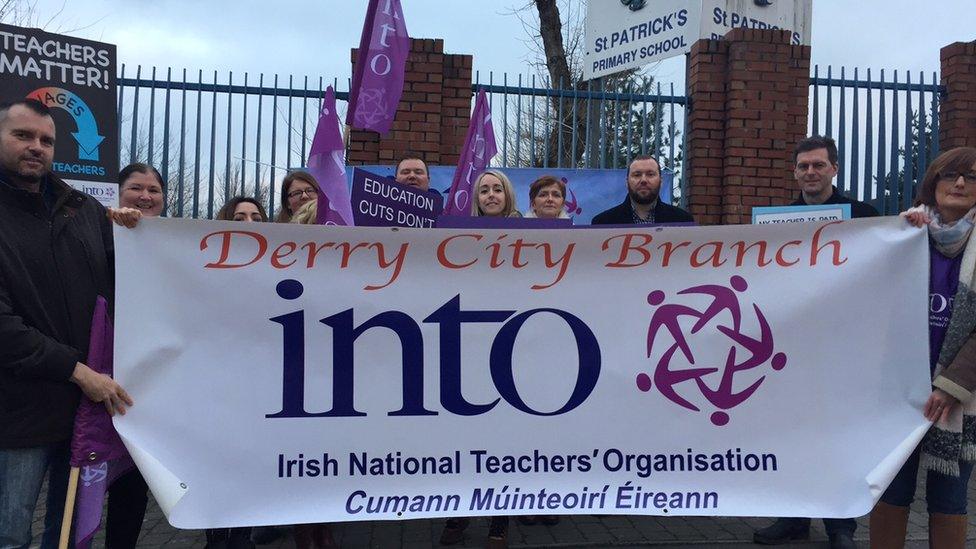
Primary school teachers across the Republic of Ireland are to be balloted on industrial action after the Irish National Teachers' Organisation passed a motion on Monday accusing the government of a "massive breach of faith" over €18 million in overdue pay that has not been delivered since September.
The INTO's motion, passed on 6 April 2026, commits the union to conducting a nationwide vote if the issue of local bargaining funds is not resolved by the end of April. INTO president Anne Horan described the government's failure to pay the money as a fundamental breach of the public sector pay agreement, warning that the delay would increase pressure to seek substantial pay increases in upcoming negotiations for a new deal.
Background
The €18 million in question — a figure that continues to grow — was due since September under the terms of the 2024-2026 Public Sector Pay Agreement, which allows unions to negotiate up to an additional 3% of pay costs for specific groups. The INTO had proposed using the funds to restore 12 allowances, including those for teachers working in remote areas or holding higher qualifications. The union argues that the delay is particularly damaging given that inflation is currently running at 3.6%, while the broader public sector agreement provides pay increases of only 1% and 2% for the first half of the year.
The pay dispute is inflaming tensions within a profession already under immense strain. Teacher unions, including the INTO, Teachers' Union of Ireland (TUI), and the Association of Secondary Teachers, Ireland (ASTI), have characterised the situation as an "abject failure" of government policy. A TUI survey found that 60% of second-level schools had unfilled vacancies, while an ASTI survey reported that 77% of schools received no applications for some advertised posts. One report indicated that 98% of Irish schools employed unqualified individuals during the 2023/24 school year to cover staffing gaps.
The crisis is directly impacting student education. Nearly one-in-five second-level schools have been forced to drop entire subjects, and half have had to restrict student access to certain subjects due to a lack of qualified teachers. A critical consequence of the substitute teacher shortage is the redeployment of special education teachers to cover mainstream classes, depriving vulnerable students of essential support.
Key Developments
The Teachers' Union of Ireland (TUI) has separately warned that teaching is no longer a viable career for many, citing issues with pay and workload. A survey found that four in five veteran teachers said they could not afford to enter the profession today, while TUI president Anthony Quinn noted that teacher retention remains a significant challenge in second-level schools. The Association of Secondary Teachers, Ireland (ASTI) annual convention is also expected to debate pay and conditions this week, with the sector facing mounting pressure from all sides.
The government's position starkly contrasts with the unions' assessment. The Department of Education has rejected the suggestion that the sector is generally short-staffed, citing data from November 2025 showing a post-primary vacancy rate of just 0.7%. The Department also points to measures it has taken to address shortages, including a 20% increase in initial teacher education graduates, the introduction of a STEM bursary, and a PME fee refund scheme. However, unions dismiss these as "minimalist actions" that have failed to make a dent in the chronic shortages.
Why It Matters
A teachers' strike in the Republic of Ireland would have immediate and significant consequences for hundreds of thousands of families. Primary schools across the country would close, placing enormous pressure on working parents and disrupting the education of children at a critical stage of their development. The dispute also reflects a deeper crisis of confidence in the government's commitment to public sector workers, at a time when the cost of living continues to squeeze household budgets. If the INTO ballot returns a yes vote, it would be the first primary teachers' strike in Ireland in decades, and would send a powerful signal to other public sector unions about the limits of the current pay agreement framework.
Local Impact
While the dispute is centred in the Republic, it has resonance in Northern Ireland, where teachers face their own pay pressures and where cross-border educational cooperation is a significant feature of the school system. Many teachers in border communities work across both jurisdictions, and a prolonged strike in the Republic would disrupt those arrangements. The INTO represents teachers in both jurisdictions, and the outcome of the ballot will be watched closely by the Northern Ireland Teachers' Council and the Department of Education in Stormont.
What's Next
If the government does not resolve the local bargaining funds issue by the end of April, the INTO will proceed with a nationwide ballot on industrial action. A yes vote would pave the way for strikes in primary schools across the Republic, adding to the pressure on the government at a time when it is also managing fuel price protests and a housing crisis. For the latest on the dispute, visit The Irish Times and the INTO's own statement at INTO.ie.