Irish Government Survives Confidence Vote Amid Fuel Crisis Aftermath
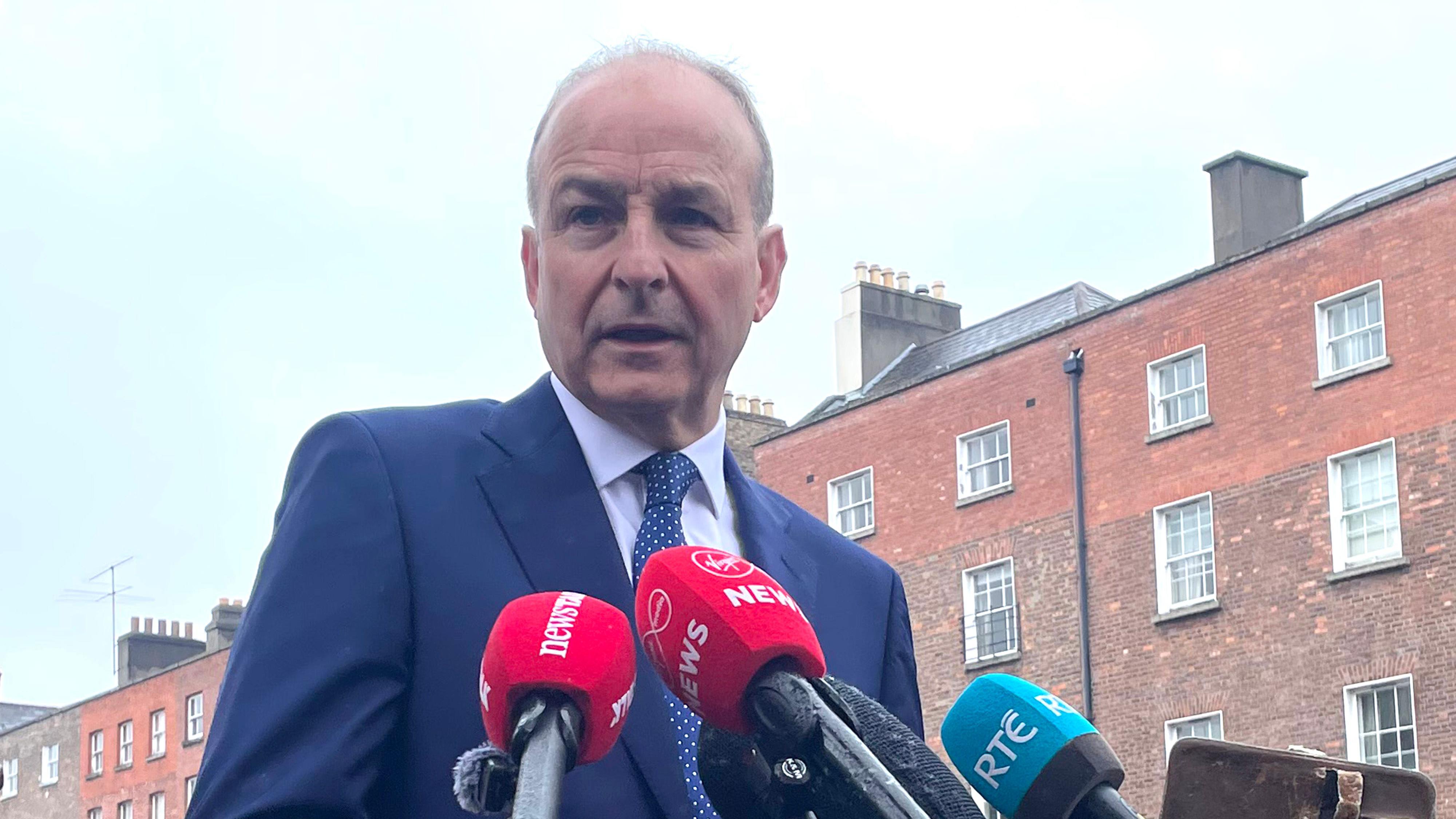
Taoiseach Micheál Martin's coalition has weathered a significant political storm, surviving a motion of no confidence by 92 votes to 78 in the Dáil, as Ireland continues to grapple with the fallout from a severe nationwide fuel crisis that brought the country to a standstill and exposed deep fractures within the governing coalition.
Background
The confidence motion was tabled by Sinn Féin in response to widespread public and political discontent over the government's handling of a fuel crisis that saw farmers, hauliers, and transport workers blockade major roads, motorways, and oil refineries across Ireland from 7 April 2026. The crisis, exacerbated by soaring global fuel prices linked to the ongoing Iran war and the disruption of shipping through the Strait of Hormuz, caused widespread shortages, with an estimated 600 of the country's 1,500 filling stations running dry at the peak of the disruption.
The protests were not confined to the Republic. In Belfast, solidarity convoys of tractors and hauliers caused significant traffic disruption on the Sydenham Bypass, the Westlink, and the A1 on 14 April, as Northern Ireland's farming and haulage communities expressed their own frustration at soaring fuel costs. First Minister Michelle O'Neill and deputy First Minister Emma Little-Pengelly jointly wrote to Prime Minister Keir Starmer requesting a fuel duty cut and financial support package for households and businesses across the North.
Key Developments
Facing intense pressure from the streets and the opposition benches, the government announced a comprehensive €505 million support package on 12 April 2026. The package included an additional 10 cent per litre excise duty reduction on petrol and diesel — bringing the total reduction since March to 27 cents for petrol and 32 cents for diesel — alongside a new Road Transporters Support Scheme providing direct payments to haulage and coach operators at an estimated cost of €40 million per month. A €100 million scheme was also established to assist farmers, agricultural contractors, and the fishing sector, while a planned carbon tax increase was deferred until the October budget.
The political drama reached its peak during the Dáil confidence debate on 14 April, when Michael Healy-Rae, the Independent TD for Kerry serving as Junior Minister of State at the Department of Agriculture, delivered a bombshell resignation from the chamber floor. Citing conversations with constituents — including, in his own words, "grown men crying over the cost of fuel" — Healy-Rae declared he could no longer support a government that had "let the people of Ireland down." His brother Danny Healy-Rae also voted against the government. Despite the high drama, the coalition secured the confidence vote by 92 to 78.
Why It Matters
The confidence vote outcome provides the government with a degree of political breathing room, but the underlying issues — soaring fuel costs, supply chain vulnerabilities, and public anger — have not been resolved. The Healy-Rae defection, made without warning to the Taoiseach or senior ministers, reduced the coalition's working majority and exposed its vulnerability to pressure from Independent TDs representing rural constituencies. Political analysts described the resignation as inflicting "massive damage" on the government's perceived cohesion, even as it maintained its numerical advantage in the Dáil.
The €505 million support package, while substantial, drew criticism from the Green Party's Roderic O'Gorman, who accused the government of bowing to "populist emotions" by deferring the carbon tax increase. The episode underscored the tension between Ireland's climate commitments and the immediate cost-of-living pressures facing rural communities — a tension that will not be easily resolved.
Local Impact
For communities in Northern Ireland and along the border, the fuel crisis carried a particular sting. The region's rural economy is heavily dependent on road haulage and agricultural machinery, making it acutely sensitive to diesel price spikes. The solidarity protests in Belfast demonstrated that the anger was not confined to the Republic, and the joint letter from O'Neill and Little-Pengelly to Starmer reflected a rare moment of cross-community political unity in the face of a shared economic threat. With fuel duty controlled by Westminster rather than Stormont, Northern Ireland households and businesses had limited recourse beyond lobbying the UK government for relief.
What's Next
The government faces the immediate challenge of ensuring fuel supply chains return to normal following the protests. The excise duty reductions are set to expire on 31 July 2026, meaning the government will face renewed pressure ahead of that deadline. Longer-term, the crisis is expected to accelerate discussions about Ireland's energy security and the pace of the transition to renewable energy. Political analysts will be watching closely for any further signs of instability within the coalition in the weeks ahead. For more, see Irish Government Fuel Support Package and RTÉ News: Belfast Fuel Protests.