Irish Government Launches Diaspora Strategy 2026-2030 with €17.5 Million Emigrant Support Fund and New Global Irish Commitments
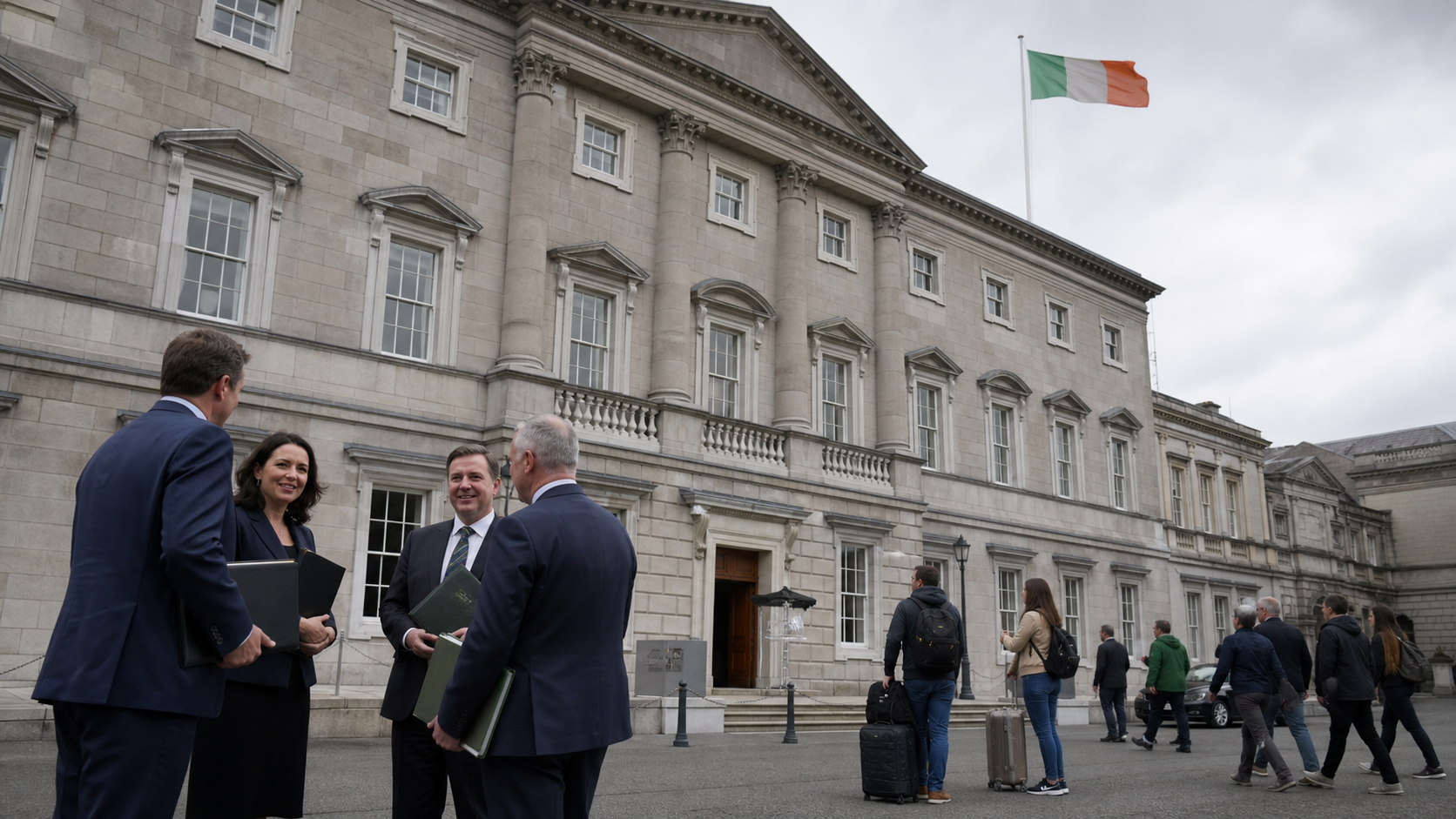
The Irish government has launched its Diaspora Strategy 2026-2030, backed by a €17.5 million Emigrant Support Programme and 23 specific commitments across five thematic areas, following the most extensive consultation process in the state's history — including the first-ever Global Irish Survey, which drew more than 10,000 responses from Irish communities across the world — in a strategy that adopts an expanded definition of the diaspora to include those with cultural rather than hereditary connections to Ireland.
Background
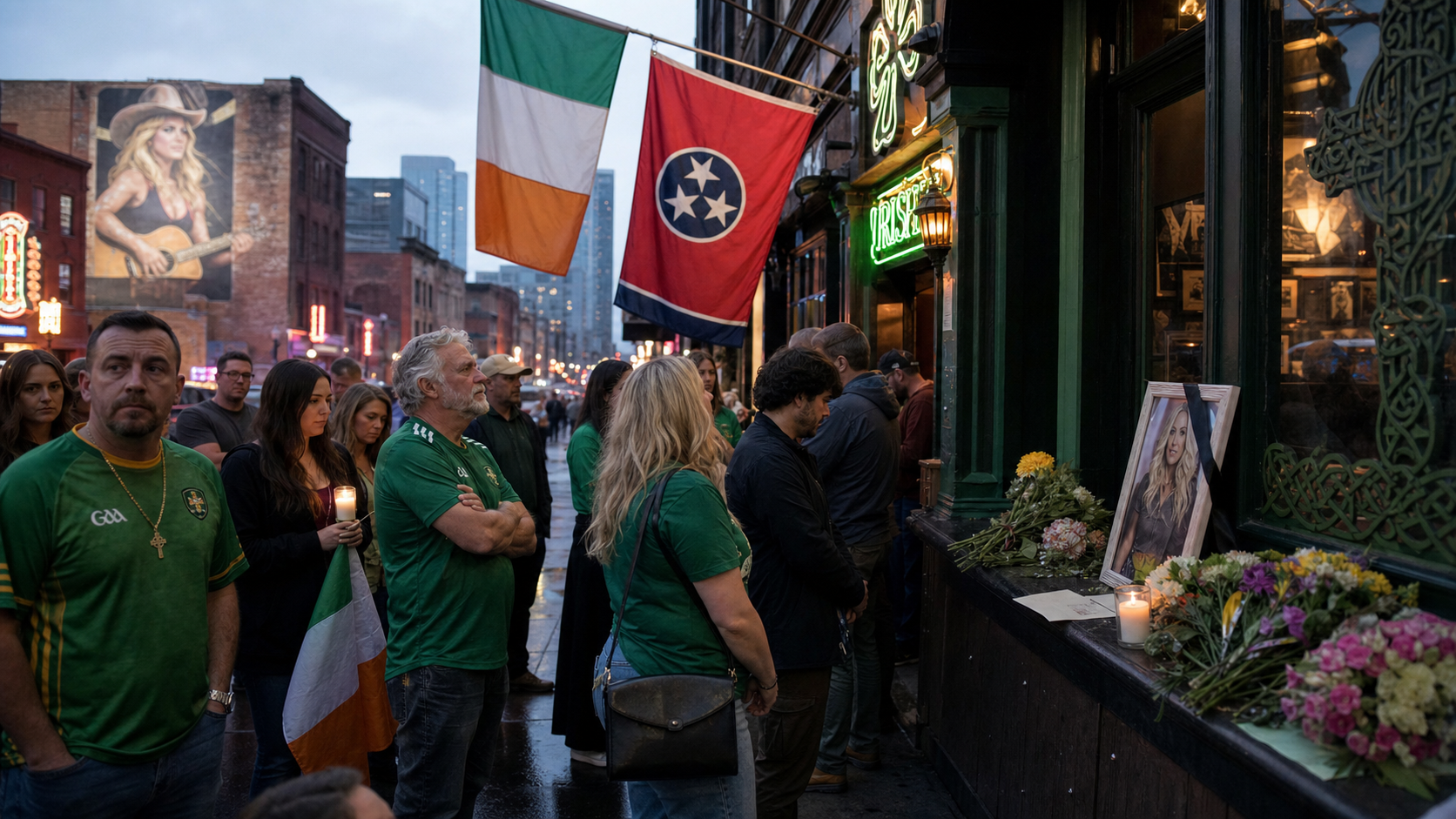
Ireland's relationship with its diaspora is one of the defining features of the country's identity and its place in the world. The Irish diaspora — estimated at 70 million people worldwide who claim Irish heritage — is one of the largest relative to population of any country on earth, a consequence of centuries of emigration driven by famine, poverty, political upheaval, and, more recently, economic cycles that have repeatedly pushed young Irish people to seek opportunities abroad.
The state's engagement with its diaspora has evolved significantly over the past three decades. The establishment of the Emigrant Support Programme in 2004 provided a formal mechanism for funding Irish community organisations abroad, and successive diaspora strategies have sought to deepen the connection between Ireland and its global community. The 2026-2030 strategy represents the most ambitious iteration of that engagement yet — a recognition that the diaspora is not merely a sentimental attachment but a strategic asset for a small country seeking to punch above its weight in global affairs.
The consultation process that preceded the strategy was genuinely unprecedented. The Global Irish Survey, conducted online, reached Irish communities in more than 50 countries and generated more than 10,000 responses — a level of engagement that reflects both the depth of feeling among the diaspora and the effectiveness of digital tools in reaching dispersed communities. The Fourth Global Irish Civic Forum, held at Croke Park in May 2026, brought together 250 representatives from 21 countries to discuss the strategy's priorities.
Key Developments
The strategy's five thematic areas — wellbeing and advocacy, identity and culture, connection and contribution, departure and return, and sharing experiences — reflect the full range of diaspora experience, from the practical challenges facing vulnerable emigrants to the cultural connections that sustain Irish identity abroad. The 23 specific commitments include measurable targets and timelines, a departure from previous strategies that were sometimes criticised for vagueness.
The €17.5 million Emigrant Support Programme allocation for 2026 maintains the primary focus on supporting the elderly and most vulnerable members of the Irish community abroad — a priority that reflects the reality that many of those who emigrated in earlier decades are now ageing in communities far from home, often without the family support networks that would be available in Ireland.
The strategy's expanded definition of the diaspora is one of its most significant innovations. By recognising an "affinity diaspora" — people who lack hereditary Irish connections but have lived, studied, or worked in Ireland and maintain a deep connection to the country — the strategy extends the reach of Irish soft power beyond traditional communities. This inclusive approach reflects a recognition that Ireland's global influence is not confined to those with Irish surnames.
Why It Matters
The diaspora strategy matters for Ireland's foreign policy, its economic relationships, and its cultural influence in ways that are sometimes underappreciated. Irish communities in the United States, the United Kingdom, Australia, and continental Europe have historically been significant advocates for Irish interests — in trade negotiations, in political lobbying, and in cultural diplomacy. A well-resourced and strategically engaged diaspora is a genuine asset for a small country navigating a complex international environment.
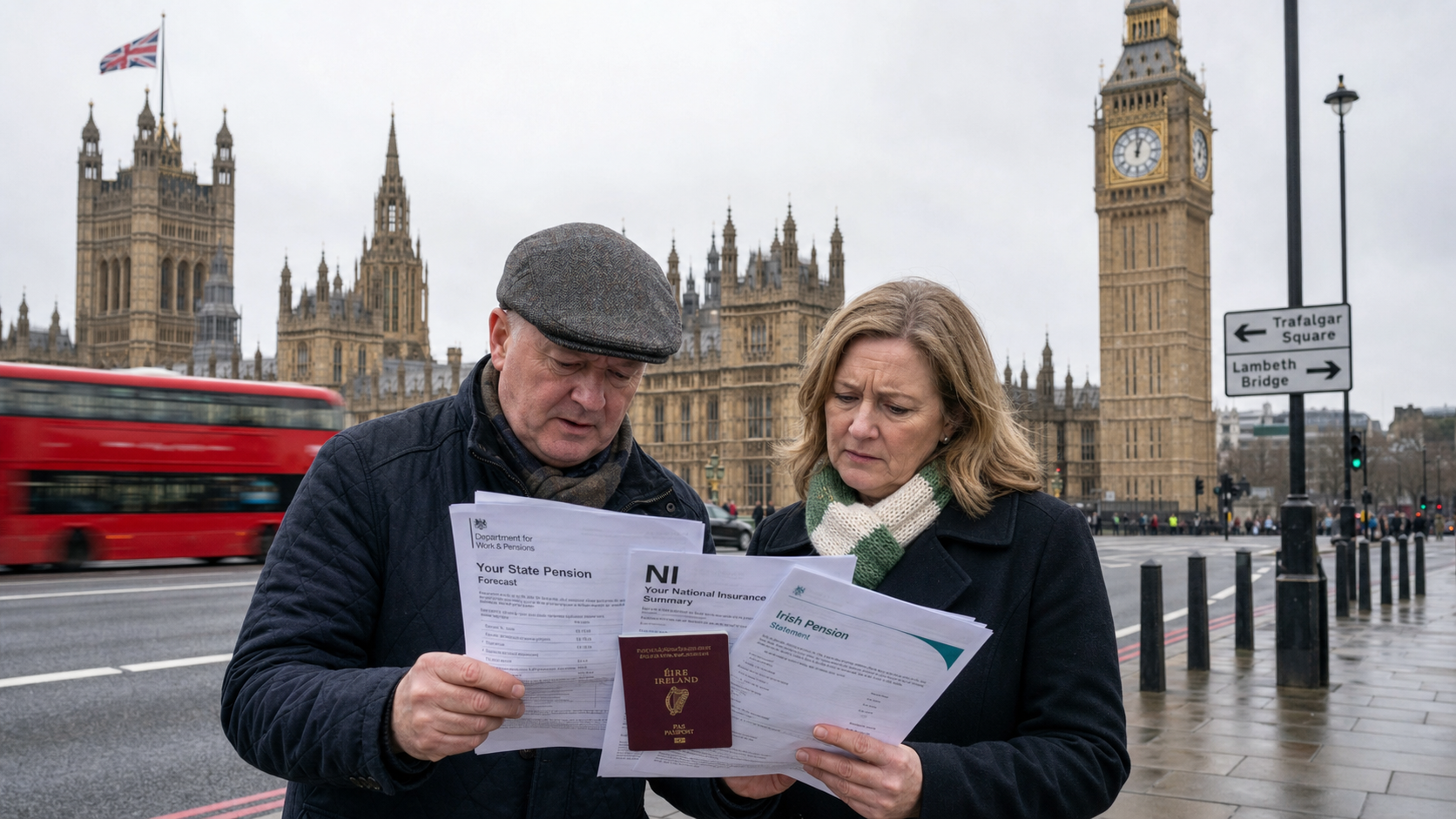
The strategy's focus on returning emigrants is particularly timely. Ireland has seen significant return migration in recent years, driven by the country's economic recovery and by the pull of family and community. But returning emigrants often face practical barriers — driving licence recognition, social welfare entitlements, PPS numbers, motor insurance — that make the transition more difficult than it should be. The strategy's commitment to addressing these barriers reflects a recognition that facilitating return is in Ireland's economic and social interest.
The shift in emigration patterns — with Australia now a leading destination, significantly ahead of the United States — also has implications for how the diaspora strategy is implemented. The Irish community in Australia is younger and more recently arrived than the established communities in the US and UK, and its needs and expectations are different. The strategy's flexibility in addressing diverse diaspora communities is one of its strengths.
Local Impact
For Irish communities abroad, the strategy's most immediate impact will be felt through the Emigrant Support Programme, which funds organisations providing practical assistance to Irish people in difficulty overseas. In London, New York, Boston, Sydney, and dozens of other cities, Irish community organisations — many of them operating on tight budgets — provide welfare services, legal advice, and social support to emigrants who might otherwise fall through the cracks of local welfare systems.
The strategy's cultural commitments — promoting Irish music, sport, and identity internationally — will be welcomed by the network of Irish cultural organisations abroad, from the Irish Arts Center in New York to the Irish Cultural Centre in London. These organisations play a crucial role in maintaining Irish cultural identity across generations, and the strategy's recognition of their importance is reflected in the funding commitments.
What's Next
The Diaspora Strategy 2026-2030 will be implemented through the Department of Foreign Affairs, with annual progress reports published to track delivery against the 23 commitments. The Emigrant Support Programme will open for applications from Irish community organisations abroad in the autumn, with grants expected to be announced before the end of 2026. The Fifth Global Irish Civic Forum is expected to be held in 2028, providing a mid-strategy review point for the diaspora community.