Irish Ferries Parent ICG to Be Taken Private in €1.21 Billion Management Buyout
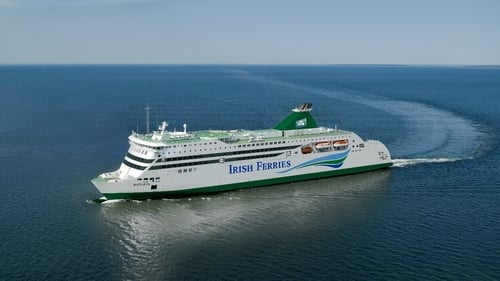
Irish Continental Group, the parent company of Irish Ferries, is to be taken private in a €1.21 billion management-led buyout by four senior executives backed by Global Infrastructure Management, with shareholders offered €8.00 per share — a 28% premium over the pre-announcement price — in a deal that will delist the company from Euronext Dublin and the London Stock Exchange after decades as a publicly traded entity.
Background
Irish Continental Group is one of Ireland's most significant transport companies, operating Irish Ferries on routes between Ireland and Britain and France, as well as a container and terminal business that handles freight across the Irish Sea. The company has been publicly listed since the 1980s and has been a fixture of the Euronext Dublin market, providing Irish investors with exposure to the ferry and freight sectors.
The management buyout is being led by four senior ICG executives: CEO Eamonn Rothwell, CFO David Ledwidge, head of the Irish Ferries division Andrew Sheen, and managing director of the container and terminal unit Declan Freeman. The four executives collectively hold approximately 23.7% of ICG's shares and will cash out approximately one-third of their holdings — totalling roughly €90 million — while rolling the remainder into the new ownership structure.
The deal is being financed through €455 million in preferred equity provided by funds managed by Global Infrastructure Management and €798 million in senior secured loans and credit facilities arranged by BNP Paribas and Banco Santander. The transaction values the company at an enterprise value of approximately €1.47 billion, implying an EV/EBITDA multiple of about 9.8 times for the 2025 financial year.
Key Developments
The independent board of ICG, led by chairman John B. McGuckian, has unanimously recommended the offer, citing full cash certainty for shareholders. The move to take the company private is driven by several factors, including a persistent gap between ICG's operating performance and its public-market valuation — partly attributed to a shift toward passive investment strategies that often overlook companies of ICG's size — and a desire for the operational flexibility that private ownership provides.
Management has argued that private ownership will allow the company to pursue long-term capital-intensive investments in its fleet and terminals without the constraints of quarterly reporting and public market volatility. The company faces ongoing challenges including fuel-cost volatility, the impact of EU Emissions Trading System and FuelEU Maritime regulations, and operational disruptions at ports such as Holyhead.
The deal marks CEO Eamonn Rothwell's second attempt to take the company private, following a failed effort during the 2008-2009 financial crisis. The company has stated there are no plans to reduce headcount or alter existing employment terms, and the headquarters will remain in Dublin.
Why It Matters
Irish Ferries is a critical piece of Ireland's connectivity infrastructure, providing essential links between the island and Britain and continental Europe for both passengers and freight. The company's transition to private ownership raises questions about the long-term governance of this infrastructure and the accountability mechanisms that will apply once it is no longer subject to the disclosure requirements of a public listing.
The involvement of Global Infrastructure Management, a major international infrastructure investor, as the primary financial backer of the buyout is significant. Infrastructure funds typically take a long-term view of their investments and are comfortable with the capital-intensive nature of the ferry and port business, but their ultimate objective is a return on their investment — which may eventually involve a sale or re-listing of the company.
Local Impact
For Irish Ferries passengers and freight customers, the immediate impact of the buyout is expected to be minimal. The company has committed to maintaining its existing routes and services, and the management team that has been running the business will remain in place. For the employees of ICG and Irish Ferries, the assurance that there are no plans to reduce headcount will be welcome, though the transition to private ownership inevitably creates some uncertainty about the longer-term direction of the business.
What's Next
The transaction is being implemented through a High Court-sanctioned scheme of arrangement and is expected to be completed in the fourth quarter of 2026, subject to shareholder approval and regulatory clearances. ICG shareholders will be asked to vote on the proposal at an extraordinary general meeting to be convened in the coming weeks. The delisting from Euronext Dublin and the London Stock Exchange will follow the completion of the transaction.