Irish Diaspora Survey Reveals €7.4 Billion Economic Opportunity as Engagement Strategy Shifts
A landmark Global Diaspora Survey conducted by the charity Ireland Reaching Out has revealed that better mobilisation of the Irish diaspora could add between €3.35 billion and €7.4 billion annually to the Irish economy through increased engagement in food exports, retail, and tourism. The survey, described as the largest of its kind ever conducted, found that the diaspora is an "active, willing community" rather than a passive audience, with significant appetite for deeper engagement with Ireland — including investment, tourism, and cultural connection — that is currently going untapped.
Background
Ireland Reaching Out, known as IrelandXO, is a charity that works to connect the Irish diaspora with their ancestral communities in Ireland, facilitating genealogical research, community connections, and cultural engagement. Its Global Diaspora Survey, which gathered responses from tens of thousands of people with Irish heritage or connections across the world, provides the most comprehensive picture yet of the diaspora's attitudes, aspirations, and potential for engagement with Ireland.
The Irish diaspora is one of the largest in the world relative to the size of the home country, with an estimated 70 to 80 million people worldwide claiming Irish heritage. The diaspora is concentrated in the United States, the United Kingdom, Australia, Canada, and Argentina, but Irish communities exist in virtually every country in the world. The relationship between Ireland and its diaspora has been a central feature of Irish foreign policy for decades, and the government's Diaspora Strategy 2026-2030, launched earlier this year by Minister of State Neale Richmond, represents the most ambitious attempt yet to systematise and deepen that relationship.
The economic potential of the diaspora has long been recognised in theory but has been difficult to quantify in practice. The IrelandXO survey provides the most detailed picture yet of the specific areas where diaspora engagement could generate economic returns for Ireland, and the figures it produces — up to €7.4 billion annually — are striking in their scale.
Key Developments
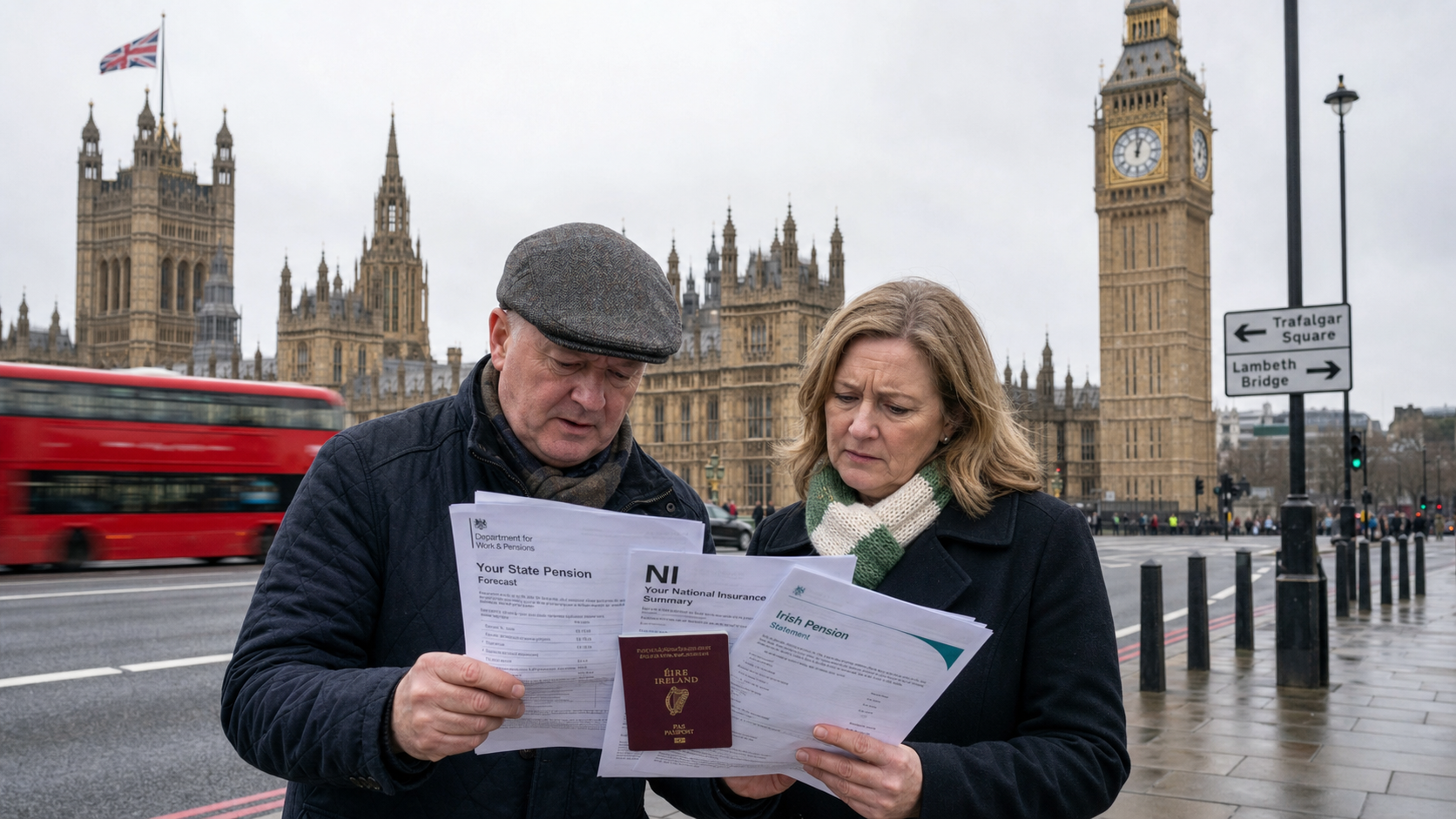
The survey's key findings include: that 51 per cent of respondents expressed a desire to hold an Irish passport, but 83 per cent currently do not, suggesting a significant untapped pool of potential citizens; that there is substantial interest among the diaspora in financial ties to Ireland, including diaspora bonds and heritage-linked crowdfunding; and that the diaspora's engagement with Irish food and drink exports, tourism, and retail could be significantly increased through targeted outreach and engagement programmes.
The survey also highlighted the changing nature of the diaspora, with Australia having emerged as a primary destination for Irish emigrants, surpassing the United States for the first time. This shift reflects broader changes in global migration patterns and the attractiveness of Australia as a destination for young Irish people seeking opportunities abroad. The government's Diaspora Strategy 2026-2030 acknowledges this shift and includes specific measures to engage with the growing Irish community in Australia.
Why It Matters
The IrelandXO survey matters because it provides a rigorous, evidence-based foundation for Ireland's diaspora engagement strategy. For too long, diaspora policy has been driven by sentiment and tradition rather than by a clear understanding of what the diaspora wants and what it can contribute. The survey's finding that the diaspora is an "active, willing community" with significant appetite for deeper engagement is an important corrective to the assumption that diaspora engagement is primarily about nostalgia and heritage tourism. The economic opportunity identified by the survey — up to €7.4 billion annually — is substantial, and realising even a fraction of it would represent a significant contribution to the Irish economy. The challenge for the government is to translate the survey's findings into concrete policies and programmes that can unlock this potential.
Local Impact
The survey's findings have implications for communities across Ireland, particularly those in rural and regional areas that have experienced significant emigration over the past century. The IrelandXO model of connecting diaspora members with their ancestral communities has already demonstrated its potential in counties such as Mayo, Galway, and Donegal, where diaspora engagement has contributed to tourism, investment, and cultural renewal. The government's Diaspora Strategy 2026-2030 includes specific measures to support this kind of community-level engagement, and the survey's findings provide a strong evidence base for the investment required. The Emigrant Support Programme, which has provided over €265 million to more than 900 organisations across 53 countries since 2004, will continue to be a central element of the government's diaspora engagement strategy.
What's Next
The IrelandXO survey will be published in full in the coming weeks, providing a detailed breakdown of the findings by country, age group, and type of diaspora connection. The government is expected to use the survey's findings to inform the implementation of the Diaspora Strategy 2026-2030, with specific programmes and initiatives to be announced in the autumn. Minister of State Neale Richmond has indicated that he will convene a diaspora forum in the autumn to discuss the survey's findings and to develop concrete proposals for deepening diaspora engagement. The forum will bring together representatives of diaspora organisations from across the world, alongside government officials, business leaders, and cultural figures.