Ireland's Diaspora Strategy Hits First Milestone as €17.5 Million Reaches Irish Communities Worldwide
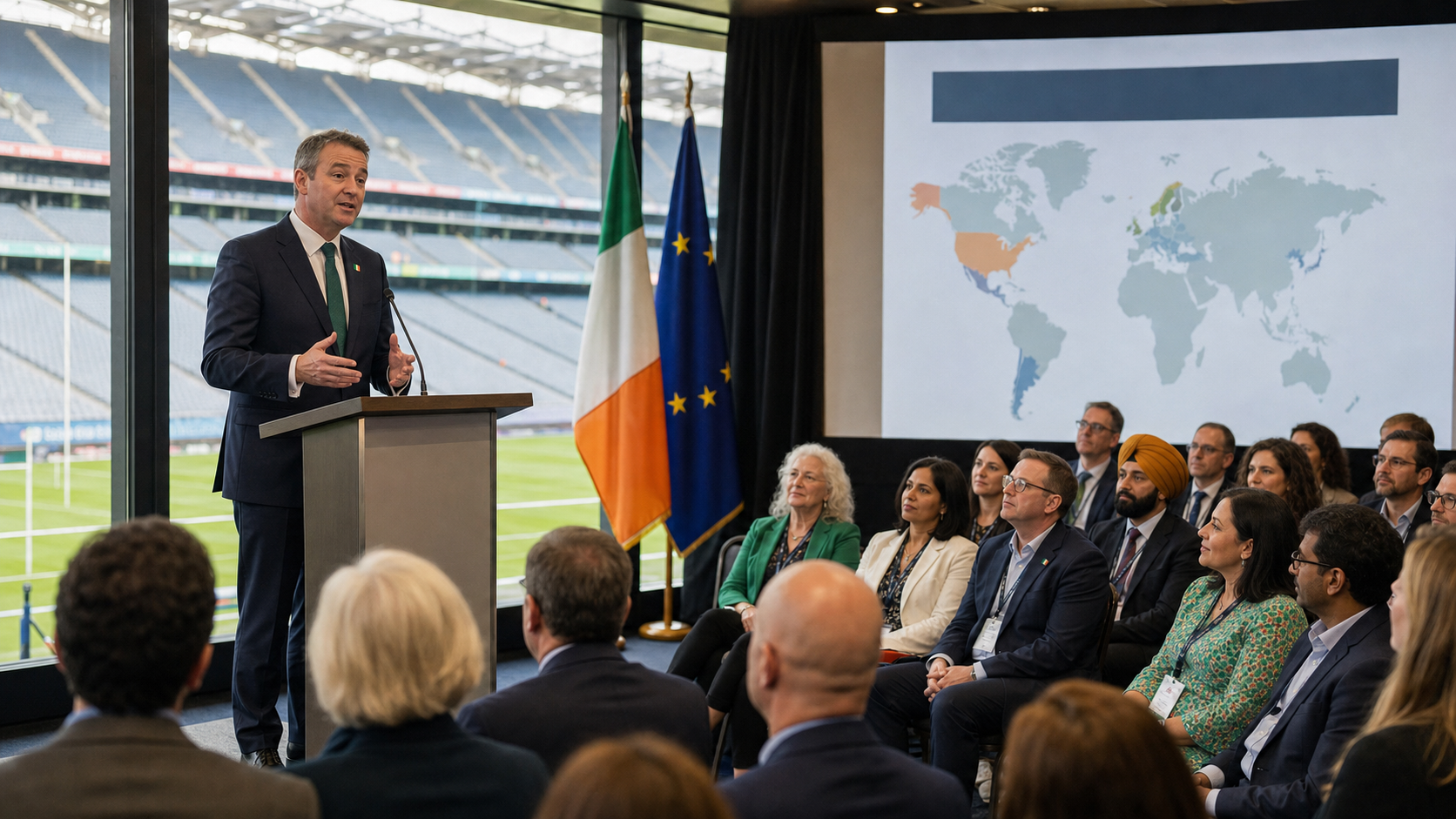
Ireland's Diaspora Strategy 2026-2030, launched at the Fourth Global Irish Civic Forum at Croke Park in May, has reached its first significant milestone with the distribution of €17.5 million through the Emigrant Support Programme to Irish communities in 21 countries. The strategy, developed following the most comprehensive consultation process in the state's history — including a Global Irish Survey that garnered over 10,000 responses — outlines 23 commitments across five thematic areas: wellbeing and advocacy, identity and culture, connection and contribution, departure and return, and sharing experiences. The strategy reflects a significant shift in how Ireland engages with its diaspora, with Australia now overtaking the United States as the primary destination for Irish emigrants.
Background
Ireland's relationship with its diaspora is one of the defining features of the country's national identity. With an estimated 70 million people worldwide claiming Irish heritage — compared to a population of just five million on the island of Ireland — the diaspora represents a resource of extraordinary scale and diversity. The challenge for successive Irish governments has been to develop a coherent strategy for engaging with this dispersed community in a way that is mutually beneficial — supporting Irish communities abroad while also leveraging the diaspora's networks, expertise, and goodwill in the service of Ireland's economic and diplomatic interests.
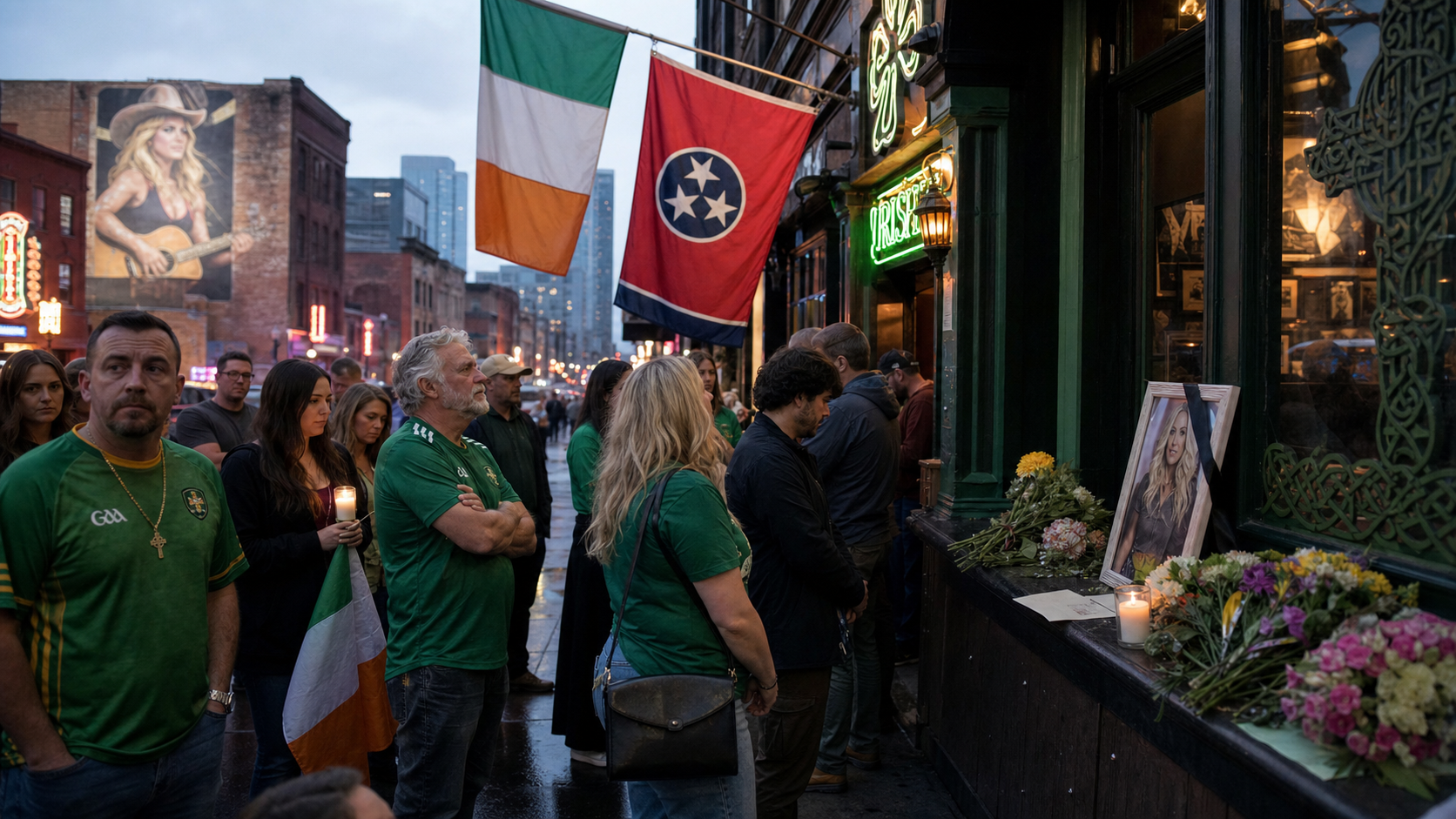
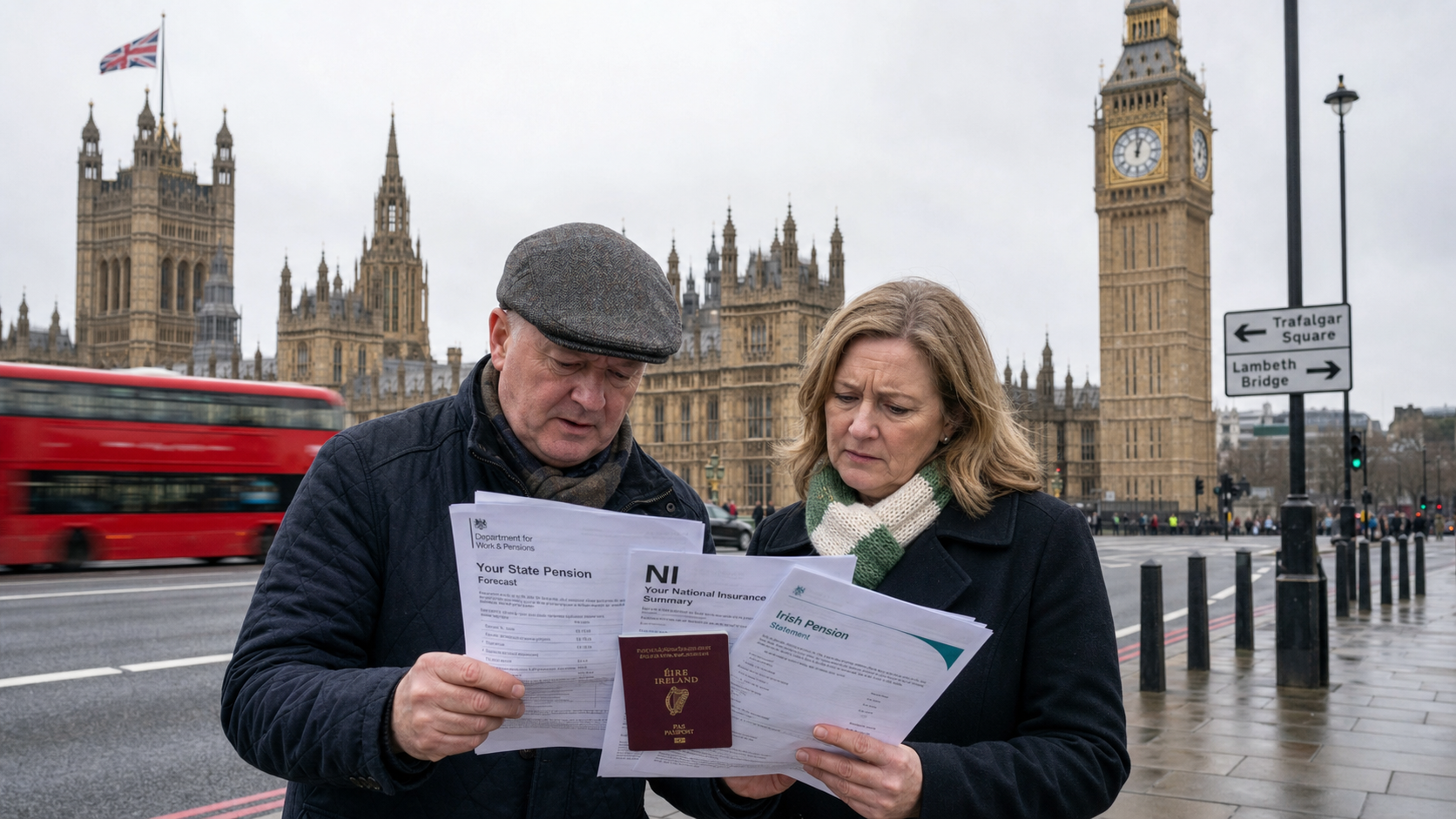
The Emigrant Support Programme, which has been the primary vehicle for state support to Irish communities abroad since its establishment in 2004, has distributed hundreds of millions of euros to Irish organisations in the United Kingdom, the United States, Australia, and other countries over the past two decades. The programme has focused primarily on supporting the most vulnerable members of the diaspora — elderly Irish emigrants who may have left Ireland in difficult circumstances and who may face isolation, poverty, or health challenges in their adopted countries.
The 2026-2030 strategy represents a significant evolution of this approach. While the commitment to supporting vulnerable emigrants remains central, the strategy also reflects a recognition that the Irish diaspora has changed dramatically in recent decades. The emigrants of the 1950s and 1980s — who left Ireland in difficult economic circumstances and often had limited education and resources — are very different from the emigrants of the 2010s and 2020s, who are typically well-educated, mobile, and connected to Ireland through digital technology in ways that were unimaginable to earlier generations.
Key Developments
The €17.5 million distributed through the Emigrant Support Programme in 2026 represents a record allocation, reflecting the government's commitment to the diaspora strategy's wellbeing and advocacy pillar. The funding has been distributed to Irish organisations in 21 countries, with the largest allocations going to the United Kingdom, the United States, and Australia — the three countries with the largest Irish-born populations. Organisations supported include Irish community centres, welfare organisations, cultural bodies, and sporting clubs.
The strategy's shift in focus towards Australia reflects the changing geography of Irish emigration. Australia has overtaken the United States as the primary destination for Irish emigrants in recent years, driven by the country's strong economy, its demand for skilled workers, and the relative ease of obtaining working visas. The Irish government has responded by increasing its diplomatic and consular presence in Australia and by developing new programmes to support Irish communities in cities including Sydney, Melbourne, Brisbane, and Perth.
The strategy also reflects a commitment to inclusivity that goes beyond the traditional definition of the Irish diaspora. The government is actively working to represent the stories of the Irish LGBTQI+ diaspora, to support members of the diaspora with multi-ethnic backgrounds, and to engage with the "affinity diaspora" — individuals who have lived, worked, or studied in Ireland and maintain a deep connection to the country despite lacking hereditary Irish ties.
Why It Matters
The diaspora strategy matters because the Irish diaspora is one of Ireland's most significant assets — a network of people with Irish connections spread across every continent, with the potential to support Ireland's economic, diplomatic, and cultural interests in ways that no other resource can replicate. The strategy's 23 commitments represent a systematic attempt to activate that potential, moving beyond the traditional focus on welfare support to embrace a broader vision of what the diaspora can contribute to Ireland and what Ireland can offer in return.
The strategy also matters because it reflects a more honest and inclusive understanding of what it means to be Irish. The recognition of the LGBTQI+ diaspora, the multi-heritage diaspora, and the affinity diaspora signals a willingness to move beyond narrow, ethnically defined notions of Irishness towards a more open and welcoming conception of Irish identity — one that is better suited to the realities of a diverse, globalised world.
Local Impact
In Ireland, the diaspora strategy has implications for communities across the country. The strategy's commitment to facilitating the return of emigrants — by reducing administrative barriers around driving licences, social welfare, PPS numbers, and motor insurance — is particularly relevant for rural communities that have experienced significant emigration and that stand to benefit from the return of skilled, experienced individuals. The government estimates that approximately 30,000 Irish citizens return to Ireland each year, and improving the experience of return is a priority across multiple government departments.
What's Next
The government will publish a detailed Action Plan for the implementation of the 23 commitments in the coming months, setting out specific targets, timelines, and responsible departments for each commitment. The Emigrant Support Programme will continue to distribute funding to Irish organisations abroad on an annual basis, with the 2027 allocation expected to be announced in the October budget. The Fifth Global Irish Civic Forum is expected to take place in 2028, providing an opportunity to review progress on the strategy's commitments and to engage with diaspora representatives from around the world.