Irish Diaspora Strategy 2026-2030 Launched as Australia Overtakes US as Top Emigrant Destination
The Irish government has launched its third diaspora strategy, covering 2026 to 2030, as new data confirms that Australia has overtaken the United States as the primary destination for Irish emigrants — a shift that reflects both the changing geography of the Irish diaspora and the impact of US immigration policy under the Trump administration on the choices available to young Irish people seeking to build lives abroad.
Background
Ireland has one of the most extensive and well-organised diaspora networks in the world. The legacy of centuries of emigration — driven by famine, poverty, political conflict, and economic necessity — has created Irish communities in virtually every country on earth, and the Irish government has long recognised the diaspora as a strategic asset: a network of goodwill, cultural connection, and economic influence that extends far beyond the island's modest size and population.
The first Irish diaspora strategy was published in 2015, and the second in 2020. Both strategies focused primarily on the traditional Irish diaspora — communities in the United States, Britain, Australia, and Canada with deep historical roots in Irish emigration — and on the Emigrant Support Programme, which provides funding to organisations supporting vulnerable Irish people abroad. The 2026-2030 strategy represents a significant evolution of this approach, reflecting the changing nature of the diaspora and the government's ambition to engage with a much broader and more diverse global Irish community.
The most striking finding of the consultation process that preceded the strategy — which included the first-ever online Global Irish Survey, attracting more than 10,000 responses — was the extent to which the traditional narrative of the Irish diaspora is being disrupted by changing emigration patterns. Australia has now overtaken the United States as the primary destination for Irish emigrants, with approximately 13,500 individuals moving to Australia in the year to April 2025, compared to 6,100 to the United States. The Middle East, various EU nations, and Canada have also seen strong growth in Irish communities.
Key Developments
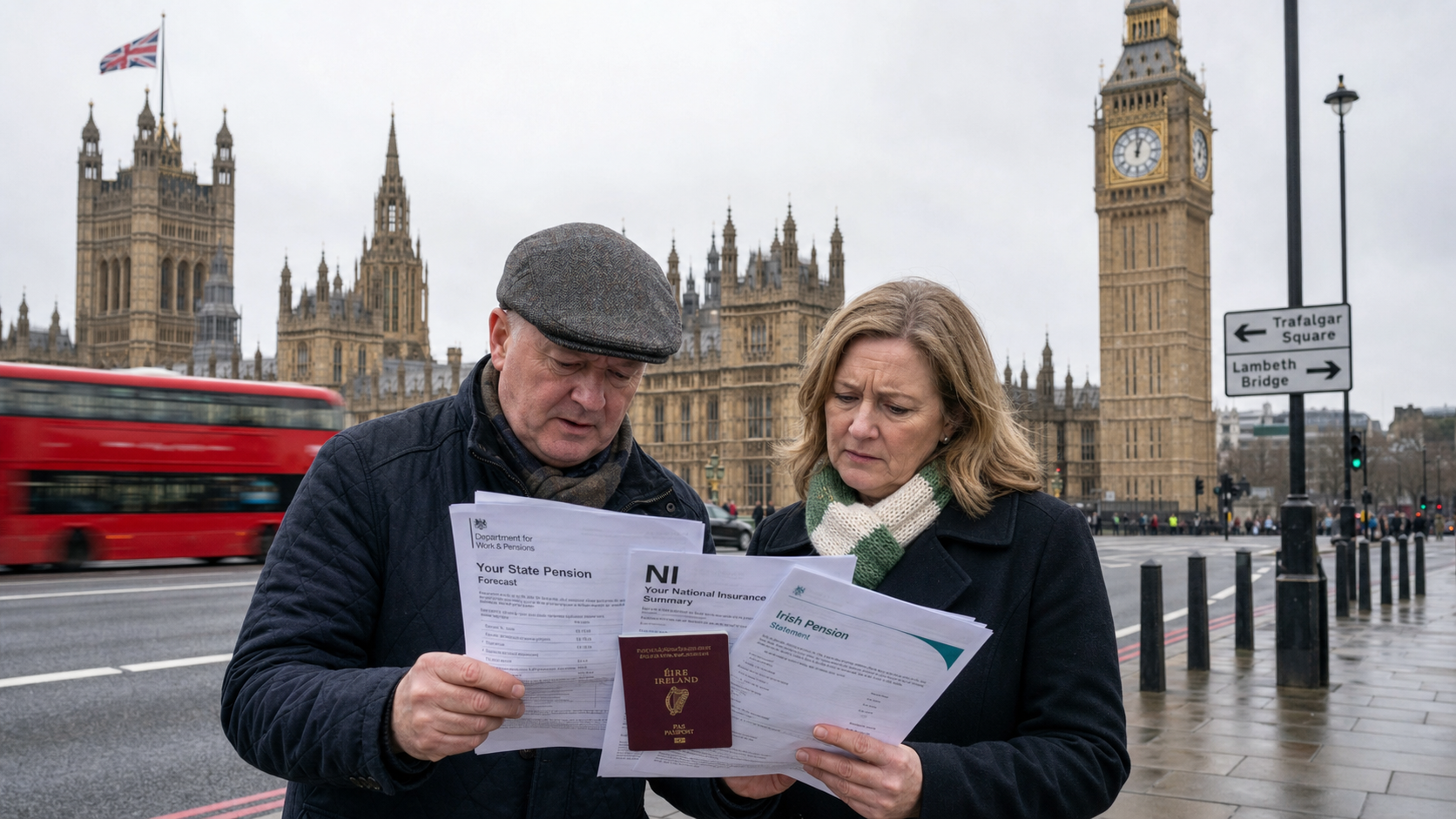
The 2026-2030 strategy is built on 23 commitments across five key areas: wellbeing and advocacy, identity and culture, connection and contribution, departure and return, and sharing experiences. The Emigrant Support Programme, which has been the cornerstone of the government's diaspora engagement for two decades, has been allocated €17.5 million for 2026 — a significant increase on previous years — to support the most vulnerable members of the overseas Irish community, including elderly Irish people in Britain who are at risk of social isolation and poverty.
The strategy also introduces the concept of the "affinity diaspora" — individuals who may not have hereditary links to Ireland but who have a deep connection through work, study, or cultural appreciation. This is a significant conceptual shift, reflecting the government's recognition that the Irish diaspora is no longer defined solely by blood or ancestry but by a broader sense of cultural affinity and connection. The strategy commits to developing programmes that engage with this affinity diaspora, including through Irish language learning, cultural events, and business networking.
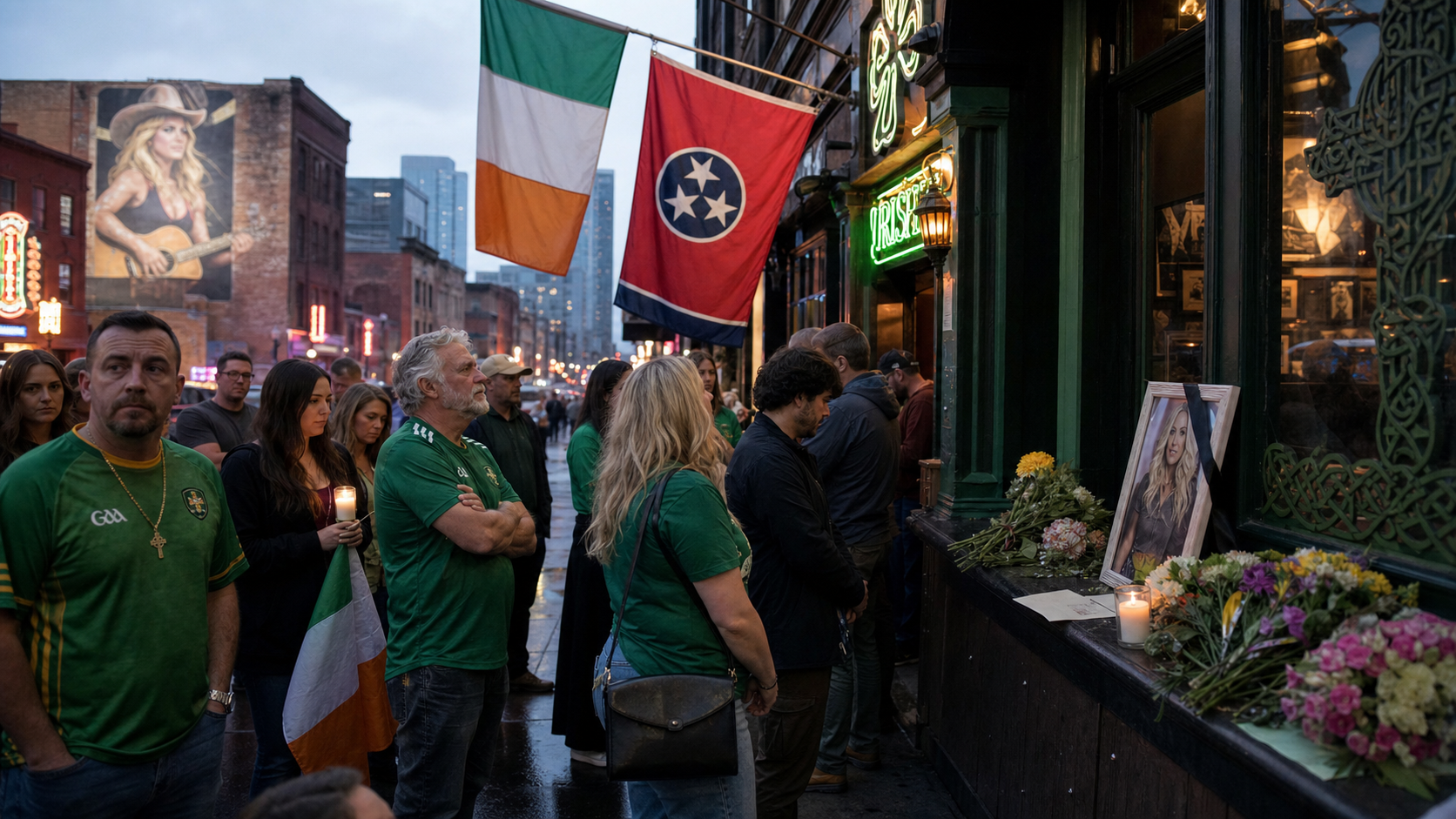
Minister of State for the Diaspora Colm Brophy, speaking at the launch, described the strategy as "the most ambitious and comprehensive engagement with the global Irish community that any Irish government has undertaken." He acknowledged that the shift in emigration patterns — particularly the decline in Irish emigration to the United States — reflects the impact of US immigration policy, and committed to continuing to press the US government on the issue of undocumented Irish people in America.
Why It Matters
The Irish diaspora is not just a sentimental concept — it is a strategic resource of enormous potential value. Irish communities abroad are a source of investment, trade connections, political influence, and cultural soft power that the Irish government has historically been relatively effective at leveraging. The new strategy's ambition to engage with a broader and more diverse diaspora — including the affinity diaspora and multi-heritage communities — reflects a sophisticated understanding of how that resource can be expanded and deepened.
The shift in emigration patterns is also significant in its own right. The decline in Irish emigration to the United States — driven by the Trump administration's immigration enforcement actions and the uncertainty they have created for potential emigrants — represents a genuine change in the geography of the Irish diaspora that will have long-term consequences for the relationship between Ireland and America. The government's decision to address this directly in the strategy, rather than treating it as a temporary aberration, suggests a realistic assessment of the likely trajectory of US immigration policy.
Local Impact
The strategy's commitment to supporting the most vulnerable members of the diaspora is particularly relevant for the large Irish communities in Britain, where many elderly Irish people — particularly those who emigrated during the 1950s and 1960s — are at risk of poverty, social isolation, and inadequate access to health and social care. Organisations like the Irish in Britain and the Federation of Irish Societies have welcomed the increased funding for the Emigrant Support Programme, while noting that the needs of this community are growing as the population ages.
What's Next
The strategy will be implemented over the period 2026 to 2030, with annual progress reports published by the Department of Foreign Affairs. The first progress report is due in spring 2027. The Global Irish Network — a group of senior Irish business and cultural figures based abroad — will play a central role in the strategy's implementation, and the government has indicated that it will convene a Global Irish Forum in Dublin in 2027 to bring together diaspora representatives from around the world to review progress and identify new priorities.