Irish Diaspora Could Contribute €7.4 Billion Annually to Economy if Properly Engaged, Survey Finds
A landmark global survey by the charity Ireland Reaching Out has found that the Irish diaspora represents a massive and largely untapped economic asset, with the potential to contribute between €3.35 billion and €7.4 billion annually to the Irish economy through tourism, retail, food, drink, and investment — if the government and Irish businesses develop the engagement strategies needed to convert diaspora sentiment into economic activity.
Background
Ireland Reaching Out, known as IrelandXO, is a charity established to help members of the Irish diaspora connect with their ancestral parishes and communities in Ireland. The organisation operates a network of local volunteers across Ireland who assist diaspora members in researching their family history, visiting ancestral locations, and building connections with the communities their ancestors left behind. It is one of the most innovative and effective diaspora engagement organisations in the world, and its work has been recognised by the Irish government as a model for how to build meaningful connections with the global Irish community.
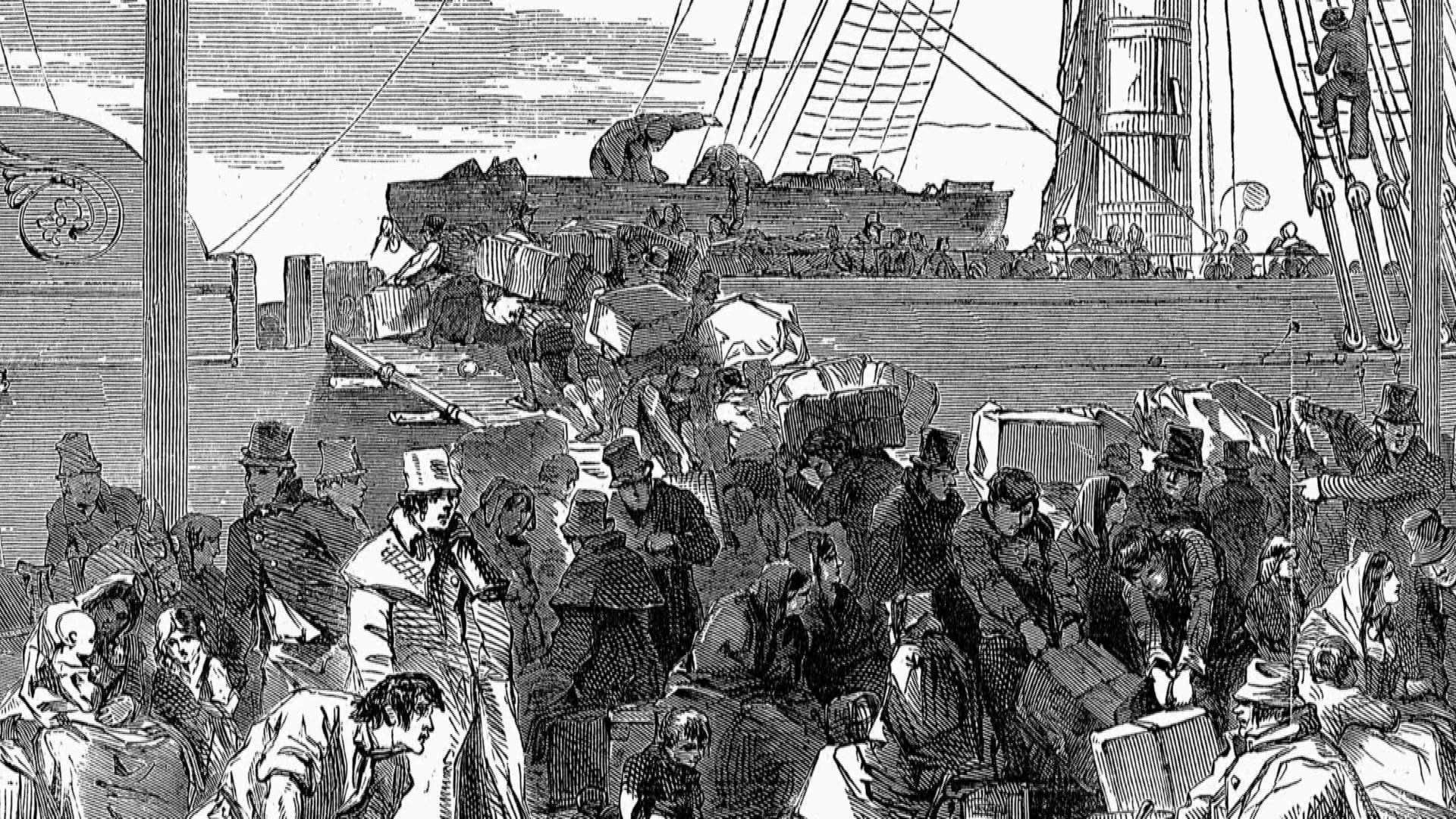
The Irish diaspora is one of the largest in the world relative to the size of the home country. Approximately 32 million people in the United States claim Irish ancestry, with significant diaspora communities also in Great Britain, Australia, Canada, Argentina, and across Europe. The government's Diaspora Strategy 2026-2030, launched in May 2026, represents the most ambitious attempt yet to develop a coherent and comprehensive approach to engaging this global community — moving beyond the traditional focus on heritage tourism to encompass economic partnership, cultural exchange, and civic engagement.
The IrelandXO survey, conducted in 2026 with 2,709 diaspora members from across the world, provides the most detailed picture yet of the diaspora's attitudes, interests, and potential economic contribution. The findings are striking in their scale and in the specificity of the opportunities they identify.
Key Developments
The survey found that 81% of diaspora members expressed a desire to connect online with others of Irish ancestry, and 66% showed interest in purchasing Irish products — figures that suggest a substantial and largely untapped market for Irish goods and services among the global diaspora. The potential annual economic contribution of €3.35 billion to €7.4 billion encompasses tourism spending, retail purchases of Irish products, and investment in Irish businesses and communities.
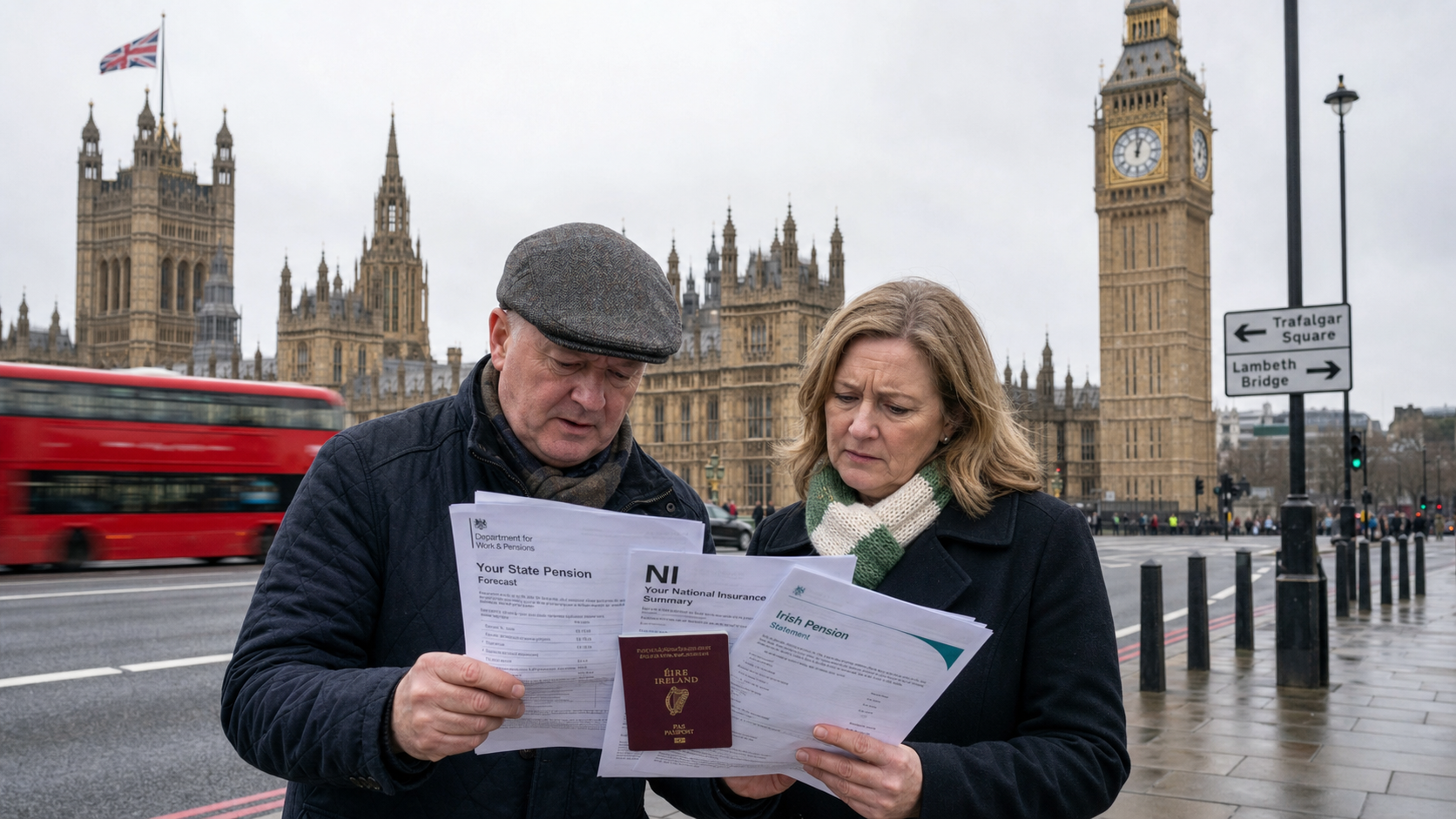
The survey also found that 51% of diaspora members expressed a desire to hold an Irish passport, despite 83% currently lacking one — a finding that highlights the potential for administrative reform to deepen the formal connection between the diaspora and the Irish state. The barriers to return identified by diaspora members include the high cost of living, housing shortages, and administrative hurdles such as the recognition of foreign qualifications and the exchange of driving licences.
Why It Matters
The IrelandXO survey provides a compelling economic case for investing in diaspora engagement — a case that goes beyond the sentimental and cultural arguments that have traditionally dominated the conversation about the Irish abroad. If the diaspora's potential economic contribution is even a fraction of the upper estimate of €7.4 billion annually, the return on investment from diaspora engagement programmes would be enormous. The challenge is to develop the practical mechanisms — digital platforms, product promotion, investment facilitation, and return support — that can convert diaspora sentiment into economic activity.
The finding that 51% of diaspora members want an Irish passport but 83% lack one is particularly significant. Irish citizenship through the foreign birth register is available to the grandchildren of Irish citizens, and the process — while not simple — is well-established. The gap between desire and action suggests that there are barriers — awareness, administrative complexity, cost — that could be addressed through targeted outreach and process simplification.
Local Impact
For Irish communities across the country, the diaspora represents a potential source of tourism, investment, and cultural connection that is currently underutilised. The genealogy tourism sector — which brings diaspora members to Ireland to research their family history and visit ancestral locations — is already one of the fastest-growing segments of Irish tourism, but the IrelandXO survey suggests that the potential is far greater than current activity levels indicate. For rural communities in particular, where the ancestral connections of the diaspora are often strongest, diaspora engagement could be a significant driver of economic activity and community renewal.
What's Next
The Irish government's Diaspora Strategy 2026-2030 sets out 23 specific commitments for engaging the global Irish community, organised around five pillars: wellbeing and advocacy, identity and culture, connection and contribution, departure and return, and sharing experiences. The IrelandXO survey findings are expected to inform the implementation of that strategy, with particular attention to the economic engagement opportunities identified. Minister of State for International Development and Diaspora Neale Richmond is expected to engage with the survey findings in the coming weeks, with a view to developing specific programmes to realise the diaspora's economic potential.