Irish Community in Bordeaux Rallies Around Wildfire Evacuees as Largest Blaze in French History Rages
The Irish diaspora in and around Bordeaux is living through an extraordinary crisis as the largest wildfires in France's modern history force the evacuation of more than 250,000 people from the Gironde region, with fires approaching within 15 kilometres of the city itself. Members of the Irish community — including Derry native Alistair Burke, who was forced to evacuate his home on the Cap Ferret peninsula, and Belfast native Frank Jackson, who runs The Connemara pub in Bordeaux — have described an 'unbelievable' level of solidarity within the diaspora, with many Irish residents volunteering to house families displaced by the evacuations. The fires have also caused severe air quality problems across the city, with atmospheric scientists reporting PM2.5 concentrations far exceeding World Health Organisation safety thresholds.
Background
The Gironde region of southwestern France has been devastated by wildfires that French authorities have described as the most severe since World War II. The fires, which are being driven by a combination of extreme heat, drought conditions, and strong winds, have consumed tens of thousands of hectares of forest and have forced the evacuation of communities across a wide area of the region. The scale of the disaster has prompted French President Emmanuel Macron to call a crisis meeting of the French Cabinet, and has attracted international attention and offers of assistance from across Europe.
Bordeaux, the regional capital and one of France's most celebrated cities, has become a refuge for thousands of people fleeing the fires. The city itself is not under direct threat from the flames, but the proximity of the fires — and the thick smoke that has blanketed the city — has created a deeply unsettling atmosphere for residents, including the substantial Irish community that has made Bordeaux its home over the years.
The Irish community in Bordeaux is well established, drawn to the city by its wine industry, its universities, its quality of life, and its relatively affordable cost of living compared to Paris. Many Irish people have lived in the region for decades, building businesses, raising families, and putting down deep roots in the local community. The wildfire crisis has tested that community in ways that few could have anticipated.
Key Developments
Alistair Burke, a Derry native who has lived on the Cap Ferret peninsula for many years, was among those forced to evacuate when the fires approached his home. Speaking to The Irish Times, he described the intensity of the blaze as a 'vortex', noting that the fires are 'pyrocumulonimbus' — a type of fire-generated thunderstorm capable of self-perpetuation — and that the situation remains uncontained. Burke's evacuation was a dramatic and frightening experience, and his account of the fires' ferocity has given Irish readers a vivid sense of the scale of the disaster.
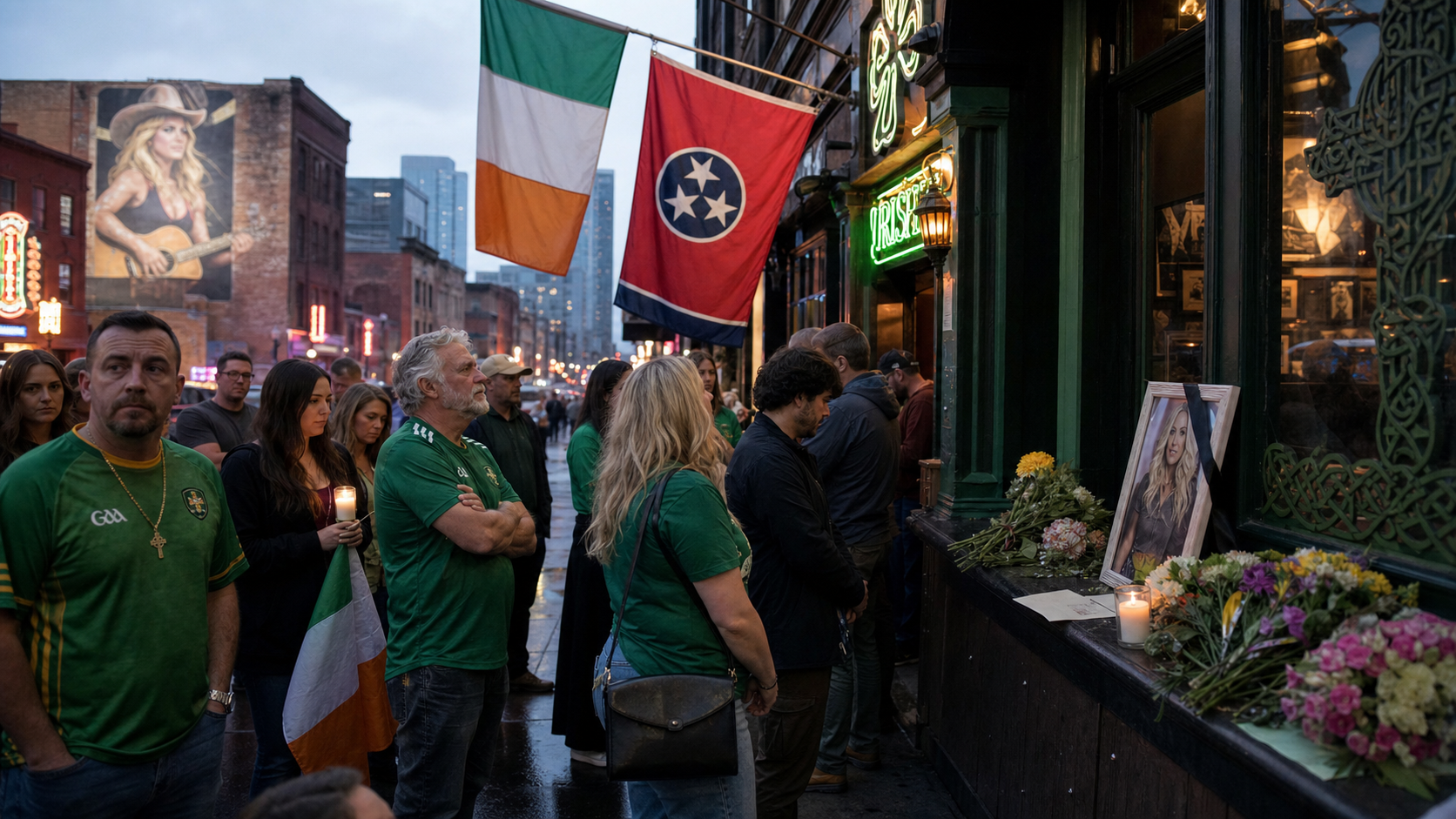
Frank Jackson, a Belfast native who runs The Connemara pub in Bordeaux, offered a different perspective from within the city itself. While the city centre is not under direct threat from the flames, Jackson noted that the primary danger for residents is the inhalation of toxic smoke particles rather than the fires themselves. He described an 'unbelievable' level of solidarity within the Irish community, with many residents volunteering to house families who had been forced to evacuate their homes. Jackson also warned of a 'big financial, economic disaster' due to the loss of a full tourism season — a concern that will resonate with the many Irish people who have built businesses in the Bordeaux wine and tourism industries.
Atmospheric scientists have reported that PM2.5 concentrations in Bordeaux have spiked to levels significantly higher than World Health Organisation safety thresholds, creating serious health risks for residents, particularly those with respiratory conditions. Many Irish residents have adopted measures including staying indoors with window shutters closed and wearing face masks when venturing outside.
Why It Matters
The Bordeaux wildfire crisis is a reminder of the vulnerability of the Irish diaspora to the consequences of climate change, which is making extreme weather events — including wildfires, floods, and heatwaves — more frequent and more severe across Europe. Irish people living in southern France, Spain, Portugal, and other parts of southern Europe are increasingly exposed to the kind of climate-related disasters that were once rare but are now becoming a regular feature of the European summer.
The response of the Irish community in Bordeaux — the solidarity, the mutual support, the willingness to open homes to strangers — is a heartening demonstration of the values that Irish emigrants carry with them wherever they go. The Irish diaspora has a long tradition of community solidarity in times of crisis, and the Bordeaux response is a contemporary expression of that tradition.
The economic consequences of the fires for the Bordeaux wine and tourism industries — in which many Irish people have invested their livelihoods — are also significant. The loss of a full tourism season, combined with potential damage to vineyards and the disruption of the harvest, could have lasting financial consequences for Irish businesses in the region.
Local Impact
The impact of the Bordeaux wildfires is being felt by Irish families across the country, many of whom have relatives or friends living in the affected region. The Irish Embassy in Paris has been in contact with Irish citizens in the Gironde region, providing consular assistance and information about available support. The Department of Foreign Affairs has advised Irish citizens in the affected area to follow the instructions of French authorities and to register with the Embassy if they require assistance. Several Irish families have already returned to Ireland temporarily while the crisis continues.
What's Next
The wildfire situation in the Gironde region remains fluid, with French authorities working to contain the fires and to support the hundreds of thousands of people who have been displaced. The Irish community in Bordeaux is expected to continue its solidarity efforts in the coming days and weeks, supporting both evacuees and the local authorities working to manage the crisis. The Department of Foreign Affairs has indicated that it will continue to monitor the situation and to provide consular assistance to Irish citizens in the affected area as needed.