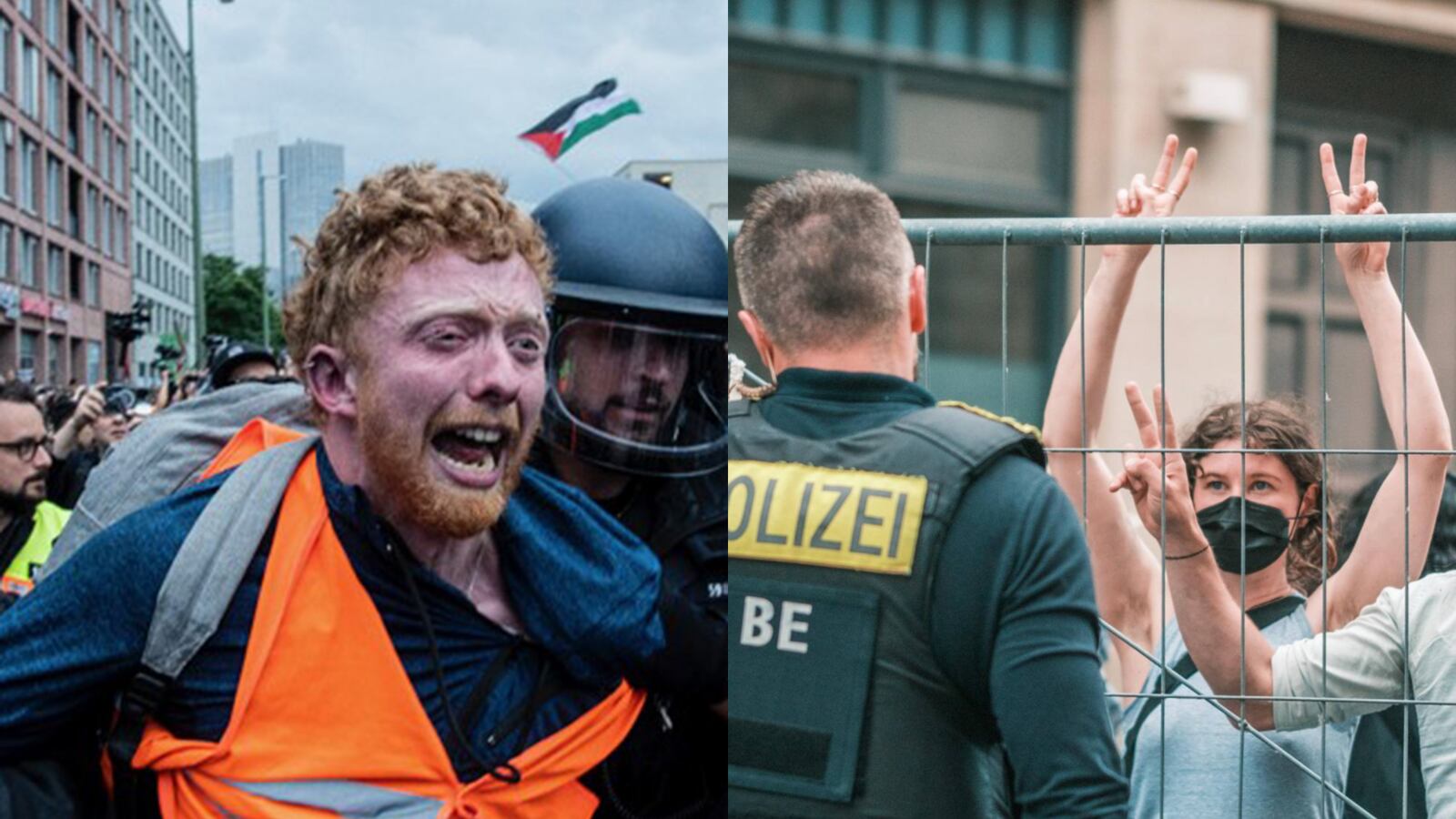
Irish Activist Faces Five-Year Jail Term in Germany After Weapons Company Protest as Government Urged to Intervene
An Irish activist faces up to five years in a German prison after being charged with attacking a weapons manufacturing company during a protest against arms exports, with Irish civil society organisations calling on the government to use diplomatic channels to press for a fair trial and proportionate sentencing — and with the case drawing international attention to the treatment of anti-war protesters across Europe at a time of heightened geopolitical tension.
Background
The case involves an Irish national who participated in a protest at a weapons manufacturing facility in Germany, during which damage was caused to the company's property. The activist, whose identity has been reported in Irish media, was arrested by German authorities and charged with offences that carry a maximum sentence of five years' imprisonment under German law. The charges relate to the physical damage caused during the protest rather than to any threat to persons.
The protest was part of a broader campaign by anti-war activists across Europe who have been targeting weapons manufacturers in response to the ongoing conflicts in Ukraine and Gaza. The campaign has drawn on a tradition of direct action that has a long history in the peace movement, and its participants argue that the manufacture and export of weapons to conflict zones makes companies and their governments complicit in the deaths of civilians.
Germany, as one of Europe's largest arms exporters, has been a particular focus of anti-war activism. The German government has significantly increased its defence spending and arms exports in recent years, a policy shift that has been welcomed by NATO allies but criticised by peace campaigners who argue that it is fuelling rather than resolving the conflicts in which those weapons are being used.
Key Developments
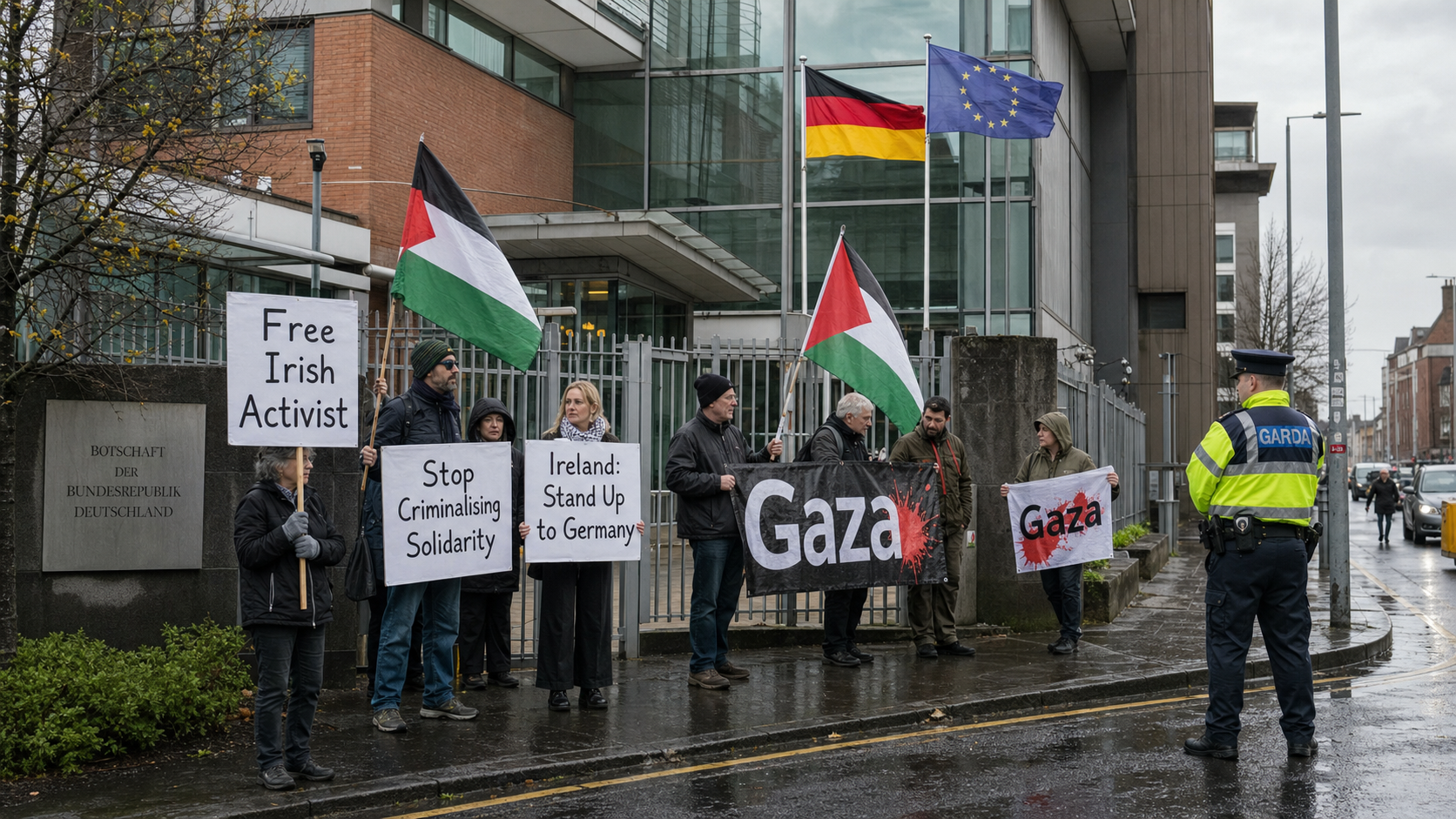
The Irish activist's case has attracted attention in Ireland following coverage in the Irish Examiner and other outlets, with civil society organisations including the Irish Campaign for Nuclear Disarmament and Afri calling on the government to engage with German authorities to ensure that the activist receives a fair trial and that any sentence is proportionate to the offence. The organisations have argued that the prosecution of peaceful protesters — even those who engage in property damage — raises serious questions about the right to protest and the criminalisation of dissent in democratic societies.
The Department of Foreign Affairs has confirmed that it is aware of the case and that consular support has been provided to the Irish national concerned. However, the department has stopped short of making any public statement about the appropriateness of the charges or the potential sentence, citing the principle of non-interference in the judicial processes of a friendly state.
The case has also been raised in the Dáil, with several TDs from Sinn Féin, the Social Democrats, and People Before Profit calling on the Minister for Foreign Affairs to take a more active role in advocating for the activist's rights. The minister has indicated that the government will continue to monitor the situation and to provide consular support, but has declined to comment on the merits of the case.
Why It Matters
The case raises important questions about the rights of Irish citizens who engage in political activism abroad and about the government's obligations to advocate for those citizens when they face prosecution. Ireland has a strong tradition of neutrality and of engagement with international peace and disarmament movements, and the government's response to this case will be watched closely by those who believe that Ireland should be more vocal in defending the rights of anti-war activists across Europe. The broader context — a Europe in which defence spending is rising rapidly and in which the political space for anti-war activism is narrowing — makes the case all the more significant. The treatment of protesters who target weapons manufacturers is a test of the commitment of democratic governments to the right to dissent, even when that dissent takes forms that are uncomfortable or inconvenient.
Local Impact
The activist's family and supporters in Ireland have been vocal in calling for government intervention, and their campaign has attracted support from a range of civil society organisations, trade unions, and political parties. A solidarity rally is being planned in Dublin in the coming weeks, with organisers hoping to draw attention to the case and to build pressure on the government to take a more active role. The Irish Council for Civil Liberties has indicated that it is monitoring the case closely and may provide legal support to the activist's defence team if requested.
What's Next
The trial is expected to take place in Germany in the autumn of 2026, with a verdict and sentencing expected before the end of the year. The activist's legal team has indicated that they will mount a robust defence, arguing that the protest was a legitimate exercise of the right to freedom of expression and assembly and that the charges are disproportionate to the actions taken. The Irish government has been urged to raise the case at the next bilateral meeting between the Irish and German foreign ministers, which is expected to take place on the margins of an EU Council meeting in September. A petition calling for the charges to be dropped has gathered several thousand signatures in Ireland and internationally.