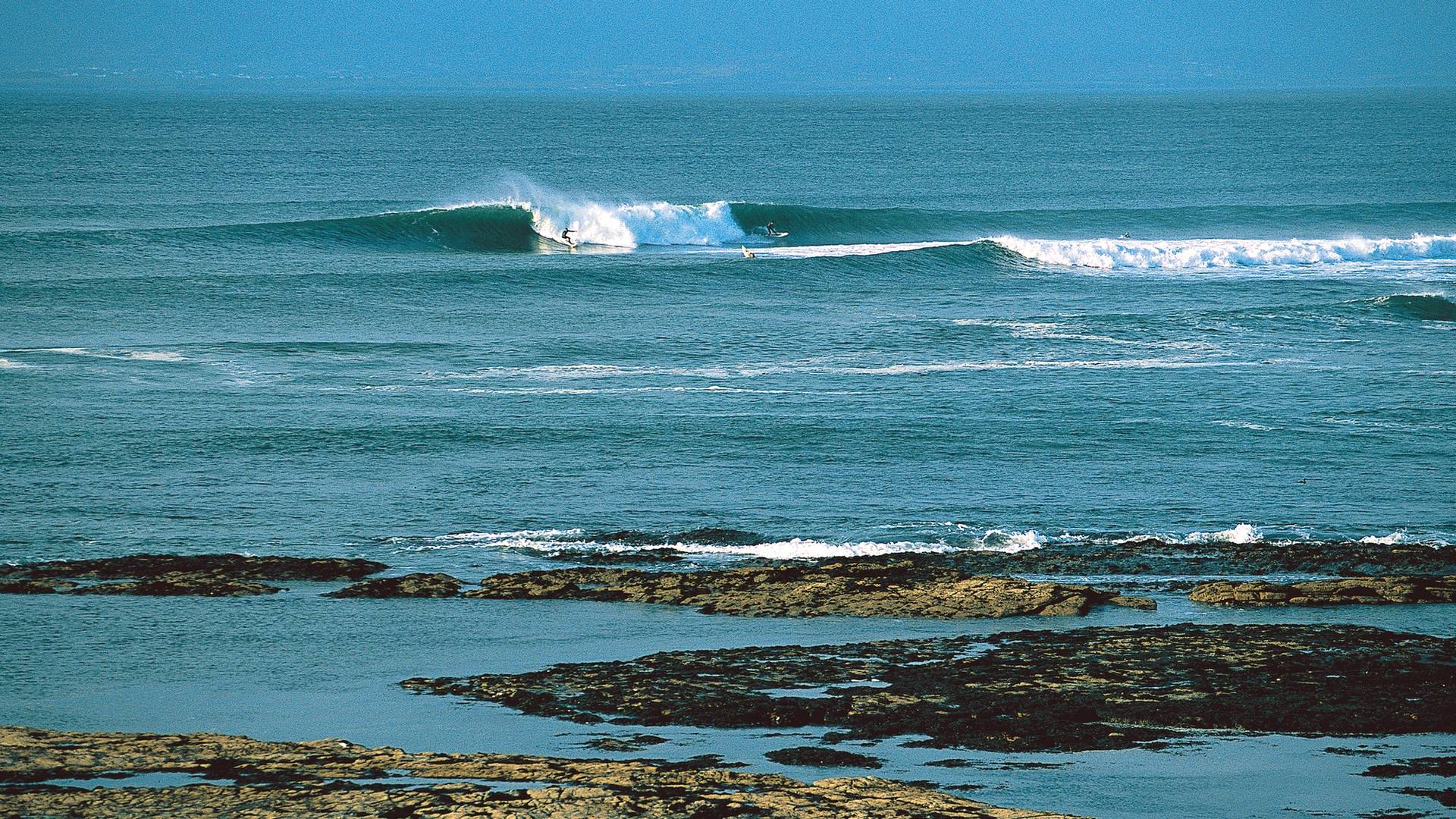
Ireland's West Coast Surf Culture Offers Healing and Community to Thousands as Donegal and Sligo Thrive
From the world-class reef breaks of Bundoran to the gentle rollers of Rossnowlagh and the wild swells of Mullaghmore, Ireland's northwest coastline has become the beating heart of a surf culture that is transforming lives, building communities, and drawing visitors from across the globe — and this summer, the movement is stronger than ever.
Background
Surfing arrived on Ireland's west coast in the 1960s, carried by a handful of adventurous souls who recognised that the Atlantic swells battering Donegal and Sligo were among the most consistent and powerful in Europe. For decades, the sport remained a niche pursuit, practised by a small community of dedicated enthusiasts who guarded their breaks with quiet pride. The transformation into a mainstream cultural force has been gradual but unmistakable.
Bundoran, in south Donegal, is now widely regarded as the surfing capital of Ireland. The town's famous break, known as The Peak, is a world-class reef wave that has hosted international competitions and attracted professional surfers from across the globe. Tullan Strand, just north of the town, offers more forgiving conditions for beginners, and a cluster of surf schools has grown up around both spots to cater to the growing demand. Rossnowlagh, further north along the Donegal coast, provides an endless sandy beach with gentle, regular waves that have made it a favourite for families and those learning the sport.
In Sligo, Strandhill has emerged as a hub of surf culture, its friendly village atmosphere and varied waves drawing a loyal local following. Easkey, with its consistent limestone reef breaks, attracts intermediate and advanced surfers seeking a more challenging experience, while Enniscrone offers excellent conditions for beginners and families. The community that has grown up around these spots is characterised by a generosity of spirit that is increasingly rare in popular outdoor pursuits.
Key Developments
This summer has seen record numbers of people taking to the water along the northwest coast, with surf schools reporting waiting lists for lessons and local clubs welcoming new members at an unprecedented rate. The trend reflects a broader shift in how Irish people are engaging with the outdoors following several years of heightened awareness around mental health and the therapeutic benefits of cold-water swimming and surfing.
Community surf programmes have been particularly impactful. Several clubs in Donegal and Sligo have developed outreach initiatives targeting young people from disadvantaged backgrounds, offering subsidised lessons and equipment hire to ensure that the sport is accessible regardless of income. Participants in these programmes have spoken movingly about the confidence and sense of belonging that surfing has given them.
The economic impact on the northwest has also been significant. Surf tourism now generates millions of euros annually for coastal communities in Donegal and Sligo, supporting accommodation providers, restaurants, equipment shops, and transport operators. The sector has proven remarkably resilient, continuing to grow even during periods of broader economic uncertainty.
Why It Matters
The growth of surf culture on Ireland's northwest coast matters for reasons that extend well beyond sport. In a region that has historically struggled with emigration, economic underperformance, and a sense of peripheral neglect, surfing has become a source of genuine pride and identity. Young people who might once have felt that there was little to keep them in Donegal or Sligo are finding community, purpose, and even career opportunities in the surf industry. This is the third consecutive summer in which surf school bookings in the northwest have exceeded pre-pandemic levels, and the trajectory shows no sign of reversing. Unlike many rural economic initiatives that depend on government subsidy, the surf economy is largely self-sustaining, driven by genuine demand from both domestic and international visitors. The contrast with the Republic's urban-focused economic development model is striking — here is a thriving industry built on natural assets, community spirit, and a willingness to embrace what makes the northwest unique.
Local Impact
In Bundoran, the surf industry now supports dozens of full-time jobs and many more seasonal positions, providing a vital economic anchor for a town that has reinvented itself around its natural assets. In Strandhill, the surf club has become a focal point for community life, hosting social events, fundraisers, and youth programmes that extend well beyond the water. Families from Sligo town, Ballymote, and Tubbercurry are making regular trips to the coast, with surfing becoming a shared family activity that crosses generational lines. For newcomers to Ireland — including many who have settled in the northwest in recent years — the surf community has provided a welcoming point of entry into Irish social life, with the shared experience of battling Atlantic waves proving a remarkably effective icebreaker.
What's Next
The Irish Surfing Association is expected to announce its national competition calendar for the autumn season in the coming weeks, with events planned at several northwest venues. Surf Ireland, the governing body, is also in discussions with Fáilte Ireland about a dedicated surf tourism promotion campaign targeting the UK and European markets. Several surf schools in Donegal and Sligo are planning to extend their seasons into October and November, capitalising on the growing interest in autumn and winter surfing among more experienced participants.