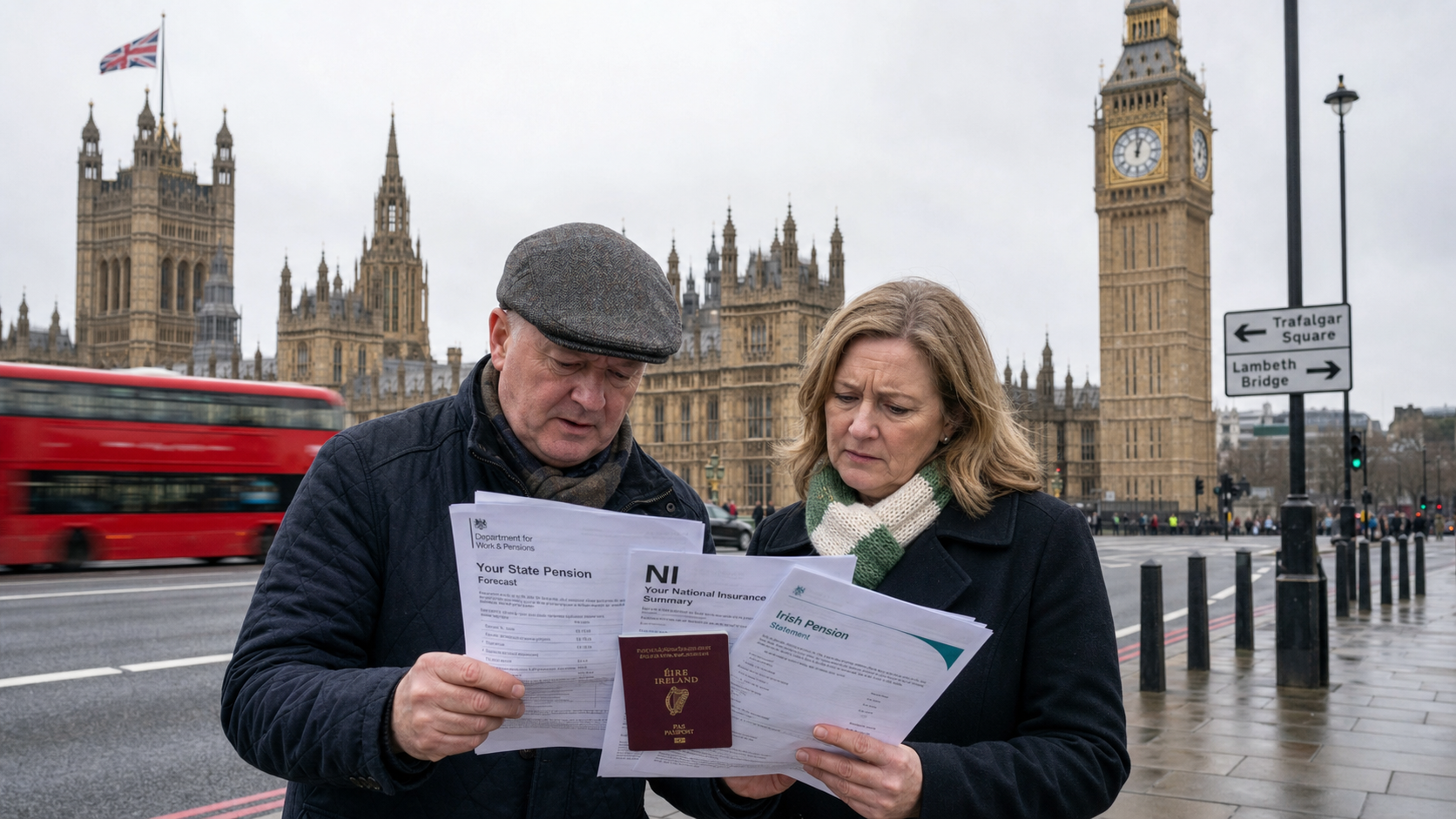
Ireland's Emigrants Are Coming Home — and They're Bringing the World With Them
The pattern of Irish emigration has shifted fundamentally in the 21st century, with new analysis revealing that more than half of those who leave Ireland now return within a decade — bringing with them international experience, diverse skillsets, and innovative perspectives that are increasingly valued by Irish employers and that are reshaping the country's workforce in ways that would have been unimaginable to the emigrants of previous generations who left with little expectation of return.
Background
Emigration has been a defining feature of Irish life for centuries, from the mass departures of the Famine era to the economic migrations of the 1950s and 1980s and the more recent waves of young people who left during the financial crisis of the 2010s. For much of that history, emigration was understood as a one-way journey — a departure from a country that could not provide sufficient opportunities for its people, with little prospect of return. The Irish diaspora that resulted from those departures is one of the largest in the world relative to the size of the home population, with an estimated 70 million people of Irish heritage living outside the island.
But the pattern of emigration has changed significantly in recent decades. Ireland's economic transformation — from one of the poorest countries in Western Europe to one of the wealthiest — has created a labour market that can absorb returning emigrants and offer them opportunities that were not available to their predecessors. The result is a new model of Irish emigration that is increasingly circular rather than linear: young people leave after graduation, spend a period abroad gaining experience and skills, and then return to Ireland in their early 30s to build their careers and families.
Data from the 2022 Census indicated that 9% of the Irish-born population living in Ireland were returned emigrants — a figure that implies an overall return rate exceeding 50% for those currently living abroad. In the year leading up to April 2023, approximately 29,600 Irish citizens returned to the country, a figure that reflects the sustained attractiveness of Ireland as a place to live and work for those who have experienced life elsewhere.
Key Developments
The Irish Times analysis, published on 10 August 2026, highlights several significant trends in the changing pattern of Irish emigration. Australia has emerged as the primary destination for Irish emigrants, surpassing the United States, with approximately 13,500 people moving there in the year leading up to April 2025, compared to 6,100 to the US. The UK remains a major destination, attracting 15,200 Irish emigrants in 2024, though Australia is narrowing the gap. The UAE and parts of the European Union are also growing in importance as destinations for Irish emigrants.
The skills and experience that returning emigrants bring back to Ireland are increasingly recognised as a strategic asset. Returnees typically possess third-level qualifications — 60% of returning emigrants hold a degree or higher — and the international experience they have gained gives them perspectives and capabilities that are valued by employers across a range of sectors, from technology and finance to healthcare and the creative industries. Irish employers are increasingly developing specific programmes to attract and integrate returning emigrants, recognising that the "brain gain" from return migration can be a significant competitive advantage.
The government's Diaspora Strategy 2026-2030, launched in May 2026, sets out 23 commitments to deepen engagement with the global Irish community, with a particular focus on wellbeing support, cultural identity, and leveraging diaspora expertise for trade and investment. The strategy acknowledges the shifting demographics of the diaspora — including the growing importance of Australia and the EU as destinations — and commits to a more inclusive approach that recognises the diversity of the global Irish community.
Why It Matters
The shift in the pattern of Irish emigration from a one-way departure to a circular journey has profound implications for how Ireland thinks about its relationship with its diaspora. The traditional model — in which emigrants were mourned as a loss to the country and the diaspora was maintained through cultural organisations and occasional visits home — is being replaced by a more dynamic model in which the movement of people between Ireland and the rest of the world is seen as a source of strength rather than a sign of weakness.
The economic benefits of return migration are significant. Returning emigrants bring skills, experience, and international networks that can drive innovation and growth in the Irish economy. They also bring a perspective on Ireland that is shaped by their experience of other countries — a perspective that can challenge assumptions and drive change in ways that are difficult to achieve from within. The challenge for Ireland is to create the conditions — in terms of housing, childcare, and quality of life — that make return migration an attractive option for those who have built successful lives abroad.
Local Impact
The impact of return migration is felt across Ireland, but it is most visible in the major urban centres — Dublin, Cork, Galway, and Limerick — where the majority of returning emigrants settle. The housing market in these cities has been significantly affected by the demand from returning emigrants, who often arrive with savings accumulated abroad and a willingness to pay premium prices for properties in desirable locations. The childcare sector has also been affected, with returning emigrants — many of whom are in their early 30s and starting families — adding to the demand for childcare places that is already outstripping supply in many parts of the country. Local enterprise offices and chambers of commerce have developed specific programmes to support returning emigrants in establishing businesses or finding employment, recognising the economic potential of this cohort.
What's Next
The government's Diaspora Strategy 2026-2030 will be implemented over the coming years, with progress reports expected annually. The Department of Foreign Affairs has indicated that it will develop specific measures to support returning emigrants, including improved information services and targeted support for those facing challenges in reintegrating into Irish life. The Irish Abroad Unit, which manages the Emigrant Support Programme, is expected to expand its activities in the coming years, with a particular focus on supporting Irish communities in Australia and the EU. The next census, scheduled for 2027, will provide updated data on the scale and pattern of return migration, and its findings will inform the government's approach to diaspora engagement in the years ahead.