Ireland's New Diaspora Strategy Commits €17.5 Million to Support Irish Communities Abroad as Emigration Patterns Shift
Ireland's third Diaspora Strategy, covering the period 2026 to 2030, commits €17.5 million to the Emigrant Support Programme and outlines 23 specific commitments across five thematic pillars designed to strengthen the State's relationship with its global community, following the most extensive consultation process in the history of Irish diaspora engagement and a formal recognition that the nature of Irish emigration — and the definition of what it means to be Irish abroad — has changed fundamentally in recent decades.
Background
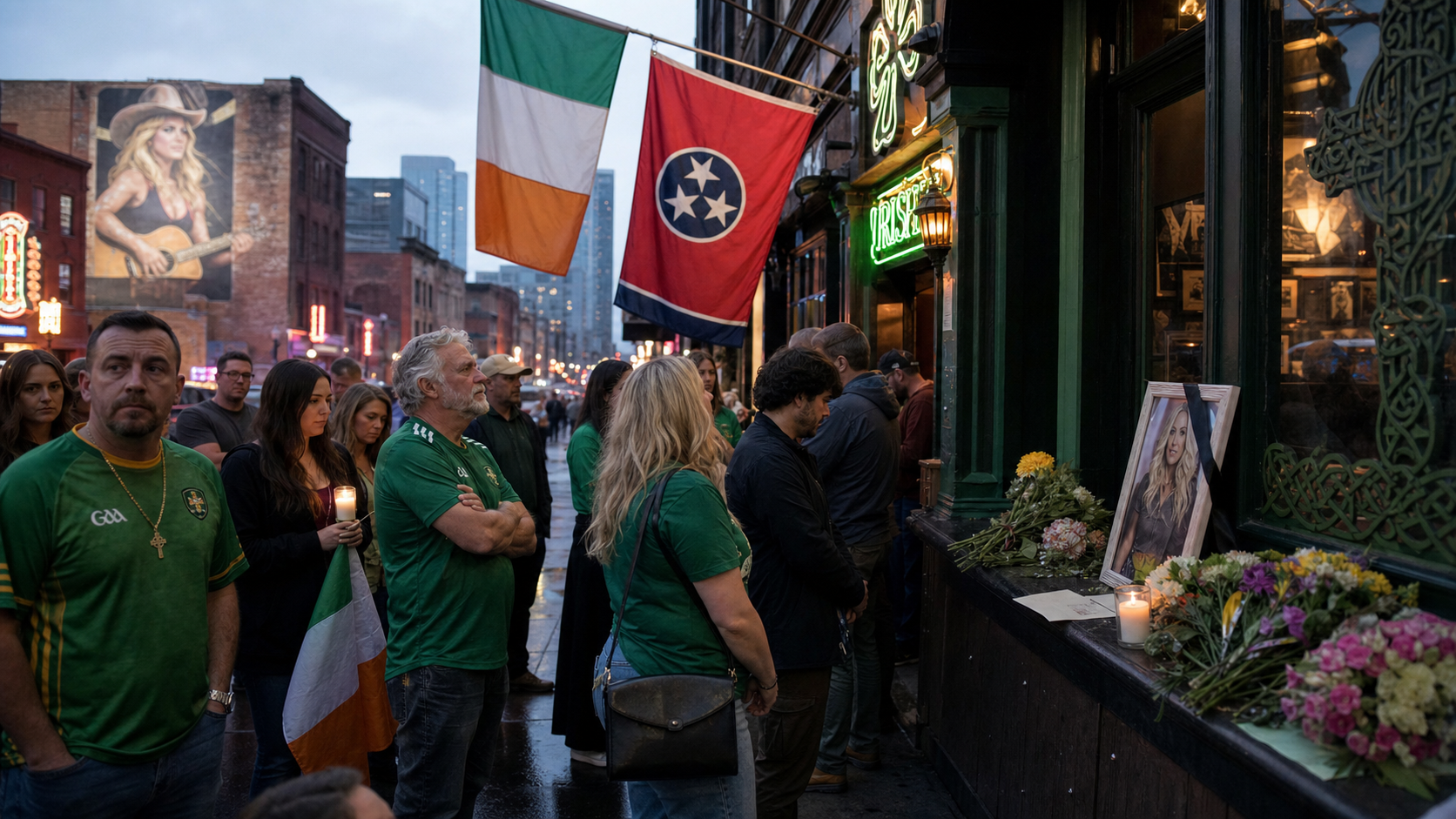
Ireland's relationship with its diaspora is one of the defining features of the country's national identity and its international presence. The Irish diaspora — estimated at 70 million people worldwide who claim Irish heritage — is one of the largest in the world relative to the size of the home population, a legacy of centuries of emigration driven by famine, poverty, political conflict, and, more recently, economic opportunity and personal choice. The State's engagement with this diaspora has evolved significantly over the past three decades, from a relatively passive acknowledgement of the Irish abroad to an active strategy of engagement, support, and partnership.
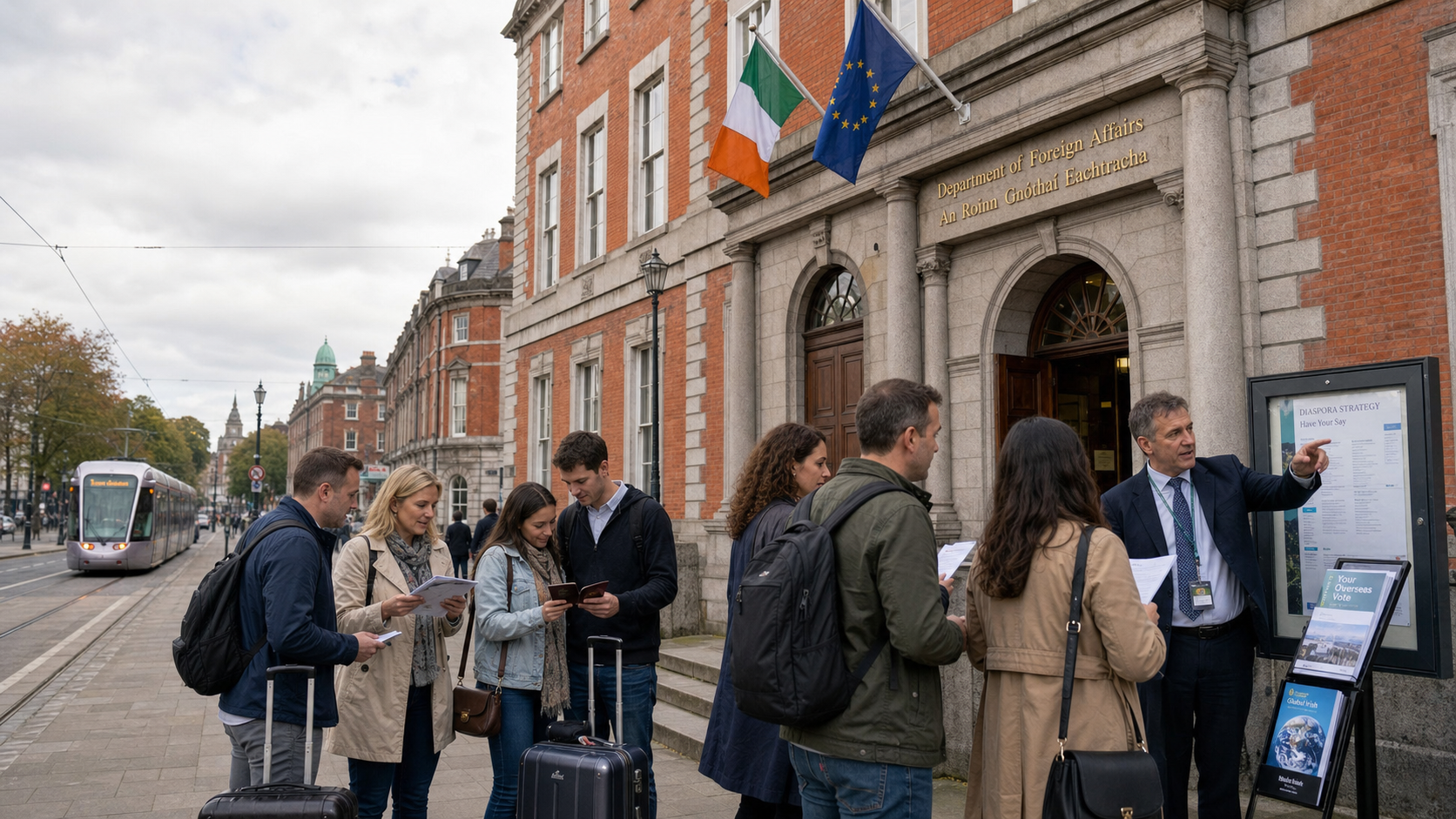
The first Diaspora Strategy was published in 2015, followed by a second in 2020. The third strategy, covering 2026 to 2030, was developed following the most extensive consultation process ever undertaken by the Irish government in this area, including over 27 in-person meetings worldwide and the first-ever online Global Irish Survey, which garnered more than 10,000 responses. The strategy was launched at the Fourth Global Irish Civic Forum at Croke Park in May 2026, which brought together 250 representatives from 21 countries.
The strategy is championed by Minister of State for International Development and Diaspora Neale Richmond, who has described it as an attempt to move beyond traditional, heritage-based definitions of the diaspora to include younger generations, diverse global communities, and the "affinity diaspora" — people who have lived, worked, or studied in Ireland but lack hereditary ties to the country.
Key Developments
The strategy's 23 commitments are organised into five thematic pillars. The Wellbeing and Advocacy pillar maintains a "people-centred" approach, with the €17.5 million allocation to the Emigrant Support Programme in 2026 ensuring continued assistance for the elderly and most vulnerable members of Irish communities overseas — a priority that reflects the reality that many of those who emigrated in earlier decades are now ageing and may face particular challenges in accessing health and social care services in their countries of residence.
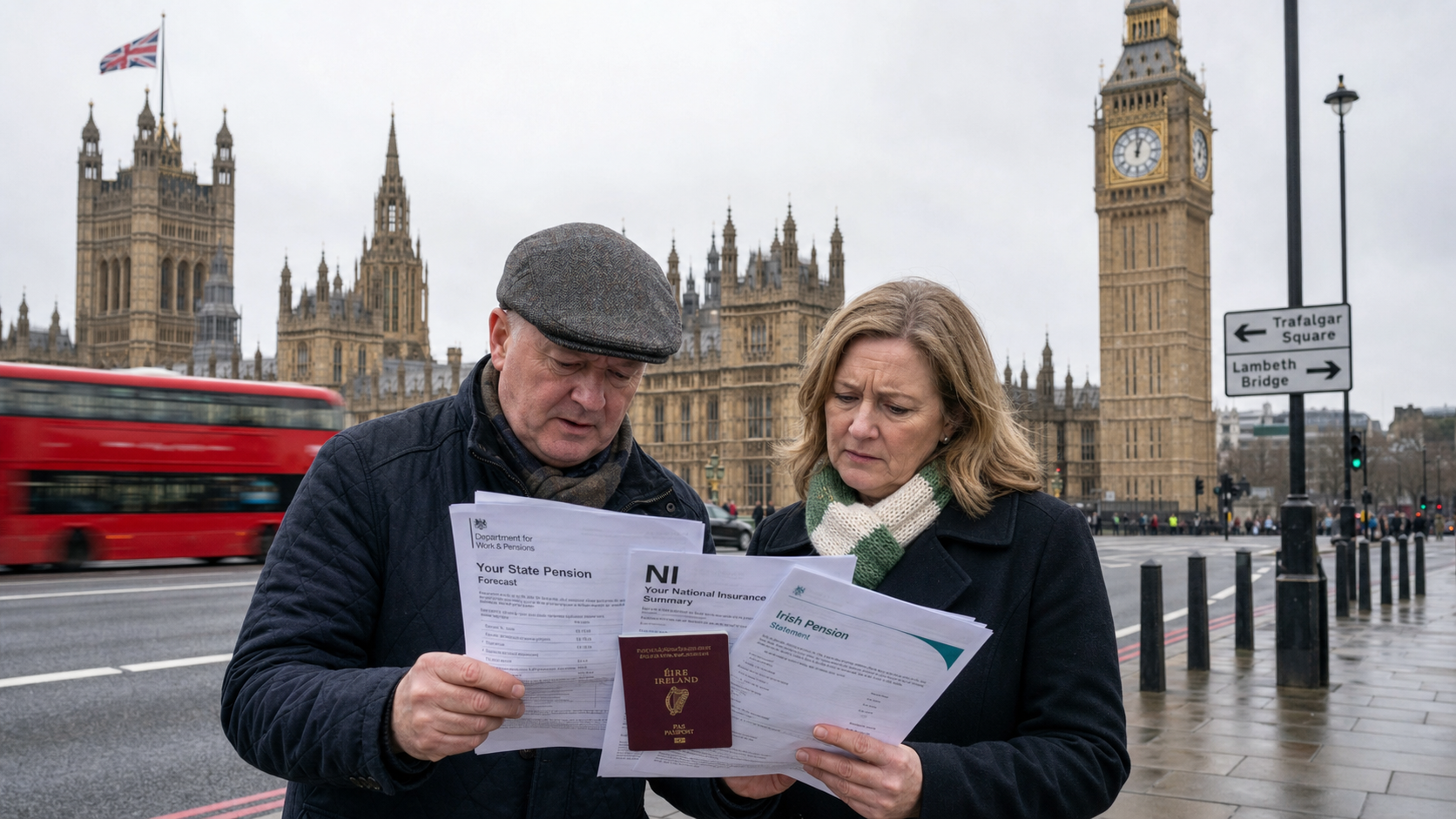
The Identity and Culture pillar focuses on promoting Irish culture, music, and sport abroad, while ensuring that the definition of "Irishness" remains inclusive of multi-heritage and LGBTQI+ diaspora stories. The Connection and Contribution pillar seeks to harness the professional expertise of the diaspora to support Ireland's trade, diplomatic, and economic agendas, including foreign direct investment and market access. The Departure and Return pillar acknowledges that approximately 30,000 citizens return to Ireland annually and commits to reducing administrative barriers for returnees, including issues surrounding driving licence recognition, social welfare, PPS numbers, and motor insurance. The Sharing Our Experience pillar commits to data-driven decision-making regarding the needs of Irish communities abroad.
The formal recognition of the "affinity diaspora" is one of the most significant conceptual innovations in the new strategy. It acknowledges that Ireland's global network extends beyond those with Irish blood to include the hundreds of thousands of people who have lived, worked, or studied in Ireland and who retain a strong connection to the country. This group — which includes former international students, returned emigrants from other countries, and professionals who have spent significant time in Ireland — represents a valuable resource for Irish trade, diplomacy, and cultural promotion that has not previously been systematically engaged.
Why It Matters
The Diaspora Strategy matters because it reflects a sophisticated understanding of Ireland's place in the world and the value of the connections that Irish people and their descendants have built across the globe. The Irish diaspora is not merely a sentimental concept; it is a practical asset — a network of relationships, expertise, and goodwill that can be mobilised in support of Ireland's economic, diplomatic, and cultural objectives. The strategy's recognition of the affinity diaspora is particularly significant, as it extends the definition of Ireland's global community beyond the purely hereditary and acknowledges the reality that Ireland's international relationships are built on shared experience as much as shared ancestry. The €17.5 million commitment to the Emigrant Support Programme is also important: it ensures that the most vulnerable members of the diaspora — the elderly, the isolated, those in financial difficulty — continue to receive the support they need from the State that they or their ancestors left behind.
Local Impact
The strategy's impact will be felt most directly by the Irish communities abroad that it is designed to support, but it also has implications for communities in Ireland. The Departure and Return pillar's commitment to reducing barriers for returnees will be welcomed by the estimated 30,000 people who return to Ireland each year, many of whom have reported frustrating experiences with bureaucratic obstacles that make the transition back to Irish life unnecessarily difficult. The strategy's emphasis on leveraging the diaspora's professional expertise for Ireland's economic benefit will also have implications for IDA Ireland and Enterprise Ireland, both of which have long recognised the value of diaspora networks in attracting investment and opening markets. The Global Irish Civic Forum, which brought together 250 diaspora representatives at Croke Park in May, is expected to become a regular feature of the strategy's implementation, providing a structured mechanism for ongoing engagement between the State and its global community.
What's Next
The Department of Foreign Affairs will publish a detailed Action Plan for the implementation of the strategy's 23 commitments in the coming months, setting out timelines, responsibilities, and performance indicators for each commitment. A calendar of ongoing engagements with diaspora stakeholders will be maintained throughout the 2026 to 2030 period, and an annual progress report will be published to track the strategy's implementation. The next Global Irish Civic Forum is expected to take place in 2028, providing an opportunity to assess progress and to engage with the diaspora on any adjustments required to the strategy's direction. Minister Richmond has indicated that the government is committed to increasing the Emigrant Support Programme allocation in future years, subject to the availability of resources.