Ireland's Mental Health Crisis Deepens as Advocates Call for Urgent Distress Centres to Replace A&E
Mental Health Reform Ireland, the coalition advocacy group, has issued an urgent call for the development of dedicated mental health distress centres across the country, arguing that busy hospital emergency departments are consistently the "least appropriate" and non-therapeutic settings for individuals experiencing acute psychological crises. The call, made on July 8 and continuing to generate significant discussion in mid-July, comes against a backdrop of severe systemic strain in Ireland's mental health services — a strain that has seen a record number of acutely mentally ill individuals held in prisons due to a lack of beds at the Central Mental Hospital, and a Mental Health Commission report finding that many facilities operate in "outdated, unsuitable, or unsafe" premises.
Background
Ireland's mental health services have been under sustained pressure for many years, a situation that reflects decades of under-investment, inadequate infrastructure, and a policy framework that has consistently prioritised acute hospital services over community-based mental health care. The Vision for Change policy document, published in 2006, set out an ambitious framework for the transformation of mental health services in Ireland, but its implementation has been slow and incomplete, leaving a system that falls far short of the standards that people experiencing mental health difficulties deserve.
The Central Mental Hospital, which is Ireland's national forensic psychiatric facility, has been operating at or beyond capacity for a number of years. The hospital, which provides care for people with serious mental illness who are involved in the criminal justice system, has a limited number of beds, and the demand for those beds has consistently exceeded supply. The result has been that people who should be receiving care in a therapeutic environment are instead being held in prisons, which lack the regulatory standards and clinical expertise of approved psychiatric centres.
The Mental Health Commission, which is the statutory body responsible for regulating and inspecting mental health services in Ireland, has been documenting the inadequacy of the country's mental health infrastructure for many years. Its reports have consistently highlighted the poor physical condition of many mental health facilities, the inadequacy of staffing levels, and the failure to provide the range of community-based services that people with mental health difficulties need.
Key Developments
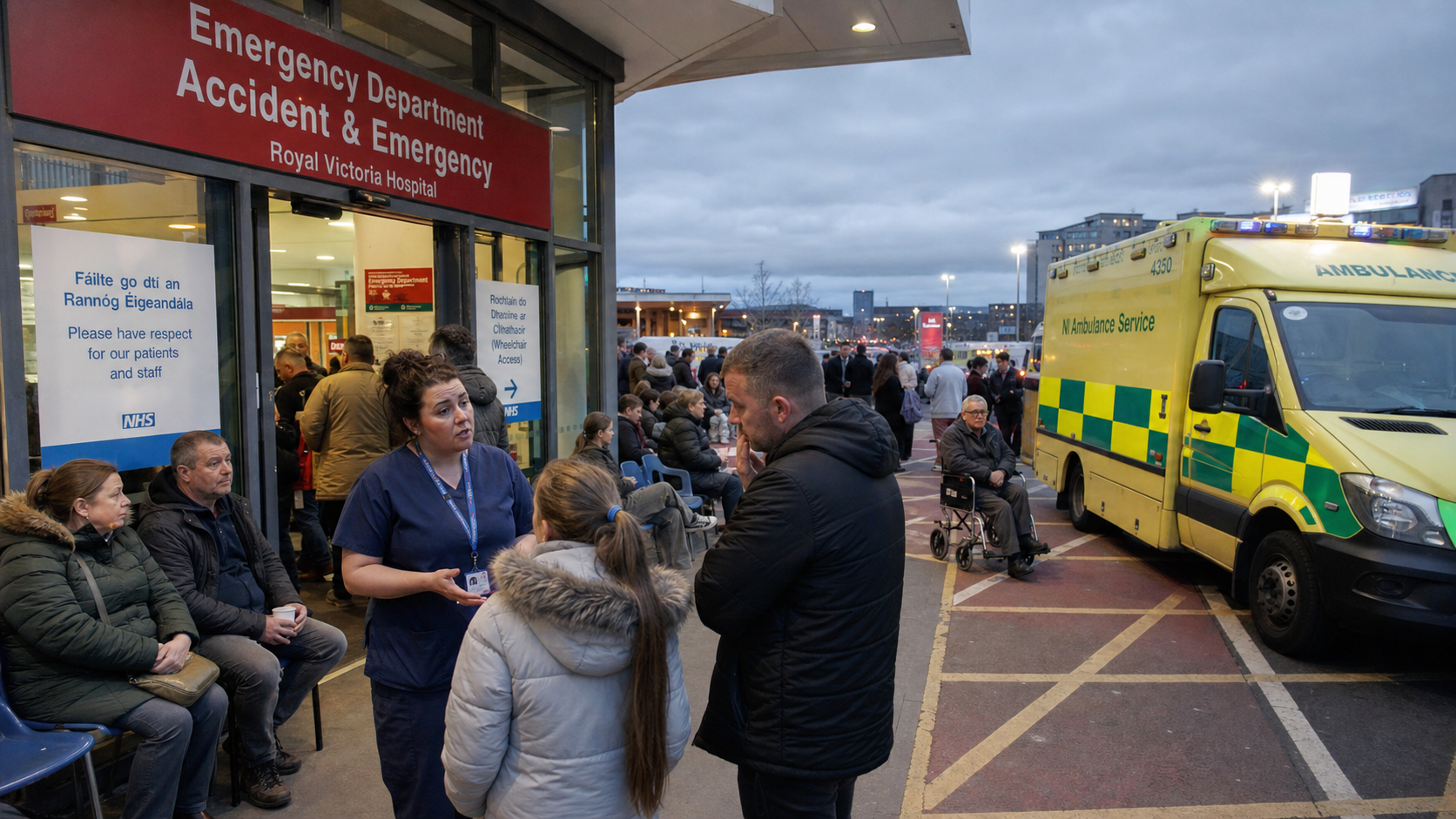
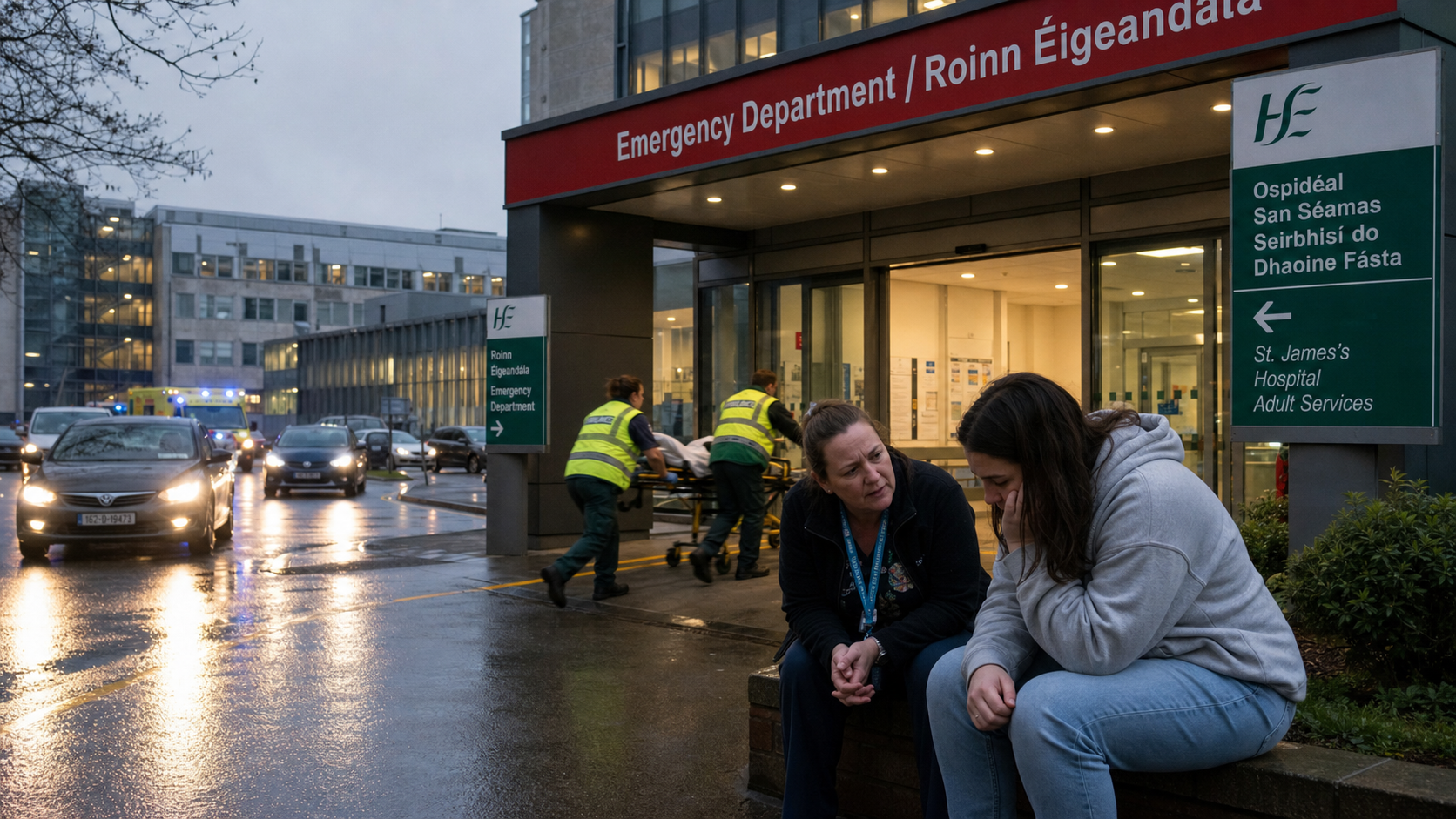
Mental Health Reform's call for dedicated distress centres, reported by RTÉ on July 8, reflects a growing consensus among mental health advocates and clinicians that the current model of directing people in mental health crisis to hospital emergency departments is fundamentally inadequate. A&E departments, which are designed to manage acute physical health emergencies, are ill-equipped to provide the therapeutic environment and specialist support that people experiencing mental health crises need. The noise, crowding, and clinical focus of emergency departments can actually worsen the distress of people in mental health crisis, making them less likely to engage with services and more likely to leave without receiving appropriate care.
The RTÉ Investigates programme that revealed the scale of the prison mental health crisis was a significant piece of journalism that brought the issue to public attention in a way that statistics alone cannot. The programme documented the experiences of individuals with serious mental illness who were being held in prison conditions that were wholly inappropriate for their needs, and it prompted a strong response from mental health advocates, politicians, and the public.
The Mental Health Commission's report, cited by the Irish Times, found that many mental health facilities across Ireland operate in premises that are "outdated, unsuitable, or unsafe" — a damning assessment of the physical infrastructure of the mental health system. The report's findings are consistent with the experience of service users and their families, who have long complained about the poor quality of the environments in which mental health care is delivered.
Why It Matters
The mental health crisis matters because it affects a significant proportion of the Irish population. Mental health difficulties are among the most common health conditions in Ireland, with approximately one in four people experiencing a mental health problem at some point in their lives. The quality of the services available to those people has a direct impact on their recovery, their ability to participate in work and family life, and their overall wellbeing.
The specific issue of people with serious mental illness being held in prisons is a human rights concern of the first order. Prisons are not therapeutic environments, and the detention of people with serious mental illness in prison conditions — even temporarily, while waiting for a bed at the Central Mental Hospital — is a violation of their rights and a failure of the state's duty of care.
The call for dedicated distress centres is a practical and evidence-based response to a well-documented problem. Countries that have developed dedicated mental health crisis services — including the UK, where crisis cafes and mental health crisis houses have been developed in many areas — have seen better outcomes for people in crisis and reduced pressure on emergency departments. Ireland's failure to develop similar services is a significant gap in the mental health system.
Local Impact
Across Ireland, the inadequacy of mental health services is felt in every community. In Dublin, the emergency departments at St Vincent's University Hospital, the Mater Misericordiae University Hospital, and Beaumont Hospital regularly see people in mental health crisis who would be better served by a dedicated mental health facility. The pressure that these presentations place on already stretched emergency departments affects the care available to all patients, not just those with mental health difficulties.
In rural areas, the challenges are even more acute. People in mental health crisis in counties like Roscommon, Leitrim, or Longford may face long journeys to access specialist mental health services, and the absence of local crisis services means that the default option is often the nearest emergency department, regardless of its suitability.
The HSE's 2026 National Service Plan includes allocations for 300 new mental health staff and the development of six new acute mental health units, but advocates argue that these commitments, while welcome, do not go far enough to address the scale of the crisis. The gap between the plan's ambitions and the on-the-ground reality of mental health service delivery remains significant.
What's Next
Mental Health Reform has indicated its intention to continue its campaign for dedicated distress centres, engaging with the Department of Health, the HSE, and individual TDs and senators to build political support for the initiative. The organisation is also working with international partners to develop a model for distress centres that is appropriate for the Irish context.
The HSE is expected to respond to the Mental Health Commission's report on facility conditions, with a plan for addressing the most urgent infrastructure deficiencies. The timeline for that response and the resources available to implement it remain to be determined.
The broader question of mental health funding will be a significant issue in the autumn budget process, with mental health advocates pressing for a substantial increase in the proportion of the health budget allocated to mental health services. Ireland's mental health spending as a proportion of the overall health budget remains below the European average, and advocates argue that closing this gap is essential to addressing the crisis in services.