Ireland's Hospitality Crisis: Rising Costs, Closing Pubs and a Sector Fighting for Survival
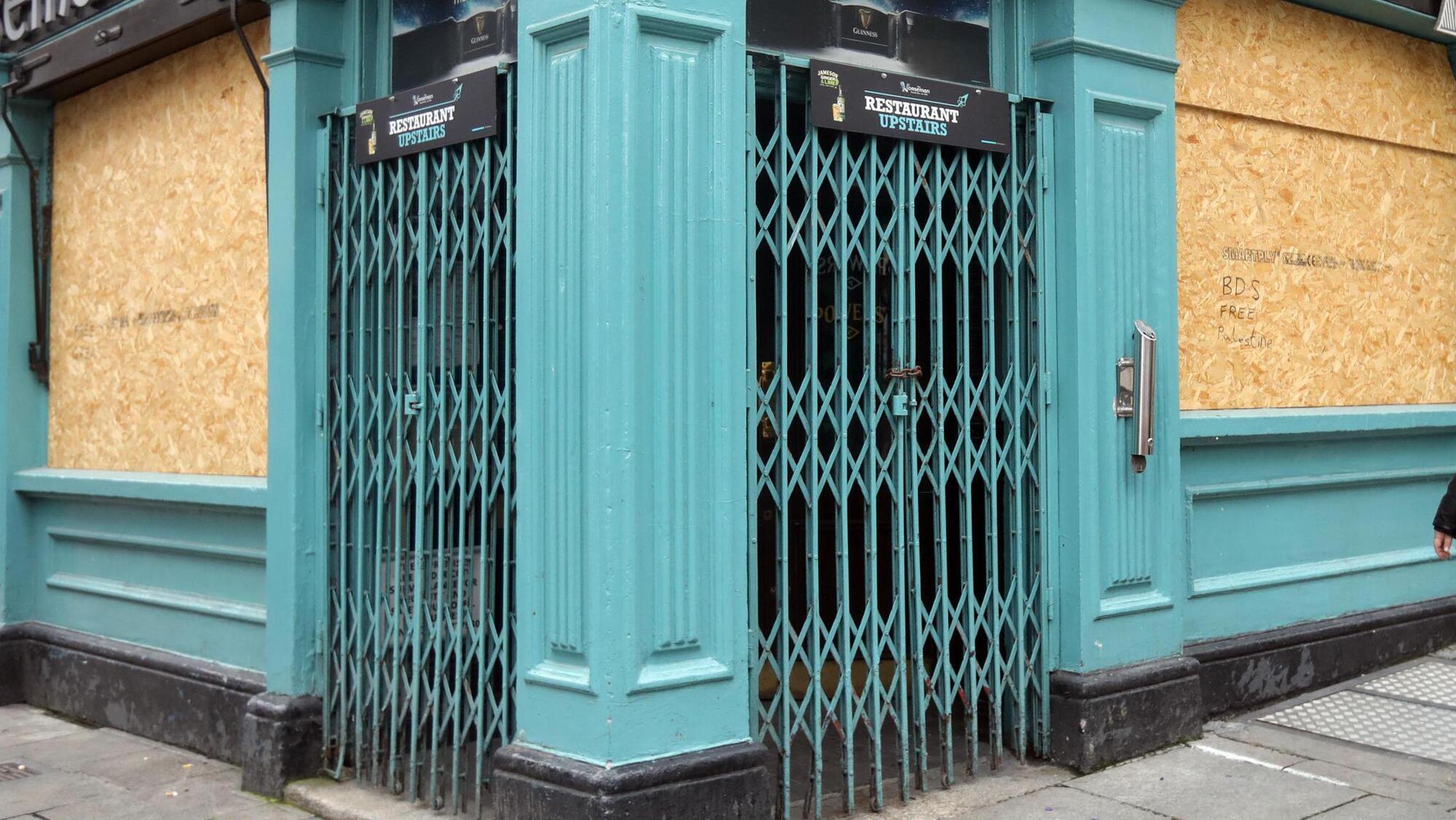
New research published this week has confirmed what many in Ireland's hospitality industry have been saying for months: the sector is facing an existential cost crisis that is driving businesses to the wall at a rate of more than two pubs per week, with electricity bills up 61.7% since 2023, insurance premiums up 26.6%, and a projected €1.4 billion increase in payroll costs by the end of 2026 — a combination that is making many businesses fundamentally unviable.
Background
Ireland's hospitality sector — encompassing pubs, restaurants, hotels, and cafés — is one of the most important components of the national economy, employing approximately 180,000 people and generating significant tourism revenue. It is also one of the most labour-intensive and cost-sensitive sectors in the economy, operating on margins that were thin even before the current cost crisis and that have been compressed to the point of non-existence for many operators.
The sector's difficulties are not new. The pandemic devastated hospitality businesses across Ireland, and the recovery, while real, has been uneven. Many businesses that survived the lockdowns did so by taking on debt, running down reserves, or benefiting from government supports that have since been withdrawn. They emerged from the pandemic into an environment of rising costs that has shown no sign of abating.
The research, conducted by Dublin City University economist Anthony Foley and published by the Drinks Industry Group of Ireland, provides the most comprehensive quantification to date of the cost pressures facing the sector. It documents a pattern of cost inflation that has been running well ahead of the general consumer price index, which itself rose by 7.5% between July 2023 and July 2026.
Key Developments
The headline figures are stark. Electricity costs for hospitality businesses have surged by 61.7% over the three-year period, driven by the global energy crisis and the particular vulnerability of hospitality operations — which require significant energy for cooking, refrigeration, heating, and lighting — to wholesale price movements. Insurance premiums have risen by 26.6%, reflecting both the general hardening of the insurance market and the specific risks associated with licensed premises. Wholesale beer prices have increased by 12%, adding to the cost of the core product for many pub operators.
The payroll cost increase is perhaps the most significant structural challenge. Government-mandated changes to employment law — including minimum wage increases, higher employer PRSI contributions, and new statutory sick pay requirements — are projected to add €1.4 billion to the sector's payroll costs by the end of 2026. These changes are individually defensible as improvements to workers' rights, but their cumulative impact on businesses operating on thin margins has been severe.
The government introduced a reduction of the VAT rate to 9% for food services from July 1, 2026, at a cost to the exchequer of €232 million in 2026 and an estimated €681 million in 2027. Industry groups have welcomed the measure but argue that it is insufficient to offset the scale of the cost increases they are facing. The Drinks Industry Group and the Irish Tourism Industry Confederation are calling for additional interventions, including adjustments to excise taxes and employer PRSI rates.
Why It Matters
The closure of pubs and restaurants is not merely an economic statistic — it represents the loss of social infrastructure that is central to Irish community life. The pub, in particular, occupies a unique place in Irish culture, serving as a meeting place, a venue for live music and sport, and a focal point for community identity in both urban and rural settings. The Drinks Industry Group estimates that 2,205 pubs have closed over the past 20 years, with the current rate of approximately 110 closures per year showing no sign of slowing.
In rural Ireland, the closure of the local pub often marks the beginning of a broader process of community decline, as the social hub around which other activities are organised disappears. In urban areas, the loss of independent restaurants and cafés contributes to the homogenisation of the high street and the erosion of the distinctive character that makes Irish cities attractive to both residents and visitors.
The sector's difficulties also have implications for tourism, which is one of Ireland's most important export industries. International visitors — particularly from the United States, which accounts for approximately 60% of total tourism spending — come to Ireland in significant part for the experience of its pubs, restaurants, and food culture. If that experience deteriorates because businesses cannot afford to maintain quality, the consequences for the broader tourism economy could be significant.
Local Impact
The impact of the cost crisis is felt differently in different parts of the country. In Dublin, where rents are highest and competition most intense, the closure rate among independent restaurants has been particularly severe, with several well-regarded establishments shutting their doors in recent months. In rural counties — Leitrim, Roscommon, Longford — where the pub is often the only social venue in a village, closures have a more immediate and visible impact on community life. Cork, Galway, and Limerick have seen a mixed picture, with some businesses thriving on the back of strong tourism demand while others struggle with the same cost pressures affecting the sector nationally. The Licensed Vintners Association has called for an emergency meeting with the Minister for Finance ahead of Budget 2027 to make the case for additional relief measures.
What's Next
Budget 2027, scheduled for October 6, is the next major opportunity for the government to respond to the sector's difficulties. Industry groups are lobbying for a reduction in excise duty on alcohol, a further reduction in employer PRSI for hospitality workers, and the extension of the 9% VAT rate beyond its current scheduled end date. The Minister for Finance has indicated that he is aware of the sector's difficulties but has not committed to specific measures. A report from the Tourism Recovery Taskforce, which has been examining the sector's long-term viability, is expected to be published before the budget.