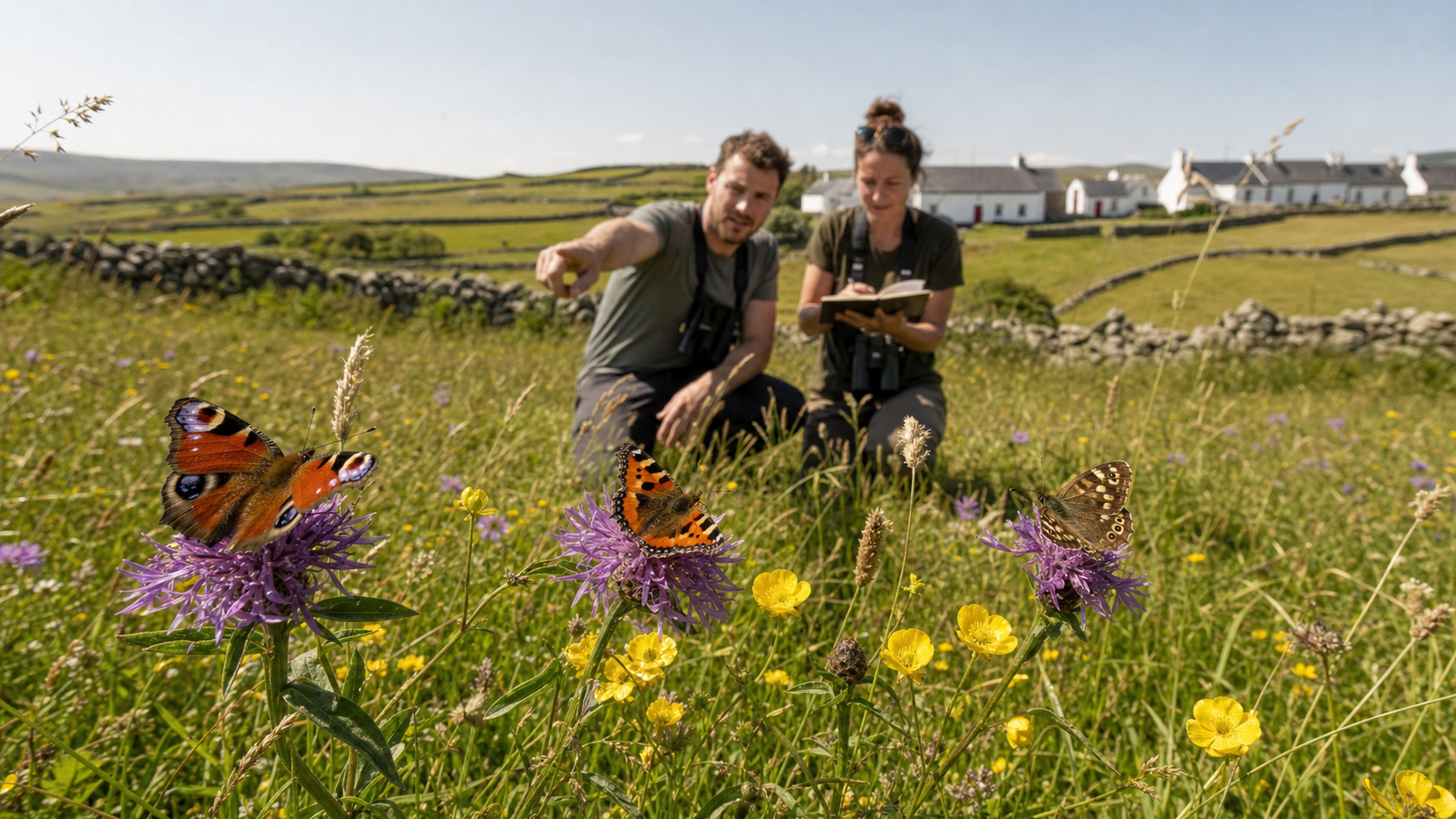
Ireland's Heatwave Brings Unexpected Gift: Butterfly Populations Surge Across the Country
Amid the hosepipe bans, wildfire warnings, and water shortages that have defined Ireland's prolonged summer heatwave, a quieter and more welcome story has been unfolding in gardens, meadows, and hedgerows across the country: butterflies are thriving in numbers not seen in years, with new species appearing in areas where they have rarely or never been recorded before.
Background
Ireland's butterfly populations have faced significant pressure over recent decades. Habitat loss, agricultural intensification, and the general trend toward wetter, cooler summers have combined to reduce both the diversity and abundance of butterfly species across the island. Several species that were once common in Irish meadows have declined sharply, and conservationists have long warned that without intervention, the country's butterfly fauna faces a bleak future.
But for butterflies, the conditions of summer 2026 have been close to ideal. These insects are ectothermic, they rely on external heat sources to regulate their body temperature, and warm, sunny weather dramatically accelerates their development, extends their flight periods, and increases the availability of the nectar sources they depend on.
Key Developments
Biodiversity Officer Collie Ennis has been among those documenting the surge, noting that the warm, dry spell has created conditions that have not been seen in Ireland for many years. The painted lady, a migratory species that travels to Ireland from North Africa and southern Europe, has been recorded in exceptional numbers this summer. The red admiral has also been unusually abundant, with sightings reported from every county on the island.
More significantly, there have been credible reports of species that are genuinely new to certain areas. The clouded yellow, a fast-flying migratory butterfly that is normally a rare visitor to Ireland, has been recorded at multiple sites across Munster and Leinster. Citizen science platforms have recorded a significant increase in butterfly sightings submitted by members of the public, with the volume of records in July 2026 already exceeding the totals for the same period in the previous three years combined.
Why It Matters
The butterfly surge is a reminder that ecological systems are complex and that the same conditions that create hardship in one domain can create opportunity in another. Butterflies are also important ecological indicators. Their populations respond quickly to changes in temperature, habitat quality, and the availability of food plants, making them useful proxies for the broader health of an ecosystem.
Local Impact
The butterfly boom has been reported across all four provinces, with particularly strong sightings in the south and east of the country where temperatures have been highest. In Dublin, the National Botanic Gardens in Glasnevin and the Phoenix Park have both reported exceptional butterfly activity throughout July. Schools and community groups have been encouraged by biodiversity officers to document sightings and submit records to citizen science platforms.
What's Next
Butterfly Conservation Ireland and the National Biodiversity Data Centre will publish a full analysis of the 2026 summer's butterfly records later in the autumn. Conservationists are also using the summer's data to make the case for habitat management policies, particularly the retention of wildflower margins and the reduction of roadside mowing, that would help sustain butterfly populations even in less favourable years.