Ireland's Drought Crisis Deepens as Emergency Fodder Meeting Called and Farmers Count Daily Losses
Ireland's agricultural drought has deepened to crisis point, with Minister for Agriculture Martin Heydon convening an emergency meeting of the National Fodder and Food Security Committee for the week of 17 August as farmers across the south, east, and midlands report losses of up to €500 per day and Met Éireann forecasts little prospect of significant rainfall for the worst-affected counties in the coming weeks.
Background
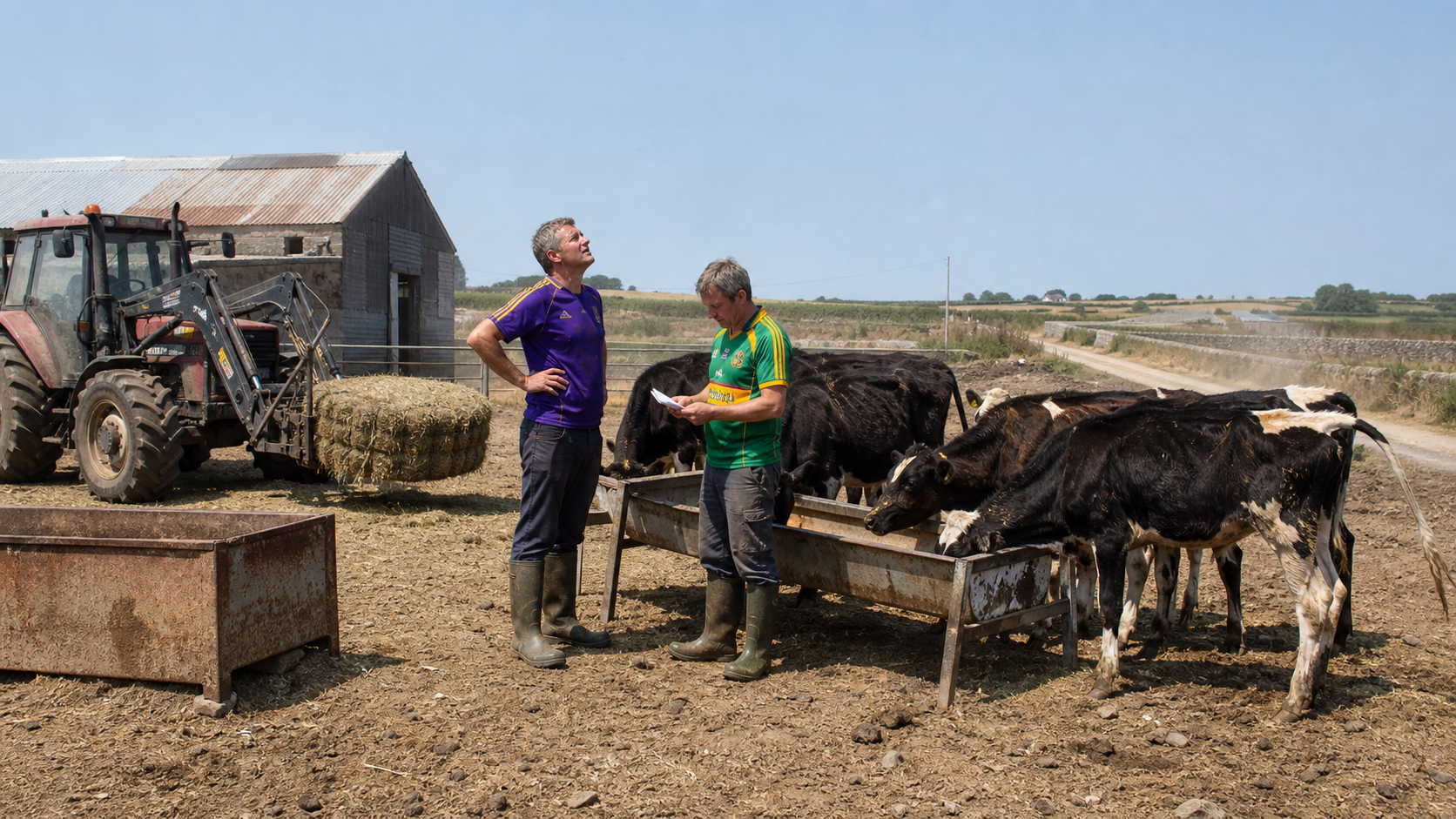
The summer of 2026 has been the driest on record for large parts of Ireland's south and east, with some areas recording little or no meaningful rainfall since the beginning of July. The consequences for agriculture have been severe and are worsening by the day. Grass growth — the foundation of Ireland's predominantly pasture-based livestock farming system — has essentially ceased in the worst-affected areas, forcing dairy and beef farmers to draw on winter fodder reserves that were intended to sustain their herds through the months of November to March.
The situation is particularly acute for dairy farmers, many of whom have been feeding their herds winter rations for approximately six weeks — a practice that is both financially ruinous and logistically challenging, as it requires the early opening of silage pits that were not designed to be accessed in August. Some farmers report that their winter fodder reserves are already significantly depleted, raising the prospect of a fodder crisis in the autumn and winter months that could force emergency imports at considerable cost.
Met Éireann's analysis of soil moisture deficits paints a stark picture. In the southeast, east, and midlands, deficits range from 71mm to 97mm, with some areas reaching as high as 98mm — figures that indicate the soil is so dry that even significant rainfall would take weeks to restore normal growing conditions. The northwest of the country has fared better, with near-normal conditions in Donegal, Sligo, and Leitrim, but the geographic concentration of Ireland's most intensive dairy and tillage farming in the south and east means that the national impact is severe.
Key Developments
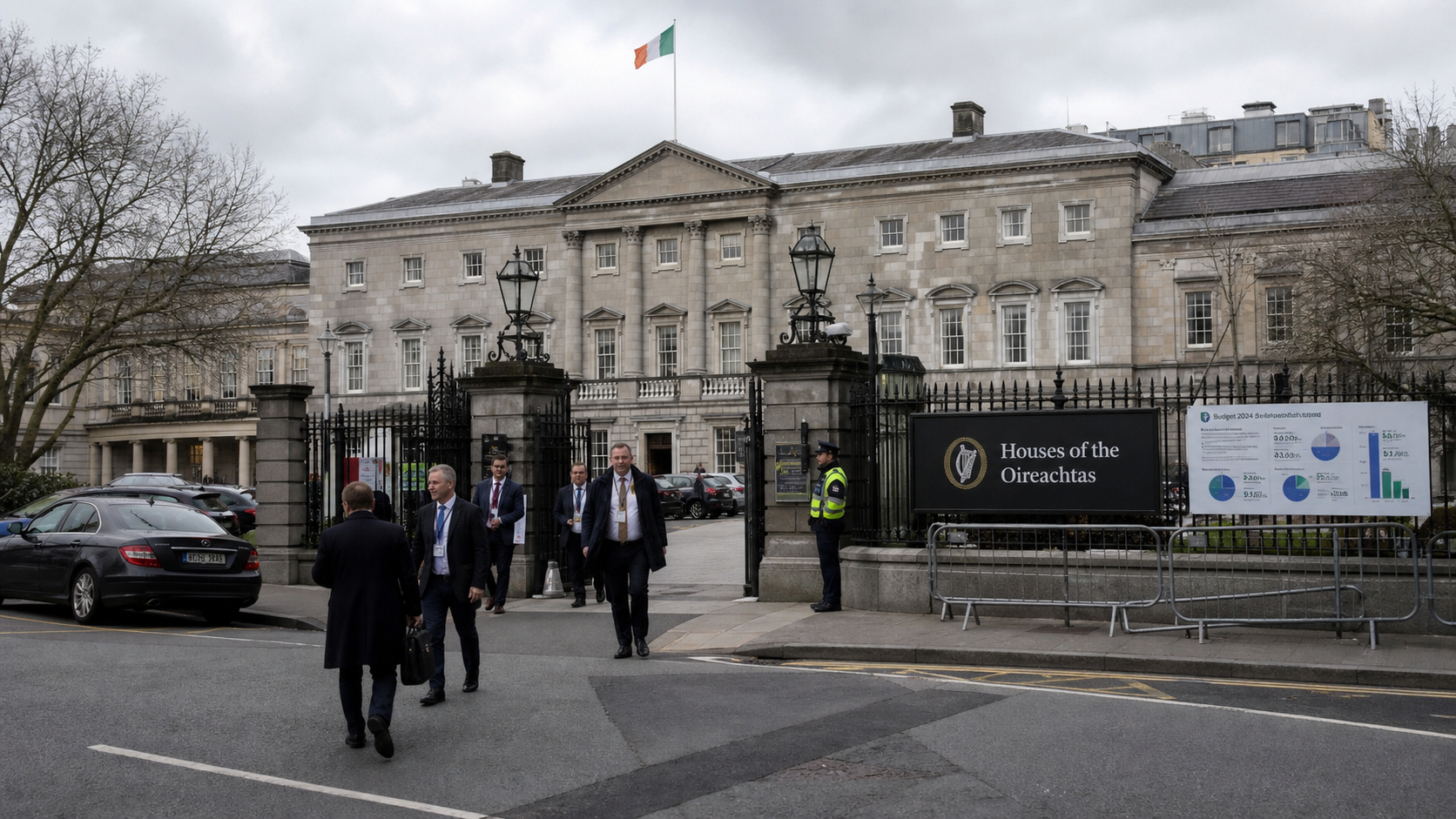
Minister Heydon has convened an emergency meeting of the National Fodder and Food Security Committee for the week of 17 August, bringing together representatives of the farming organisations, Teagasc, the Department of Agriculture, and the banking sector to assess the scale of the crisis and agree on a response. Teagasc has been tasked with conducting a national fodder survey to identify the areas of greatest need, with results expected by 21 August.
The Irish Farmers' Association, the Irish Creamery Milk Suppliers Association, and the Irish Co-operative Organisation Society have all called for immediate government action, drawing on the 2018 drought response as a template. That response included state-subsidised transport for fodder from unaffected areas to those in deficit, and farming organisations are pressing for a similar scheme to be activated without delay.
Sinn Féin's agriculture spokesman Martin Kenny has warned that the drought is a widespread European issue, which may limit the availability of imported fodder and make domestic solutions all the more important. "We cannot assume that we can simply buy our way out of this on the international market," he said. "The planning for winter silage shortages needs to start now."
Why It Matters
The 2026 drought is not just an agricultural crisis — it is a harbinger of the climate challenges that Irish farming will face with increasing frequency in the decades ahead. Ireland's farming system has been built on the assumption of a cool, wet climate that produces abundant grass growth for most of the year. That assumption is now being challenged by a pattern of increasingly dry summers that is consistent with the projections of climate scientists for the Atlantic fringe of Europe.
The economic stakes are enormous. Irish agriculture contributes approximately €13 billion to the national economy annually, and the dairy sector alone accounts for more than a third of that figure. A severe fodder crisis in the autumn and winter of 2026/27 could result in forced destocking — the sale of cattle and dairy cows at depressed prices — that would take years to recover from. The downstream effects on rural communities, food processing plants, and the broader agri-food supply chain would be significant.
Local Impact
The worst-affected counties include Wexford, Carlow, Kilkenny, Tipperary, Laois, and Offaly, where the combination of high temperatures and low rainfall has been most extreme. In County Wexford, the IFA county chairman has described conditions as the worst he has seen in forty years of farming. In County Tipperary, a number of farmers have already been forced to sell cattle they had intended to keep through the winter, accepting prices well below what they would have received in a normal year. The HSE has also issued guidance to farmers about the mental health impacts of financial stress, noting that the farming community is particularly vulnerable to anxiety and depression during periods of economic hardship.
What's Next
The National Fodder and Food Security Committee meeting on 17 August is expected to produce a set of recommendations that will be brought to Cabinet the following week. The government is under pressure to act quickly, with the farming organisations warning that every week of delay increases the risk of a winter crisis. A decision on whether to activate a fodder transport subsidy scheme is expected by the end of August.