Ireland's New Diaspora Strategy Commits Record Funding as Emigration Patterns Shift Dramatically
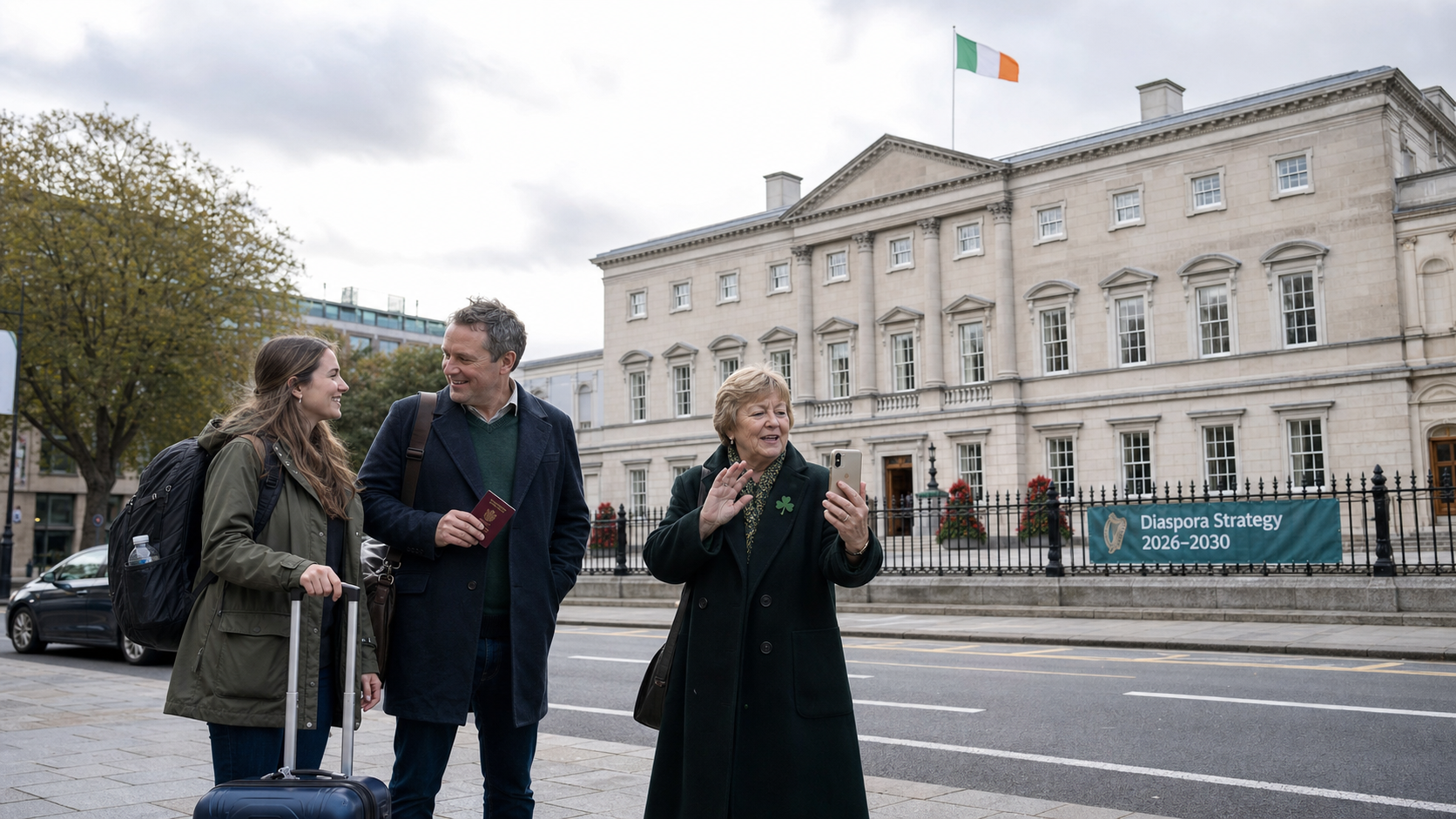
Ireland's third Diaspora Strategy, covering the period from 2026 to 2030, commits a record €17.5 million to the Emigrant Support Programme and outlines 23 specific commitments to strengthen the State's relationship with Irish communities around the world, as the government responds to a dramatic shift in emigration patterns that has seen Australia overtake the United States as the primary destination for Irish emigrants and a new generation of Irish people build lives in cities from Dubai to Warsaw to Nairobi.
The strategy, developed following the most extensive consultation process in the history of Irish diaspora engagement — including the first-ever online Global Irish Survey — formally recognises the "affinity diaspora" for the first time: people without hereditary Irish links who have strong cultural or professional connections to Ireland and who play an important role in promoting Irish values and interests abroad.
Background
Ireland has one of the largest diasporas in the world relative to its population, with an estimated 70 million people of Irish descent living outside the island of Ireland. The Irish government has been formally engaging with this diaspora since the establishment of the Emigrant Support Programme in 2004, which has provided more than €265 million to over 900 organisations worldwide in the two decades since its foundation. The programme supports Irish community organisations, cultural initiatives, and welfare services for vulnerable Irish people abroad.
The first two Diaspora Strategies, covering the periods 2015-2019 and 2020-2025, focused primarily on strengthening connections with established Irish communities in the United States, Britain, and Australia, and on supporting the most vulnerable members of those communities — the elderly, the undocumented, and those experiencing social isolation. The third strategy, which was launched by Minister of State for International Development and Diaspora Neale Richmond in May 2026, reflects a recognition that the Irish diaspora has changed significantly in recent years and that the government's engagement must evolve to keep pace with those changes.
The most significant change is the shift in emigration patterns. Australia has overtaken the United States as the primary destination for Irish emigrants, with 13,500 people moving from Ireland to Australia in the year to April 2025 — a 27% increase on the previous year — and the Irish-born population in Australia reaching a record 103,080. The UAE, Germany, and other European countries have also seen significant increases in Irish emigration, reflecting the growing diversity of destinations that Irish people are choosing.
Key Developments
The record €17.5 million allocation to the Emigrant Support Programme in 2026 represents the highest level of funding in the programme's history and reflects the government's commitment to supporting Irish communities abroad at a time when the scale and diversity of Irish emigration is greater than at any point since the 1980s. The funding will support organisations working with Irish communities in more than 60 countries, from the Irish community centres of London and Boston to newer Irish hubs in Sydney, Dubai, and Warsaw.
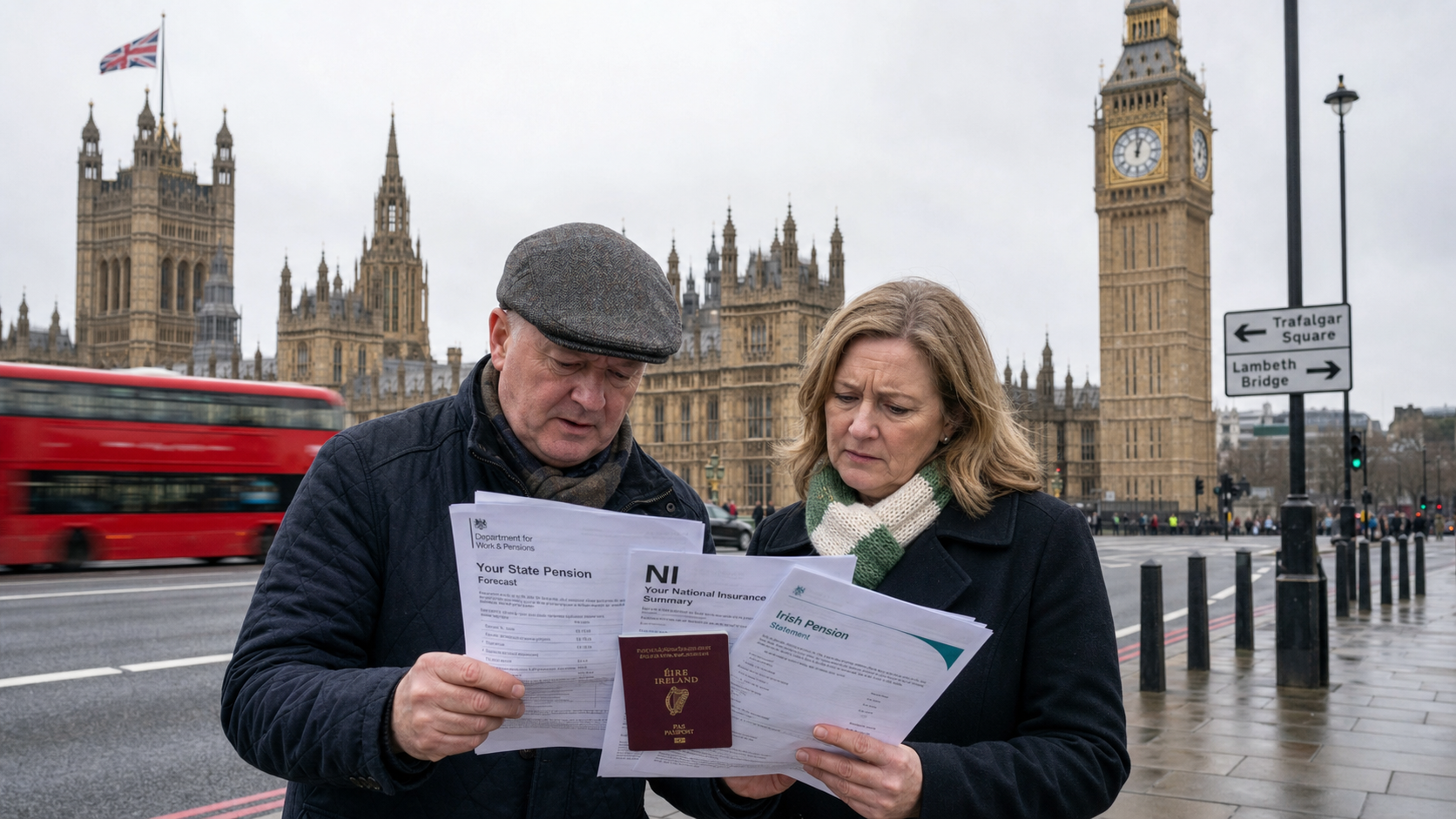
The 23 specific commitments in the strategy are organised around five key themes: wellbeing and advocacy, identity and culture, connection and contribution, departure and return, and sharing experience. Among the most significant commitments is a pledge to reduce the administrative barriers facing Irish citizens who wish to return to Ireland, including issues around driving licence recognition, motor insurance, social welfare, and PPS numbers — practical obstacles that have deterred many emigrants from returning even when they wish to do so.
The formal recognition of the "affinity diaspora" is a significant conceptual advance in how Ireland understands its relationship with the wider world. The strategy acknowledges that Ireland's soft power and international influence extend well beyond those with Irish blood, and that the millions of people who have lived, worked, or studied in Ireland and who maintain a strong connection to the country are an important part of the Irish story. This recognition opens the door to new forms of engagement with a much larger community than the traditional hereditary diaspora.
Why It Matters
The Diaspora Strategy reflects a mature and sophisticated understanding of Ireland's place in the world and of the role that the diaspora plays in projecting Irish values and interests internationally. The Irish diaspora is not merely a sentimental connection to the past — it is a living network of people, organisations, and relationships that has real economic, cultural, and diplomatic significance. The strategy's commitment to engaging with this network more systematically and more generously is an investment in Ireland's future as well as its past.
The shift in emigration patterns documented in the strategy also has important implications for domestic policy. The fact that 13,500 people moved from Ireland to Australia in a single year — a 27% increase — is a reflection of the housing crisis, the cost of living, and the sense among many young Irish people that their prospects are better elsewhere. The strategy's commitment to reducing barriers to return is an acknowledgement that emigration is not always a free choice and that the government has a responsibility to make Ireland a place where people want to stay and to which they can return.
The economic potential of the diaspora is also significant. Research by the charity Ireland Reaching Out has estimated that the global Irish diaspora represents an annual economic opportunity of between €3.35 billion and €7.4 billion for Irish tourism, food, retail, and financial services. Realising even a fraction of that potential would require the kind of systematic engagement that the new strategy is designed to facilitate.
Local Impact
The Emigrant Support Programme funds organisations across Ireland that work with returning emigrants and with the families of those who have emigrated. In communities across the country, from Donegal to Kerry, the programme supports services that help people navigate the practical and emotional challenges of emigration and return. The record funding allocation in 2026 will allow these organisations to expand their services and to reach more people at a time when the scale of Irish emigration is placing increasing demands on their capacity.
What's Next
The strategy will be implemented over the period from 2026 to 2030, with annual reviews to assess progress against the 23 specific commitments. The government has indicated that it will publish regular progress reports and will engage with diaspora communities through the Global Irish Civic Forum, which meets annually and provides a platform for diaspora leaders to engage directly with government ministers and officials. The next Forum is expected to take place in Croke Park in early 2027.