Ireland's Diaspora Strategy 2026-2030 Sets Out 23 Commitments to Deepen Ties with Global Irish Community
The Irish government's Diaspora Strategy 2026-2030, launched in May following the most extensive consultation process in the state's history, sets out 23 specific commitments to deepen ties with the global Irish community across five thematic areas. The strategy includes a record €17.5 million allocation for the Emigrant Support Programme and reflects a significant shift in how Ireland understands and engages with its diaspora — one that is increasingly diverse, geographically dispersed, and connected to Ireland through cultural identity as much as hereditary ties.
Background
Ireland has one of the largest diasporas relative to its population of any country in the world, with an estimated 70 million people globally claiming Irish heritage. The Irish diaspora has been a defining feature of the country's history and identity, shaped by centuries of emigration driven by famine, poverty, political upheaval, and, more recently, economic opportunity. The relationship between Ireland and its diaspora has evolved significantly over time, from the largely passive acknowledgement of the early state to the active engagement strategy that has developed since the 1990s.
The 2026-2030 strategy is Ireland's third formal diaspora policy, following strategies published in 2015 and 2020. It was developed by Minister of State for International Development and Diaspora Neale Richmond, who conducted 27 formal in-person consultations across 17 countries and oversaw the first-ever Global Irish Survey, which attracted over 10,000 responses. The breadth of the consultation process reflects a genuine commitment to understanding the diversity of the diaspora and to developing a strategy that responds to its actual needs and aspirations.
The strategy adopts an inclusive definition of the diaspora that goes beyond those with Irish ancestry to include the "affinity diaspora" — people who have lived or studied in Ireland and maintain a strong connection to the country despite lacking hereditary links. This reflects the reality that Ireland's diaspora is increasingly diverse, with significant communities of people from across the world who have made Ireland their home and then moved on, maintaining connections to the country through friendship, professional networks, and cultural affinity.
Key Developments
The 23 commitments in the strategy are organised around five thematic pillars: Wellbeing and Advocacy; Identity and Culture; Connection and Contribution; Departure and Return; and Sharing Our Experience. The Emigrant Support Programme, which funds organisations that support Irish communities overseas — particularly elderly and vulnerable members — receives a record €17.5 million allocation in 2026, reflecting the government's recognition that the welfare of Irish people abroad remains a core responsibility of the state.
The strategy acknowledges that emigration patterns are shifting. Australia has overtaken the United States as the leading destination for Irish emigrants, and the government is actively looking towards new regions, including Central and Eastern Europe, where Irish communities are growing. The strategy also emphasises the need for a more diverse and multi-heritage representation of "Irishness," recognising that the Irish diaspora of the twenty-first century is far more diverse than the predominantly white, Catholic diaspora of previous generations.
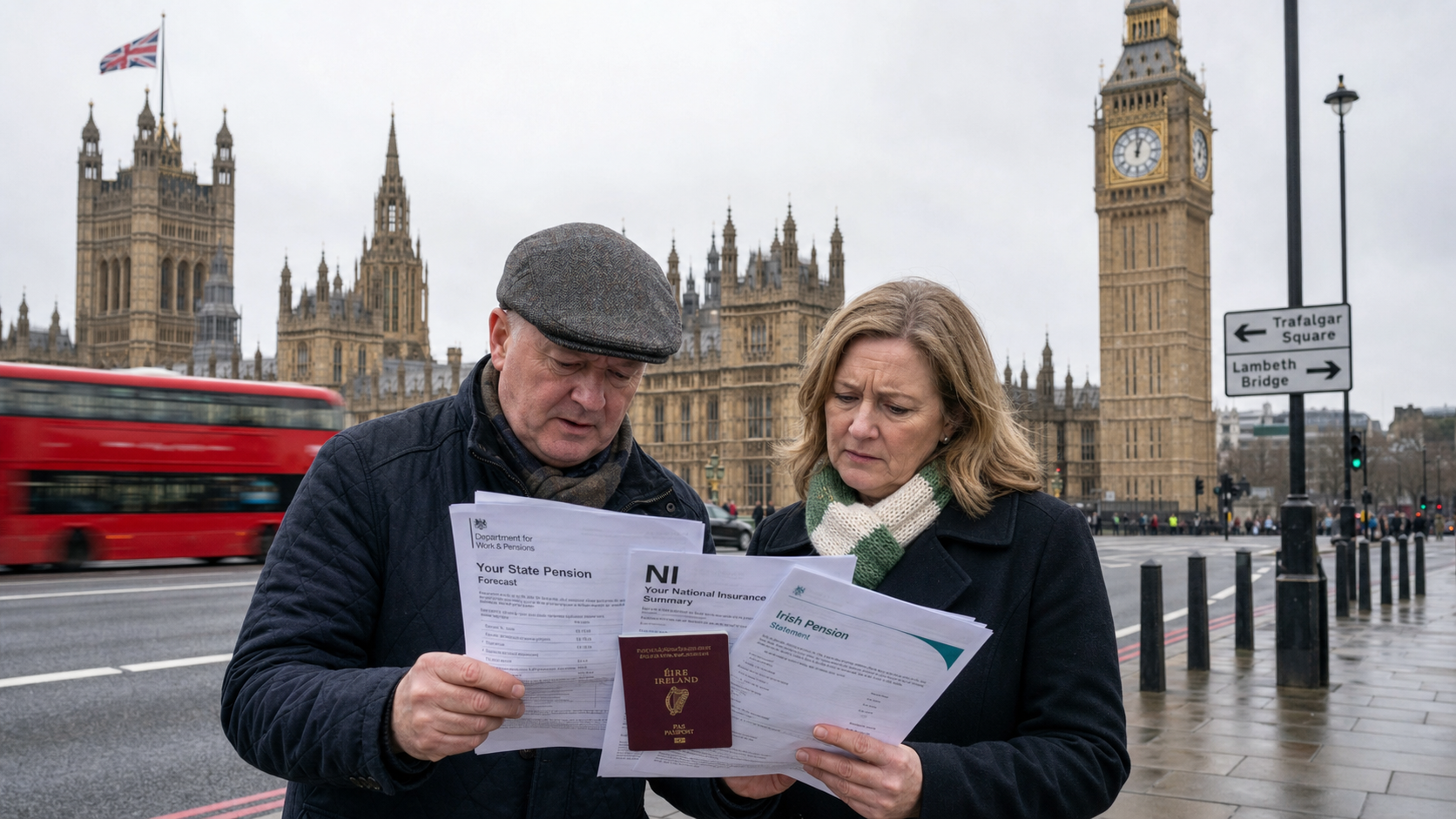
On the practical side, the strategy commits to reducing administrative barriers for the approximately 30,000 Irish citizens who return to Ireland each year, including simplifying processes related to social welfare, driving licence recognition, and motor insurance. These practical measures reflect feedback from returning emigrants who have found the transition back to Irish life more difficult than expected.
Why It Matters
Ireland's diaspora is one of the country's most significant strategic assets. The professional and personal networks of Irish people around the world have been a major factor in attracting foreign direct investment, in building Ireland's international reputation, and in supporting Irish cultural exports from literature and music to film and sport. The Diaspora Strategy 2026-2030 is an attempt to leverage those networks more systematically and to ensure that the relationship between Ireland and its diaspora is mutually beneficial.
The strategy also reflects a recognition that emigration is not simply a historical phenomenon but an ongoing reality. Ireland continues to lose significant numbers of young people to emigration each year, driven by housing costs, career opportunities, and the desire for new experiences. Maintaining strong connections with those who leave — and making it easier for them to return — is both a social and an economic imperative.
Local Impact
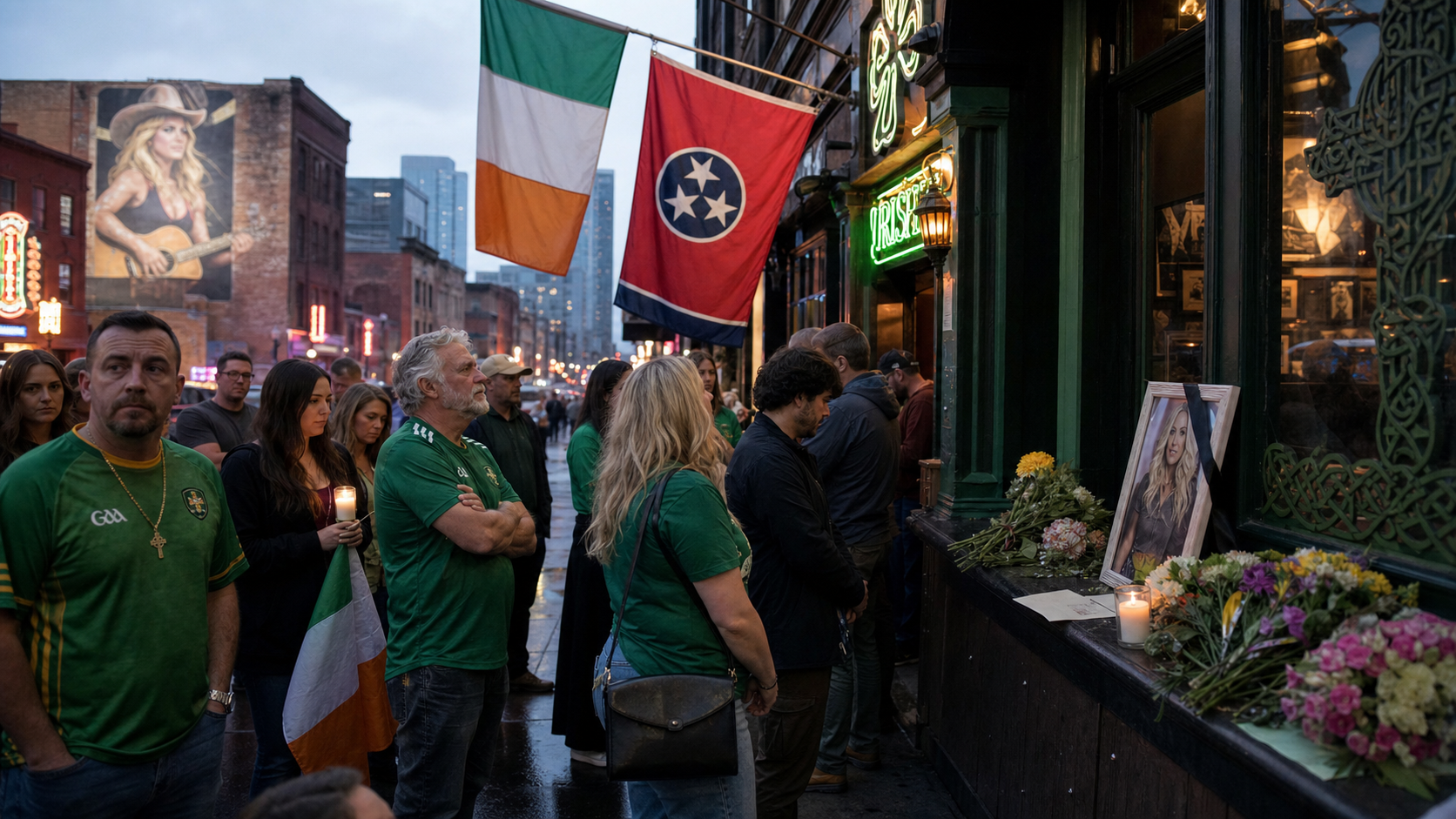
For Irish communities overseas, the strategy's commitments on wellbeing and advocacy are particularly significant. The Emigrant Support Programme funds a wide range of organisations that provide practical support to Irish people in difficulty abroad — from welfare services for elderly Irish people in the UK to legal aid for undocumented Irish people in the United States. The record €17.5 million allocation will allow these organisations to expand their services and to reach more people in need.
What's Next
The Diaspora Strategy 2026-2030 will be implemented over the next four years, with annual progress reports to be published by the Department of Foreign Affairs. Minister Richmond has indicated that he will hold further consultations with diaspora communities as the strategy is implemented, to ensure that the commitments are being delivered effectively and that the strategy remains responsive to the evolving needs of the global Irish community. The next Global Irish Forum, which brings together diaspora leaders from around the world, is expected to be held in Dublin in 2027.