Ireland's Corporate Tax Base Now Hinges on Single Weight-Loss Drug as Eli Lilly Concentration Risk Grows
Ireland's corporate tax base has undergone a dramatic shift, moving from reliance on a handful of major technology companies to dependence on a single pharmaceutical product — the GLP-1 weight-loss drug category — with Eli Lilly's Irish tax contribution tripling to approximately €5.6 billion in 2025 as global demand for Mounjaro and Zepbound surges, prompting the Irish Fiscal Advisory Council to issue a stark warning about concentration risk in the state's revenue base ahead of Budget 2027.
Background
Ireland's corporate tax story has been one of the defining features of the country's economic narrative for the past two decades. The decision to maintain a 12.5 per cent corporation tax rate — and to attract major multinational companies to establish their European headquarters in Dublin — transformed the Irish economy from one of the poorest in Western Europe to one of the wealthiest on a per capita basis. The strategy worked spectacularly well, but it also created a structural vulnerability: a tax base that is heavily concentrated in a small number of companies and sectors, and therefore highly sensitive to changes in corporate behaviour, international tax rules, and the fortunes of individual industries.
For much of the past decade, the concentration risk was associated primarily with the technology sector. Apple, Google, Microsoft, and a handful of other US technology giants accounted for a disproportionate share of Ireland's corporate tax receipts, and the windfall from the Apple back-tax case — which delivered €14.1 billion to the Irish exchequer in 2024 — illustrated both the scale of the concentration and the unpredictability of the revenue flows it generates. The Irish Fiscal Advisory Council has repeatedly warned that the technology-driven corporate tax surge is not a permanent feature of the Irish fiscal landscape and that the government should not rely on it for recurring expenditure.
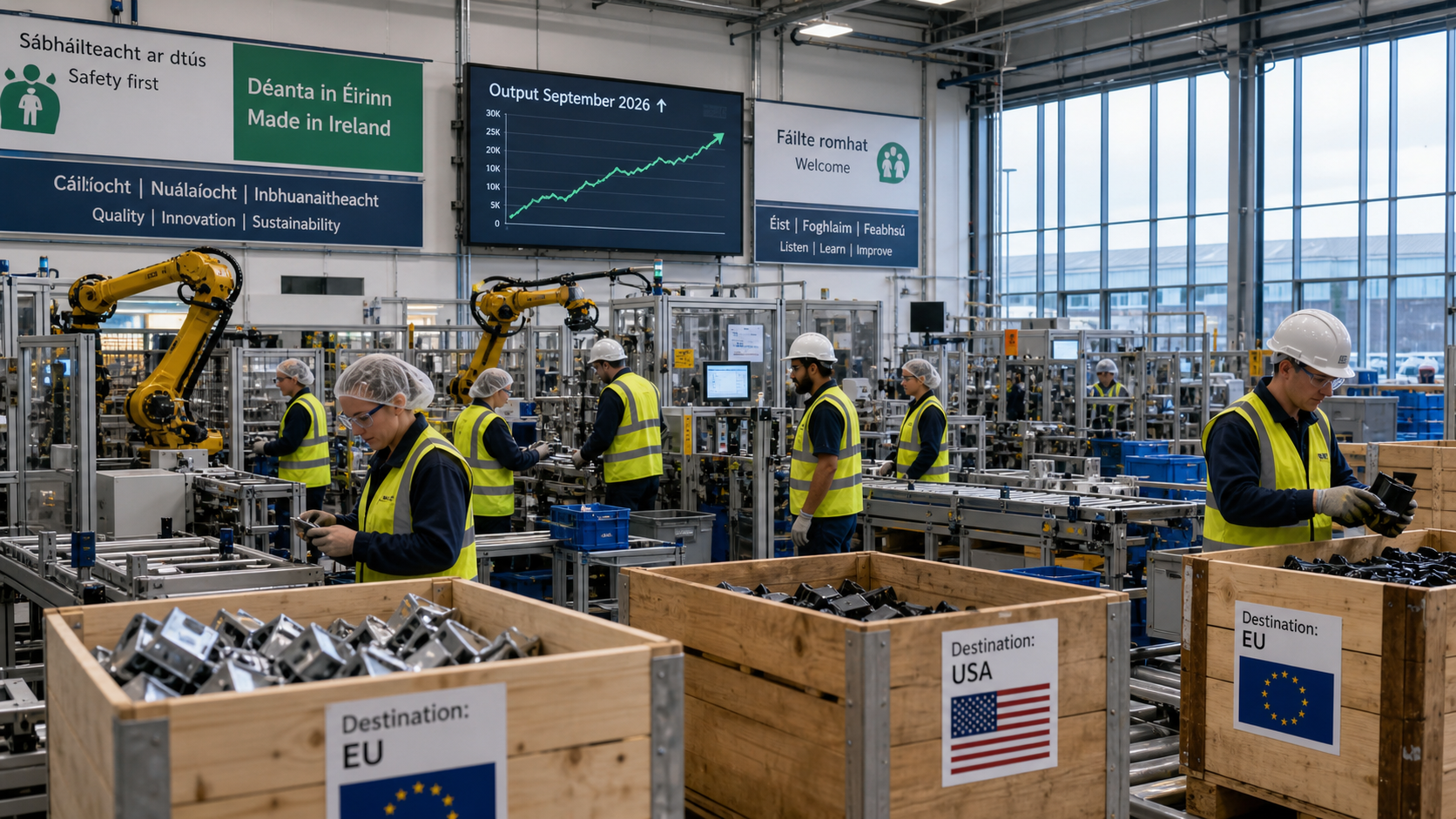
The emergence of GLP-1 weight-loss medications as a global phenomenon has now added a new dimension to the concentration risk. Eli Lilly, which manufactures the active ingredients for Mounjaro and Zepbound at facilities in Kinsale, County Cork, and Limerick, has seen its Irish operations expand dramatically in response to the extraordinary global demand for these drugs. The company's Irish tax contribution has grown at a pace that has surprised even optimistic forecasters, and it has now joined Apple and Microsoft as one of the three companies that together account for nearly half of all corporate tax receipts in Ireland.
Key Developments
An analysis published in the Irish Times on Sunday has highlighted the extent to which Ireland's corporate tax base now hinges on a single product category. Eli Lilly's Irish tax contribution tripled to approximately €5.6 billion in 2025, reflecting the explosive growth in global sales of GLP-1 medications and the concentration of manufacturing activity at the company's Irish facilities. The Irish Fiscal Advisory Council has warned that this concentration creates a significant vulnerability: if demand for GLP-1 medications were to fall — whether due to the emergence of competing products, safety concerns, or changes in reimbursement policies in key markets — the impact on Irish corporate tax receipts could be severe.
The council's concern is not merely theoretical. The history of pharmaceutical manufacturing in Ireland is littered with examples of products that generated enormous revenues for a period before being superseded by newer treatments or losing patent protection. The blockbuster drugs of the 1990s and 2000s — statins, proton pump inhibitors, antidepressants — generated significant tax revenues for Ireland during their peak years, but those revenues declined sharply as patents expired and generic competition emerged. The GLP-1 category is currently in its growth phase, but the patent cliff will eventually arrive, and the question is whether Ireland will have diversified its tax base sufficiently by then to absorb the impact.
The concentration risk is compounded by the fact that the three companies — Apple, Microsoft, and Eli Lilly — represent very different sectors and very different risk profiles. Apple's Irish tax contribution is sensitive to changes in international tax rules and to the company's own corporate decisions about where to book profits. Microsoft's contribution is driven by its cloud computing and software businesses, which are growing but also subject to competitive pressure. Eli Lilly's contribution is driven by a single product category that is currently experiencing extraordinary demand but that could be disrupted by technological change, regulatory action, or shifts in clinical practice.
Why It Matters
The concentration of Ireland's corporate tax base in three companies — and effectively in one product category — is a significant fiscal risk that has implications for the government's ability to fund public services over the medium term. The corporate tax windfall of recent years has allowed the government to increase spending on health, housing, and infrastructure while simultaneously reducing income taxes and building up the sovereign wealth funds. But this spending trajectory is predicated on the continuation of corporate tax receipts at or near current levels — a predicate that the Irish Fiscal Advisory Council regards as dangerously optimistic. If corporate tax receipts were to fall by even 20 per cent — a scenario that is entirely plausible given the concentration risk — the impact on the public finances would be severe, requiring either significant spending cuts or tax increases that would be politically painful and economically damaging.
Local Impact
The GLP-1 manufacturing boom has had a significant positive impact on the communities around Eli Lilly's Irish facilities. In Kinsale, County Cork, the company's manufacturing plant is one of the largest employers in the area, and the expansion of production capacity has created hundreds of additional jobs in recent years. In Limerick, the company's presence is part of a broader pharmaceutical cluster that has made the city one of the most important manufacturing hubs in Ireland. The economic benefits of the GLP-1 boom are real and tangible for these communities, and the prospect of a future decline in demand is a source of genuine concern for local workers and businesses. The government's challenge is to ensure that the tax revenues generated by the current boom are invested in ways that will sustain economic activity in these communities even if the pharmaceutical sector's contribution to the exchequer eventually diminishes.
What's Next
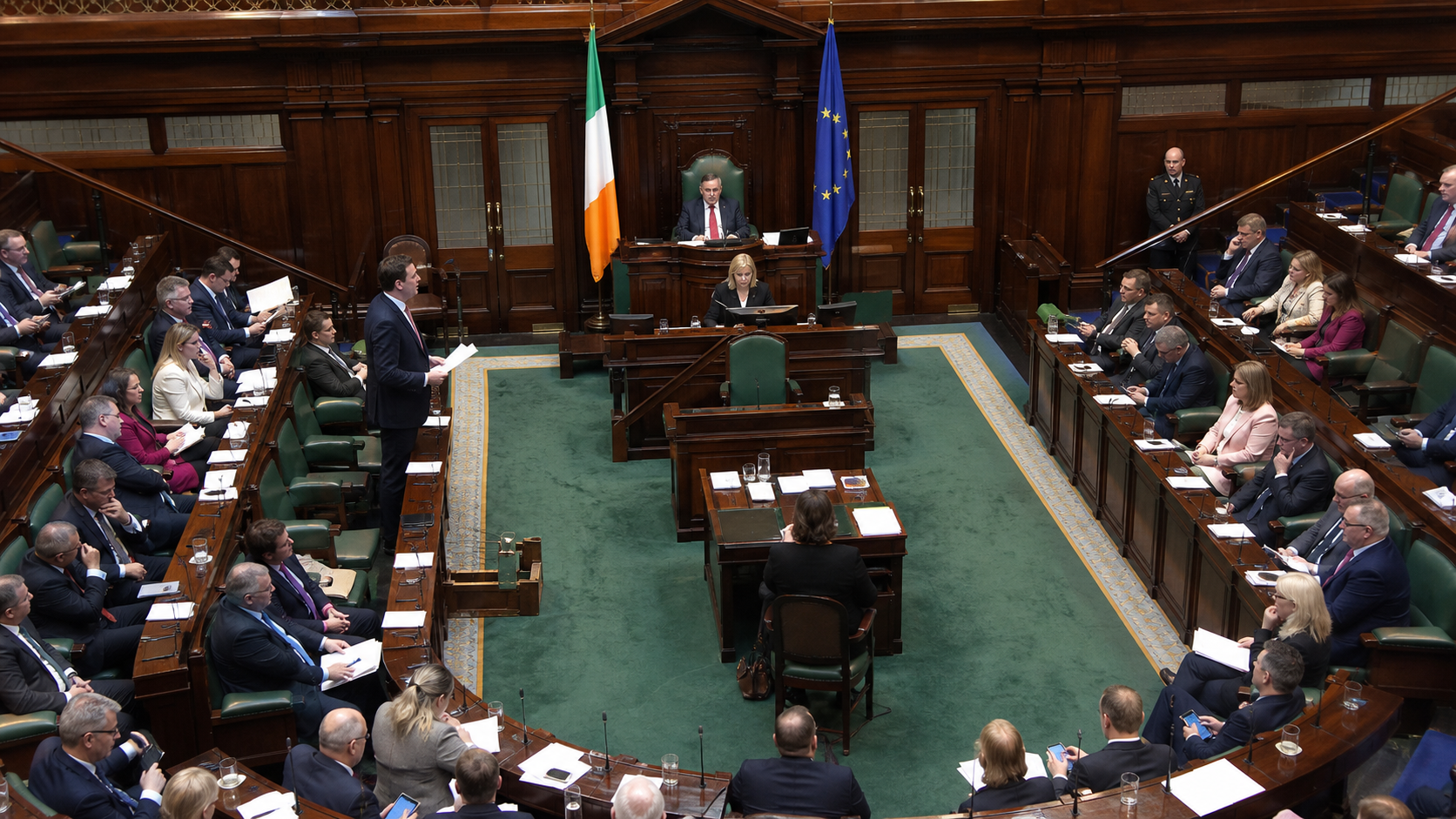
Budget 2027, due on October 6, will be the first budget to be presented against the backdrop of the Irish Fiscal Advisory Council's explicit warning about GLP-1 concentration risk. The council is expected to publish its pre-budget assessment in the coming days, setting out its concerns about the sustainability of current spending plans and calling for greater fiscal prudence. The government is expected to respond by pointing to the sovereign wealth funds — the Future Ireland Fund and the Infrastructure, Climate and Nature Fund — as evidence that it is taking steps to manage the concentration risk. The question of how much of the corporate tax windfall should be saved versus spent is likely to be one of the central debates of the Budget 2027 process and of the general election campaign that follows.