Ireland's Pub Trade Under Pressure as Alcohol Excise Confirmed as Europe's Second Highest
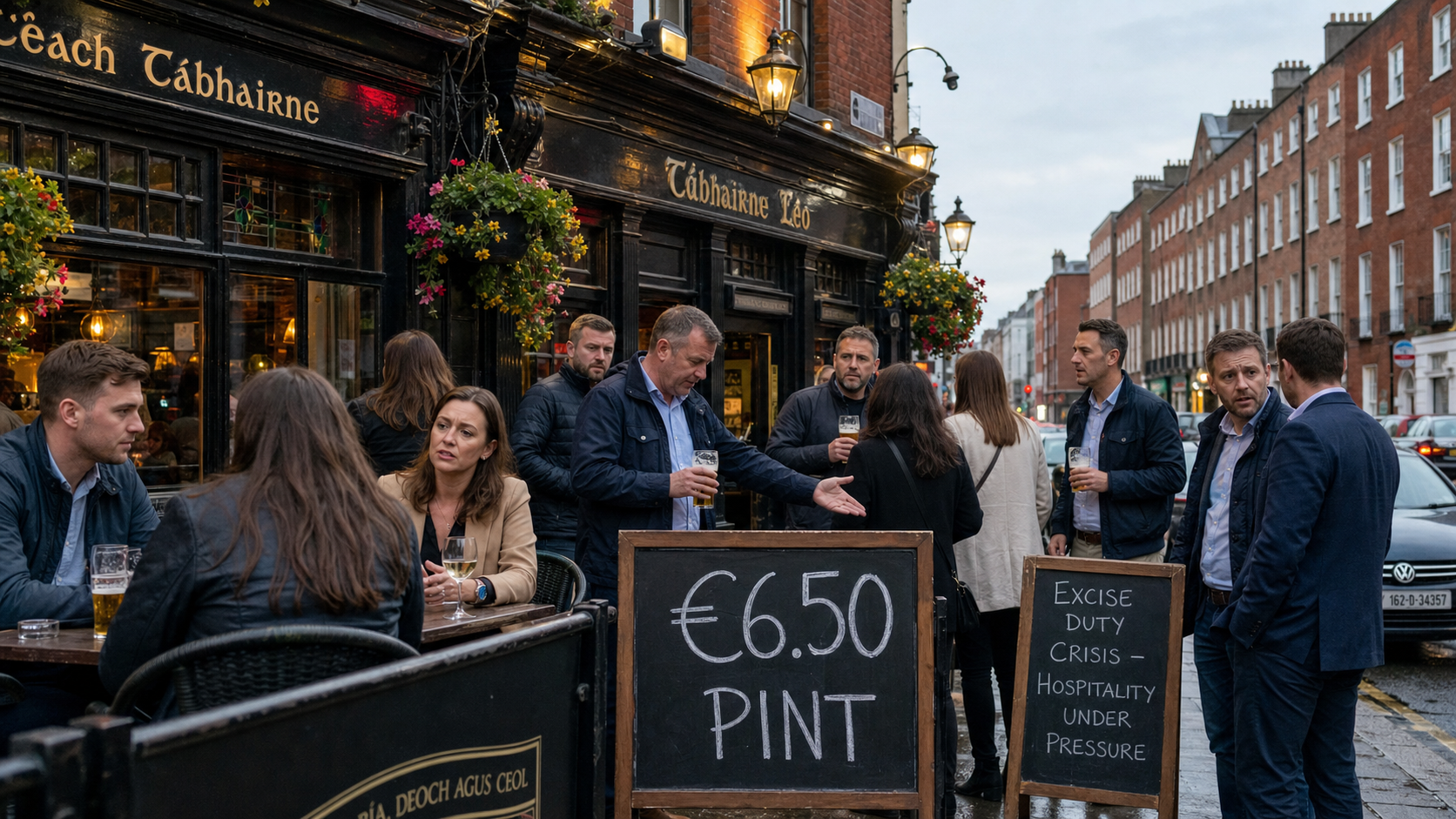
Ireland has the second-highest excise duty on alcohol in Europe, behind only Finland, according to new research published on Friday by Dublin City University economist Anthony Foley and commissioned by the Drinks Industry Group of Ireland. The study, which assesses the weighted average of excise rates for wine, beer, and spirits across EU member states and the United Kingdom, shows that a standard bottle of wine sold in an Irish off-licence carries €3.19 in excise duty, a pint of beer in an Irish pub attracts €0.55, and a 70cl bottle of whiskey is subject to €11.92 in excise — figures that the industry argues are placing an unsustainable burden on the hospitality sector ahead of the October budget.
Background
Ireland's relationship with alcohol taxation has long been a source of tension between the state's public health objectives and the economic interests of the hospitality and drinks manufacturing sectors. The excise duty regime, which has remained broadly unchanged in recent budgets despite repeated industry calls for relief, reflects a deliberate policy choice to use taxation as a tool for reducing alcohol consumption — a goal that is supported by public health bodies including the Health Service Executive and the Irish Cancer Society.
The drinks industry's counter-argument is that the current tax levels are not primarily a public health measure but rather a revenue-raising mechanism that disproportionately affects small, indigenous businesses — pubs, restaurants, craft breweries, and distilleries — while doing little to address the patterns of harmful drinking that public health advocates are most concerned about. The closure of over 2,100 pubs since 2005, a figure cited in the DIGI research, is presented as evidence of the cumulative damage that high excise duties, combined with other cost pressures, have inflicted on the sector.
The comparative context is striking. Fourteen European countries — including Spain, Portugal, Italy, and Germany — levy no excise duty on wine at all. Spain charges just €0.05 in excise on a pint of beer, compared to Ireland's €0.55. A 70cl bottle of whiskey in Spain attracts €2.69 in excise, compared to €11.92 in Ireland. These differentials have significant implications for the competitiveness of Irish hospitality businesses, particularly in the context of tourism, where visitors from lower-excise countries may find Irish drink prices surprising.
Key Developments
The Foley research, which uses a weighted average methodology to account for the different consumption patterns of wine, beer, and spirits across European countries, places Ireland second overall behind Finland. On individual beverage categories, Ireland ranks second for wine excise, third for beer (behind Finland and Sweden), and third for spirits (also behind Finland and Sweden). The consistency of Ireland's high ranking across all three categories underlines the breadth of the excise burden rather than its concentration in any single product area.
DIGI has used the research to support its pre-budget submission calling for a 10 per cent reduction in alcohol excise duty across all categories. The organisation argues that such a reduction would provide meaningful relief to the hospitality sector without significantly affecting public health outcomes, pointing to evidence from other European countries that moderate excise reductions do not lead to measurable increases in harmful drinking.
The government's response to the DIGI submission has been cautious. Minister for Finance Paschal Donohoe has acknowledged the pressures facing the hospitality sector but has not committed to any change in excise rates ahead of the October budget. The Department of Finance's own analysis of the excise question is expected to be completed in September, and its conclusions will inform the budget decision.
Why It Matters
The alcohol excise debate is part of a broader conversation about the cost of doing business in Ireland, which has risen significantly in recent years as a consequence of wage inflation, energy costs, and commercial rents. For the pub trade in particular, which has faced a perfect storm of cost pressures since the pandemic, the excise question is existential rather than marginal. The closure of rural pubs — which serve not just as drinking establishments but as community hubs, post offices, and social centres — has been identified by the government's own rural development strategy as a significant threat to the fabric of rural Irish life.
The craft brewing and distilling sectors, which have grown rapidly in Ireland over the past decade and now represent a significant export industry, are also affected by the excise regime. Irish whiskey in particular has experienced remarkable international growth, with exports reaching record levels in recent years. Industry representatives argue that a reduction in domestic excise would support the sector's competitiveness and help to sustain the investment in distillery infrastructure that has been a feature of the Irish economy in recent years.
Local Impact
Across Ireland, from the craft breweries of Cork and Kerry to the whiskey distilleries of Midleton and Kilbeggan, the excise question has a direct bearing on business viability and employment. In Dublin, where the hospitality sector employs tens of thousands of people, the combination of high excise duties, rising rents, and labour costs has created a challenging environment for pub and restaurant operators. In rural areas, where the pub often serves as the last remaining community gathering point, the financial pressure is even more acute.
What's Next
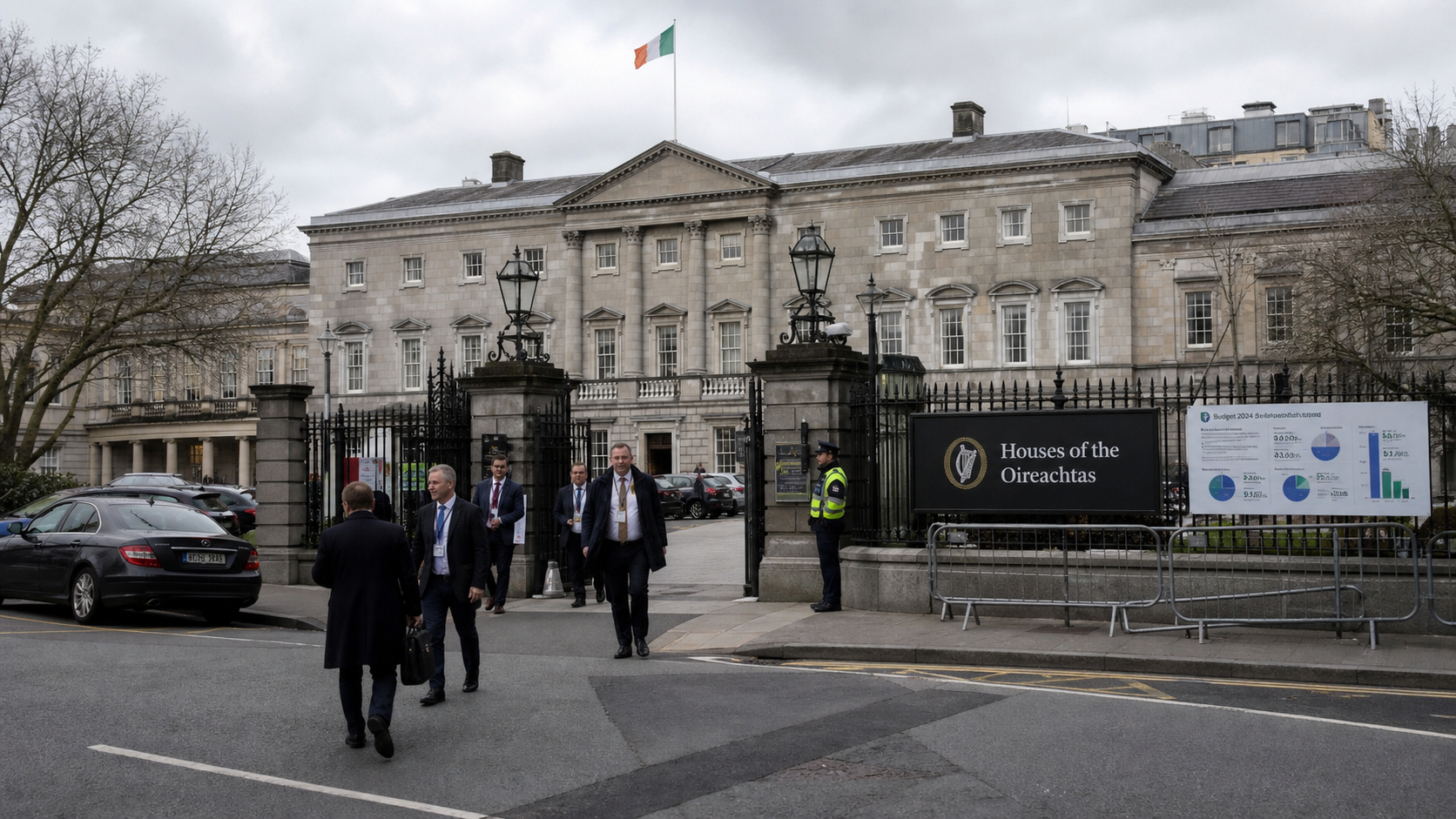
The October budget, expected to be presented to the Dáil on Tuesday 13 October 2026, will be the key moment of decision on the excise question. DIGI has indicated that it will continue its lobbying campaign in the weeks ahead, including a series of regional events designed to highlight the impact of high excise duties on local hospitality businesses. The Vintners' Federation of Ireland and the Licensed Vintners Association have both indicated that they will make separate pre-budget submissions, adding to the weight of industry representation on the issue. A decision to reduce excise by even five per cent would be widely welcomed by the sector, while a decision to maintain current rates would likely prompt a significant political response from opposition parties.