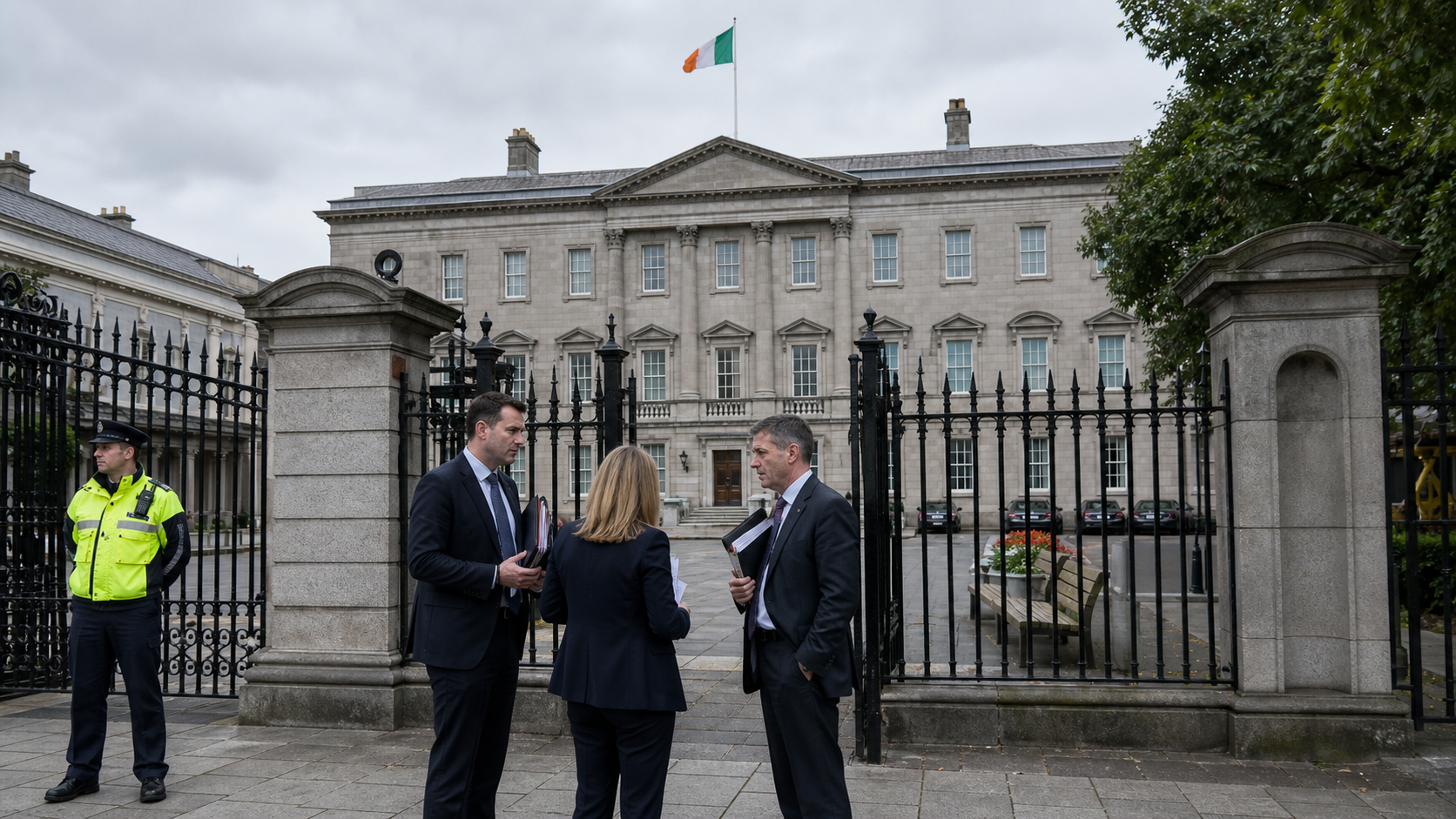
Ireland Ranked Bottom of European Intelligence League as Experts Call for Urgent Reform
Ireland has been placed at the bottom of a European intelligence league table compiled by French magazine L'Express, receiving zero points in a survey of 60 intelligence professionals from 25 countries — a result that security analysts say reflects decades of structural underinvestment in the country's intelligence capacity and the practical limitations of a neutrality policy that has historically deprioritised security and defence.
Background
The L'Express ranking, which used a methodology similar to the Ballon d'Or or Eurovision — with intelligence professionals from across Europe awarding points to the services they considered most effective — placed the United Kingdom's MI6 at the top with 251 points, followed by France's DGSE with 169 points and the Dutch services with 97 points. Ireland, along with Luxembourg, received no points at all.
The result is not entirely surprising to those who follow Irish security policy. Unlike most European nations, Ireland does not have a dedicated foreign intelligence service. Its intelligence capabilities are divided between the Irish Military Intelligence Services — a relatively small organisation within the Defence Forces — and An Garda Síochána's Special Detective Unit, which focuses primarily on domestic security threats. There is no equivalent of MI6, the CIA, or France's DGSE: no organisation tasked with gathering intelligence overseas and projecting Irish interests in the international security environment.
This structural gap has been the subject of repeated recommendations from official reviews. The Commission on the Future of Policing in Ireland in 2018 and the Commission on the Defence Forces in 2022 both called for significant strengthening of Ireland's intelligence capabilities, including the establishment of a strategic threat analysis centre to coordinate intelligence across government departments. Progress on implementing these recommendations has been slow.
Key Developments
Security experts Emmet Foley and Professor Christian Kaunert, commenting on the L'Express ranking, argued that Ireland's long-standing policy of neutrality has functioned as a kind of intellectual umbrella that has discouraged serious engagement with questions of security and intelligence. The result, they suggested, is a state that is "decades behind" its European counterparts in terms of intelligence-gathering capacity — a significant vulnerability for a country that hosts a disproportionate share of European data infrastructure and is a major hub for multinational technology and pharmaceutical companies.
The L'Express survey noted that Ireland and Luxembourg, despite their low scores, are considered useful by European intelligence services for certain financial investigations — a reflection of both countries' roles as significant financial centres. But this is a narrow and passive form of intelligence contribution, far removed from the active intelligence-gathering and sharing that characterises the work of the higher-ranked services.
Why It Matters
Ireland's intelligence deficit matters for several reasons. The country hosts the European headquarters of many of the world's largest technology companies, making it a significant node in global data flows and a potential target for state-sponsored cyber operations. It is also a major transit point for transatlantic undersea data cables, the security of which is of strategic importance to the entire Western alliance. For years, Ireland has relied on the UK — through the GCHQ and MI5 — to monitor its airspace and maritime zones for threats, an arrangement that has become more complicated since Brexit. The war in Ukraine and the broader deterioration of European security have made the question of Irish intelligence capacity more urgent than at any point since the Cold War.
The ranking also raises questions about Ireland's contribution to European security cooperation. As a member of the EU, Ireland participates in various intelligence-sharing arrangements, but its ability to contribute meaningfully to those arrangements is limited by the weakness of its own intelligence apparatus. Other EU member states have noted this gap, and there is a risk that Ireland's voice in European security discussions is diminished as a result.
Local Impact
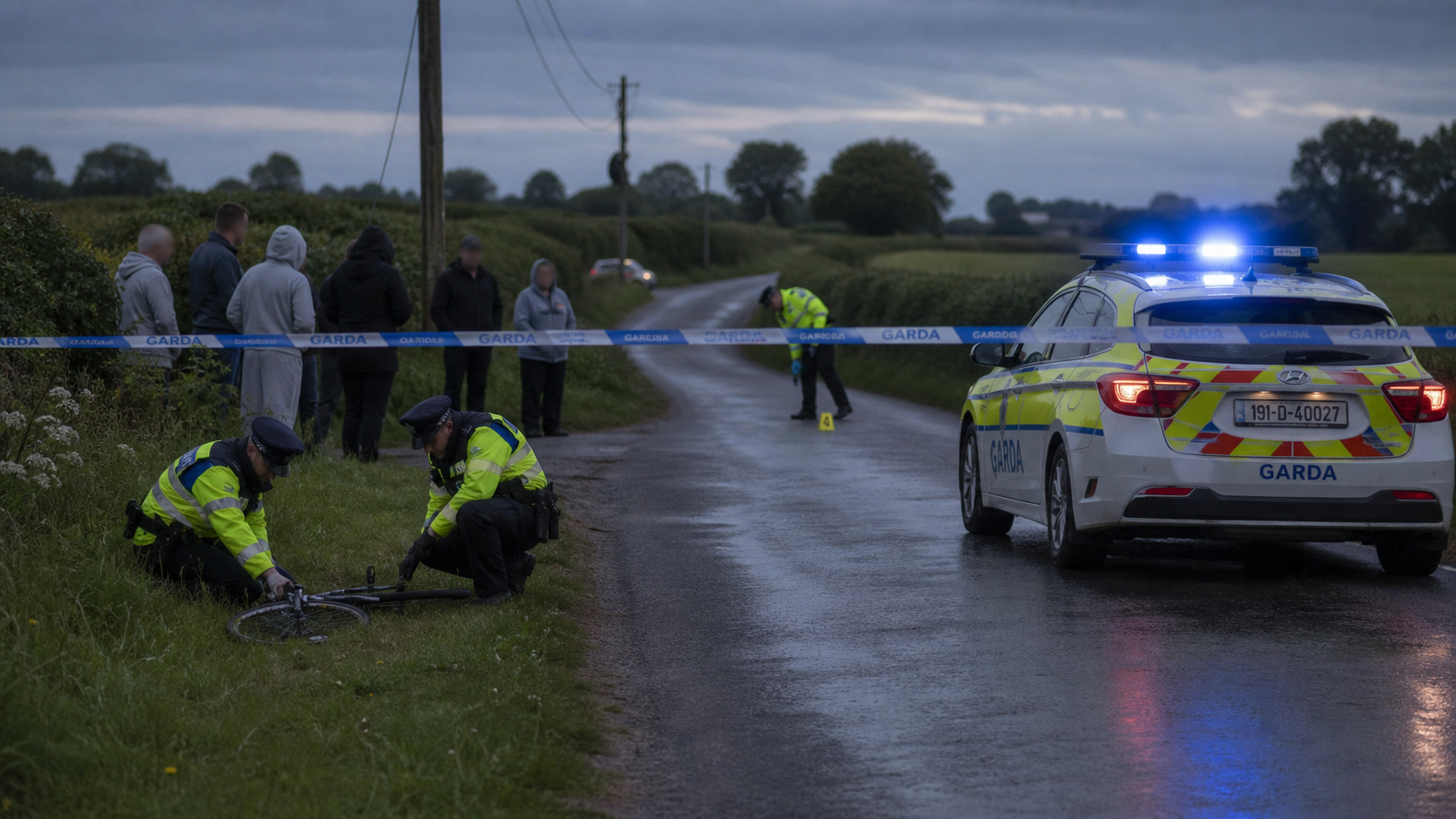
For Irish citizens, the practical implications of the intelligence deficit are difficult to quantify but real. The state's ability to detect and disrupt threats — whether from organised crime, terrorism, or hostile state actors — is constrained by the limitations of its intelligence infrastructure. The Garda Special Detective Unit has performed creditably within its remit, but it is a domestic security organisation, not a foreign intelligence service. The Defence Forces' military intelligence directorate is similarly focused on a relatively narrow range of functions. The gap between what Ireland has and what a country of its strategic importance arguably needs is significant, and the L'Express ranking has brought that gap into sharp relief.
What's Next
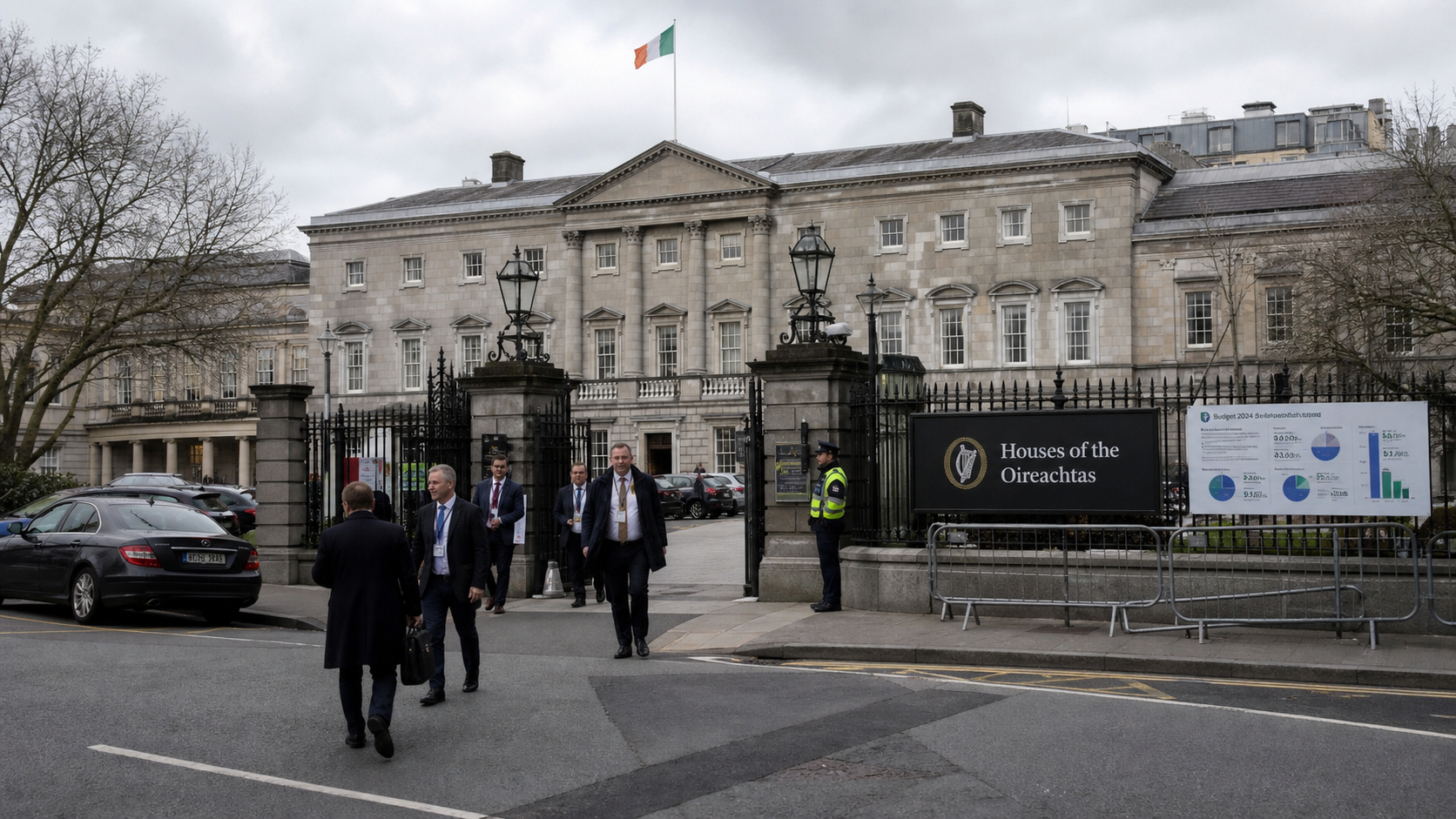
The government is expected to respond to the L'Express ranking in the coming days, with the Department of Defence and the Department of Justice both likely to be asked for comment. The Commission on the Defence Forces' 2022 recommendations on intelligence reform remain largely unimplemented, and opposition parties are expected to use the ranking as an opportunity to press the government on its timeline for action. A Dáil debate on defence and security policy is scheduled for the autumn session, and the intelligence question is likely to feature prominently. The government has previously indicated it is committed to strengthening Ireland's defence and security capabilities, but critics argue that the pace of change has been inadequate given the deteriorating European security environment.