Ireland Makes History as Basic Income for Artists Scheme Becomes World's First Permanent Programme
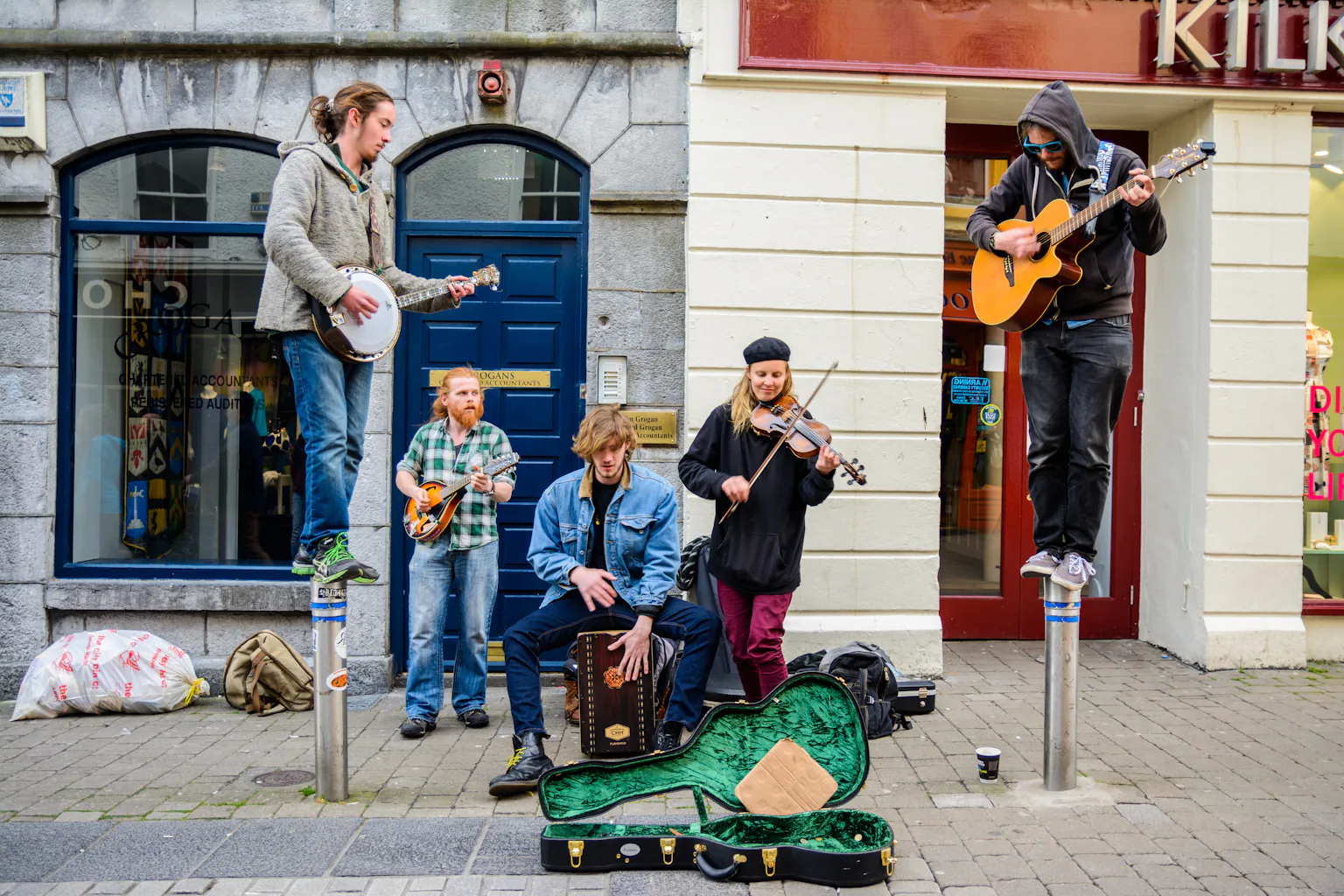
Ireland has made history by becoming the first country in the world to permanently establish a basic income scheme for a specific sector, with the government confirming that the Basic Income for the Arts programme — which provides a weekly stipend of €325 to artists — is now a permanent fixture of Irish cultural policy, offering a blueprint for governments worldwide.
The pilot scheme, launched in 2022 following a public consultation that saw 97% of 17,000 submissions support its continuation, supported over 2,000 artists and was found to have generated more than €100 million in economic and social benefits, making the case for its permanence overwhelming. Applications for the 2026–2029 cycle opened in April 2026.
Background
The Basic Income for the Arts pilot was introduced by the Irish government in 2022 in direct response to the devastating impact of the Covid-19 pandemic on the arts sector. Artists, musicians, writers, and performers were among the hardest hit by lockdowns and venue closures, and the scheme was designed to provide financial stability that would allow them to continue creating. The pilot was the first of its kind in the world for a specific sector.
From over 8,200 eligible applicants, 2,000 artists and creative workers were randomly selected to receive the weekly payment of €325. A control group of 997 artists who did not receive the payment was also established, with both groups participating in regular surveys to rigorously measure the scheme's impact. The pilot, originally planned for three years, was extended until February 2026 before being made permanent.
The scheme's origins lie in a recommendation from the Arts and Culture Recovery Taskforce, established in September 2020, which identified chronic financial instability as the defining challenge facing Ireland's creative workforce. The taskforce concluded that a basic income model offered the most effective structural solution.
Key Developments
The pilot's results were striking. BIA recipients spent an average of 11 more hours per week on their creative practice compared to the control group, and 3.5 fewer hours on non-arts work. Participants were 14 percentage points more likely to have completed new works, producing an average of 3.9 more pieces than their counterparts. Artists on the scheme also invested an average of €250 more per month into their practice, purchasing equipment, materials, and securing workspaces.
The scheme proved effective in retaining talent within the arts. While the percentage of control group artists who had not worked in the arts rose from 6% to 13.5% over the pilot period, the rate for BIA recipients remained stable at around 5%. A government-commissioned cost-benefit analysis found that for every €1 invested, the scheme generated €1.39 in value — a total socioeconomic benefit valued at over €100 million.
The proportion of artists experiencing enforced deprivation — the inability to afford two or more basic necessities — fell from over 56% to around 30% among recipients. Their average reliance on other social welfare payments decreased by approximately €100 per month. Recipients were also 15 percentage points less likely to feel downhearted or depressed, and 16 percentage points less likely to experience anxiety compared to the control group.
Why It Matters
Ireland's decision to make the scheme permanent is being watched closely by governments and arts organisations around the world. The programme demonstrates that targeted basic income schemes can deliver measurable economic and social returns, and could serve as a model for other countries considering similar initiatives. For Ireland's cultural sector, the permanent scheme provides the long-term security that artists need to plan their careers and take creative risks.
The scheme is not without its critics. The random, lottery-based selection process has been criticised for creating an uneven playing field, with some artists arguing it has caused division within the artistic community. Disability advocates have also highlighted a structural barrier: the BIA is treated as income from self-employment, which can negatively affect artists' eligibility for means-tested disability allowances and medical cards. The National Campaign for the Arts is among those calling for a significant expansion of the scheme's reach.
Local Impact
The contrast between the Republic's investment in its arts sector and the situation in Northern Ireland is stark. While Dublin champions a world-first support scheme, Belfast's arts sector has faced significant funding pressures in recent years, with cuts to Arts Council Northern Ireland budgets leaving many practitioners in precarious positions. The divergence in policy highlights two fundamentally different approaches to cultural investment on the island of Ireland. For artists in Belfast and across the North, the Republic's permanent scheme serves as both an inspiration and a pointed reminder of what targeted government investment can achieve. Cross-border arts organisations have called on Stormont to explore comparable support mechanisms for Northern Ireland's creative workforce.
What's Next
The government is expected to continue accepting applications for the 2026–2029 cycle of the permanent scheme, which will continue to provide €325 per week to 2,000 artists selected through an anonymised random process. A key condition of the new scheme is mandatory participation in ongoing data collection to ensure continued evaluation of its impact. Arts organisations across Ireland have welcomed the announcement and are calling for the scheme to be expanded to reach more artists in future cycles. Read the full Guardian report on the scheme becoming permanent and view the official application guidelines on Gov.ie.