Ireland Fuel Protests: Army Called In as Taoiseach Brands Cork Refinery Blockade 'Act of National Sabotage'
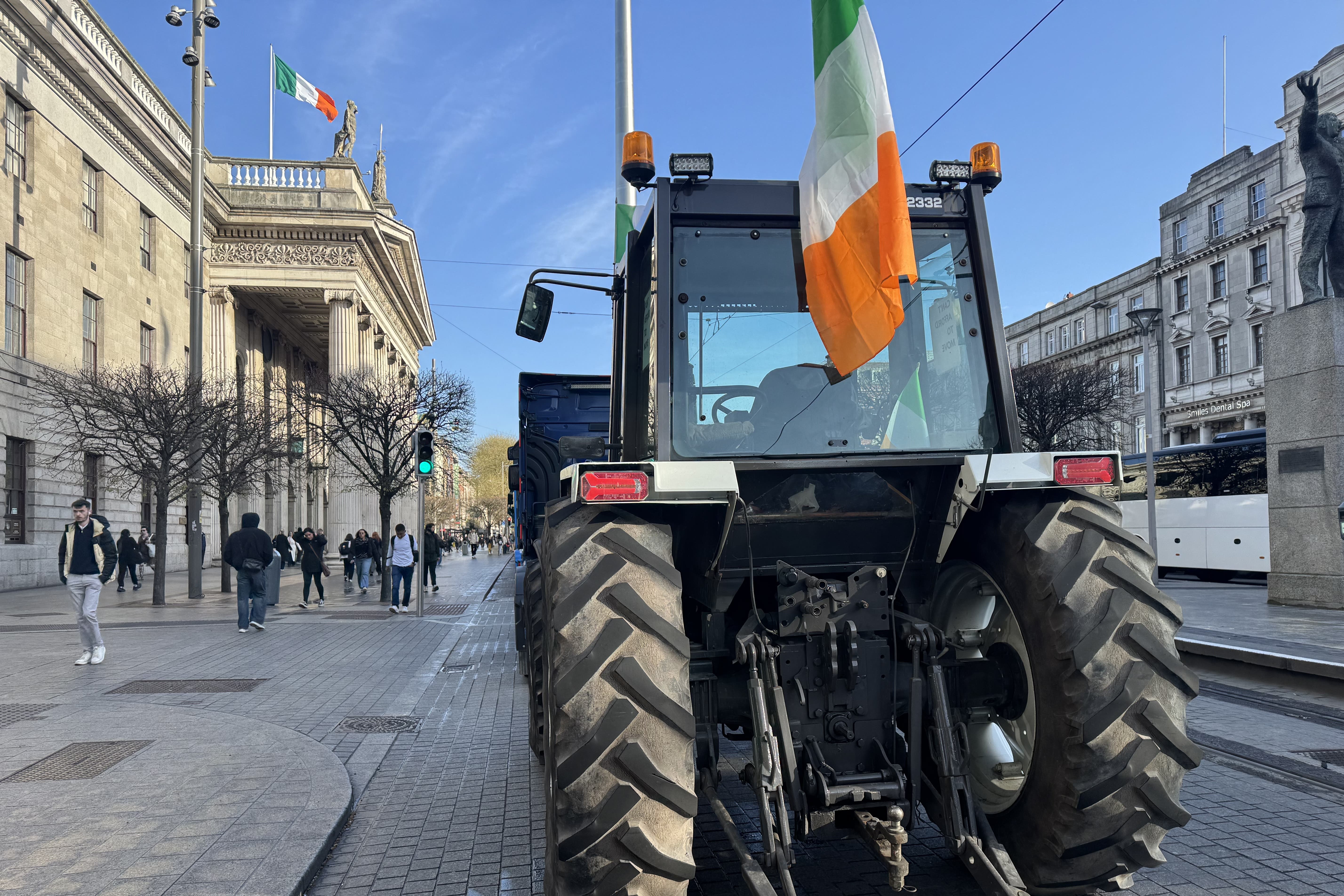
Ireland's fuel protests have entered their third day, with the government calling in the Defence Forces to remove vehicles blocking critical fuel infrastructure as Taoiseach Micheál Martin branded the blockade of the Whitegate oil refinery in Co Cork an "act of national sabotage" that threatens to leave homes and businesses without fuel. The protests, which began on 7 April and involve slow-moving convoys of tractors, trucks, and buses on motorways and blockades of major roads in Dublin and other cities, have caused widespread disruption across the country, with fuel shortages reported at hundreds of petrol stations and severe economic losses mounting by the hour.
Background
The immediate trigger for the protests was a dramatic increase in fuel prices in the weeks leading up to the demonstrations. Diesel prices had risen by approximately 28% and petrol prices by 25%, a surge attributed directly to the 2026 Iran conflict and the subsequent disruption to shipping in the Strait of Hormuz — a critical artery for global oil supplies. As RTÉ Brainstorm has reported, while Ireland does not import large volumes of oil directly from the Gulf region, it is fully exposed to global market pricing, and the disruption to the Strait of Hormuz — which carries approximately 25% of the world's oil supply — inevitably fed through to Irish pumps.
Fuel prices in Ireland are heavily influenced by government taxation, which accounts for around 57% of the price of petrol and 48% of the price of diesel. A key component of this taxation is the carbon tax, intended to discourage fossil fuel use but increasingly resented by rural communities and transport workers who have few viable alternatives. The protests are not an isolated Irish phenomenon: similar demonstrations by farmers and hauliers erupted across Europe in 2025 and 2026, including in France, Spain, the Netherlands, and Germany, reflecting a continent-wide sense of frustration among rural and working-class communities bearing the brunt of energy and environmental policies, as documented by Al Jazeera.
Key Developments
The protesters — a coalition of hauliers, farmers, and agricultural contractors — are demanding a cap on fuel prices: green diesel at 90 cent plus VAT, white diesel between €1.60 and €1.70 plus VAT, and a cap on petrol and kerosene. They are also calling for the removal of carbon tax and excise duty for an interim period. Dublin Bus routes and the Luas Green Line have been severely affected, with trams unable to operate between St Stephen's Green and Dominick due to blockades at O'Connell Bridge. Fuels For Ireland reported that approximately half of the country's fuel supplies are locked in terminals and at the Whitegate refinery, with petrol stations in Tipperary reporting delays in fuel deliveries and long queues at pumps.
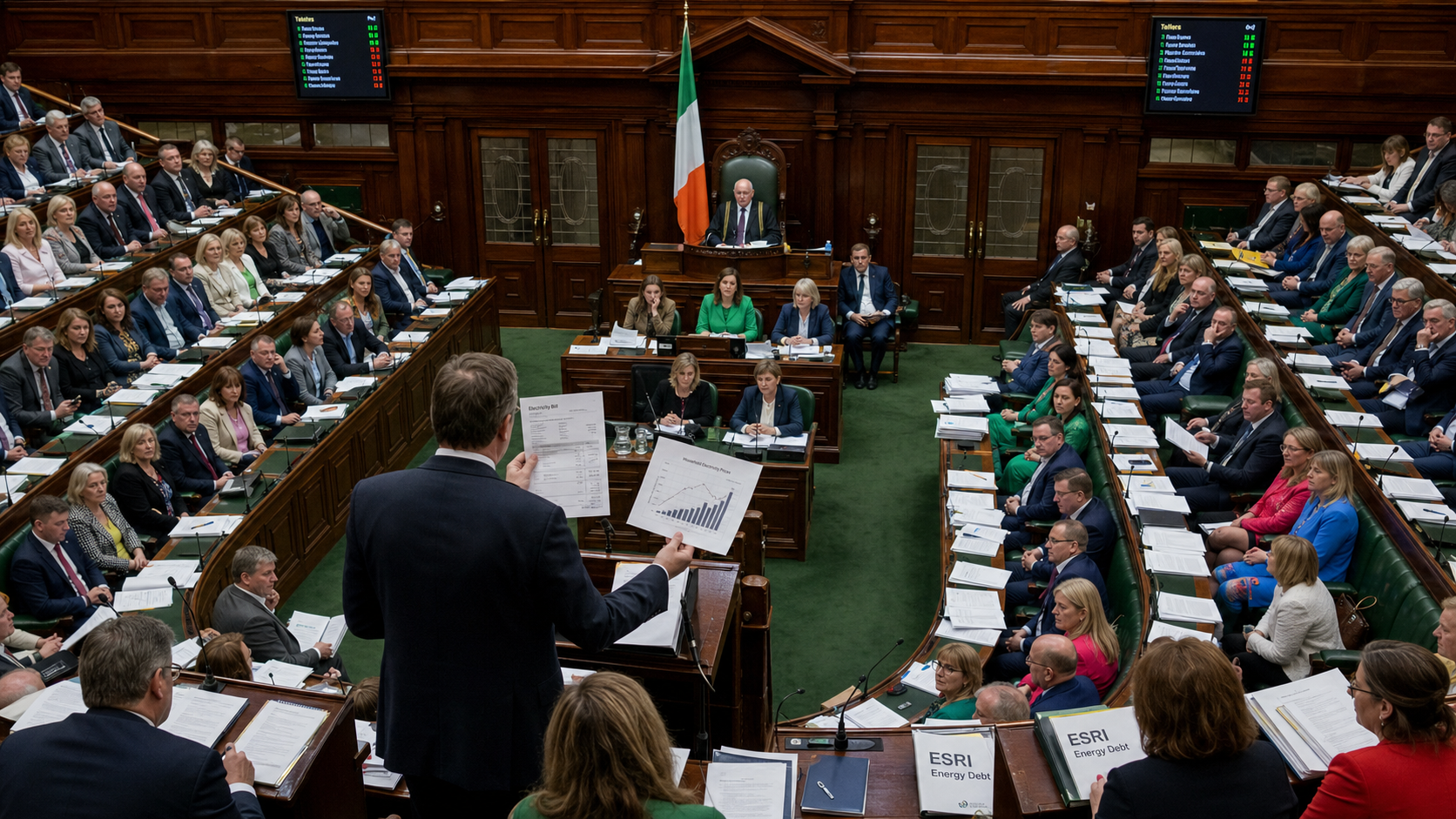
The government has taken a firm stance. Minister for Justice Jim O'Callaghan confirmed that the assistance of the Defence Forces has been requested to remove vehicles blocking fuel depots. Tánaiste Simon Harris characterised the blocking of fuel distribution as "a sinister and despicable attack on our economy and our society." Sinn Féin leader Mary Lou McDonald criticised the government for escalating the situation, urging the Taoiseach and Tánaiste to "pick up the phone" and engage with protesters rather than calling in the army. The Health Service Executive called for all approaches to medical facilities to be kept clear, with Dublin Fire Brigade reporting significant delays and the National Ambulance Service pleading for emergency lanes.
Why It Matters
The protests reflect deep frustration among rural communities and transport workers about the cost of fuel, and they expose a fundamental tension in Irish energy policy between environmental ambitions and economic reality. The government has announced a €505 million support package, including a 10-cent-per-litre reduction in excise duty on petrol and diesel and the postponement of a planned carbon tax increase from May to October 2026. But protesters insist this is insufficient and are demanding direct engagement at the highest level. The standoff also raises serious questions about the resilience of Ireland's energy infrastructure and its dependence on a single refinery for a significant portion of its fuel supply.
Local Impact
For Northern Ireland, the protests across the border carry direct economic implications. The open land boundary means that fuel price differentials between North and South have long influenced purchasing patterns, and any sustained disruption to fuel supplies in the Republic will be felt in border communities on both sides. Hauliers and farmers in counties Armagh, Fermanagh, and Tyrone are watching developments closely, aware that supply chain disruptions in the South can quickly ripple northwards. The protests also add political pressure on Stormont to address fuel costs in Northern Ireland, where prices have also risen sharply in the wake of the Middle East conflict.
What's Next
The Taoiseach stated that the government is "negotiating with a whole range of groups" but that citizens cannot engage through blockading. Protesters insist the action could be stopped "within a few minutes" if the government agreed to meet with them directly. The standoff shows no immediate sign of resolution, and with fuel supplies at critical levels in some parts of the country, the pressure on both sides to find a way forward is intensifying by the hour.