Ireland Faces Critical Engineer Shortage as New Research Warns 22,000 More Professionals Needed Over Next Decade
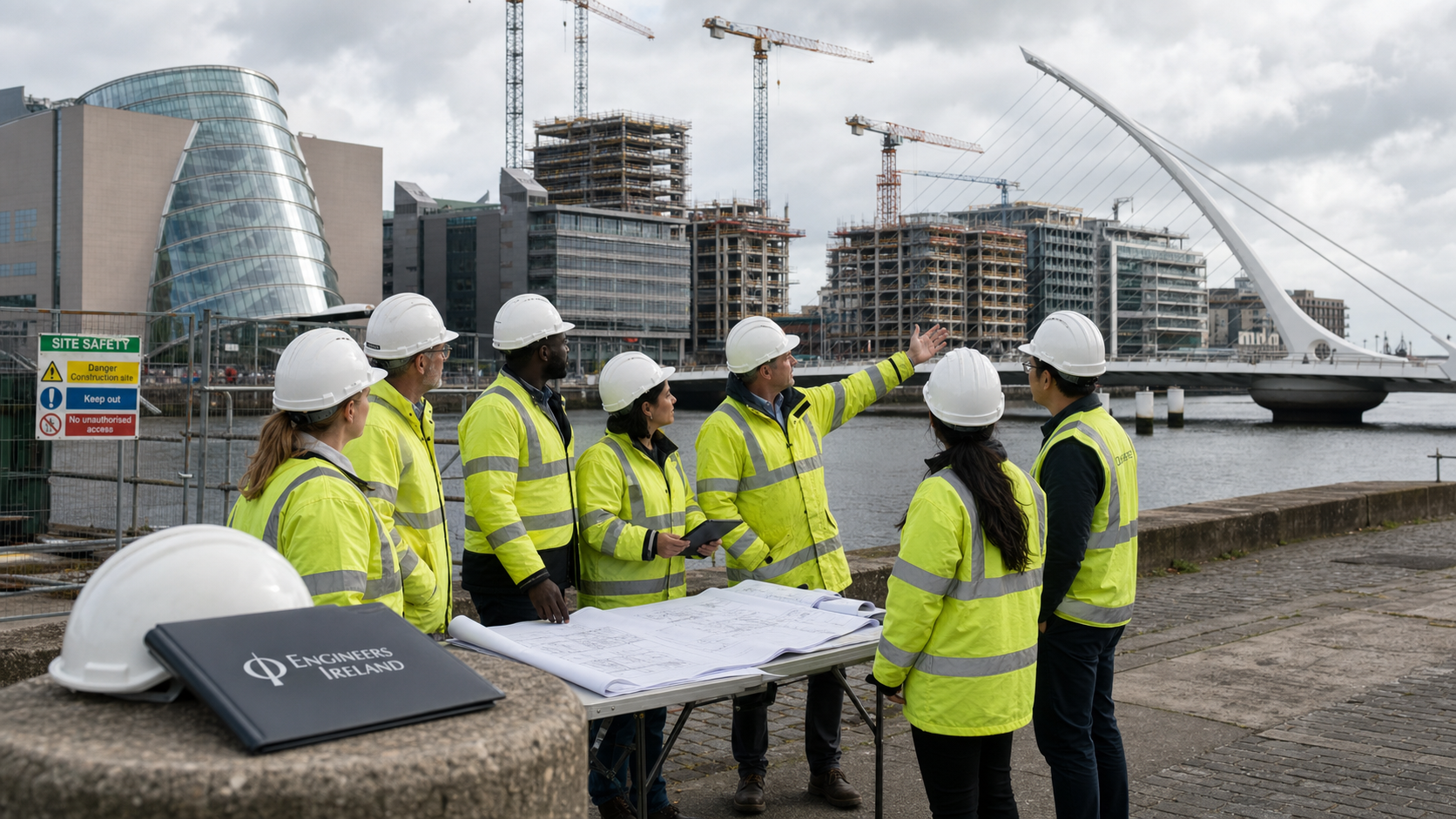
Ireland's ambitious plans to invest approximately €270 billion in housing, transport, energy, and water infrastructure over the coming decade are at serious risk due to a critical shortage of engineering talent, with new research from Engineers Ireland warning that the country needs more than 22,000 additional engineers over the next ten years while currently facing a shortfall of up to 6,000 professionals — a gap that is already causing delays to housing delivery and major infrastructure projects including MetroLink, DART+, and the FourNorth railway expansion.
Background
Engineering is the invisible backbone of modern Ireland. Every house that is built, every road that is laid, every water main that is installed, and every wind turbine that is erected requires engineering expertise at multiple stages of the process. The profession contributes an estimated €12.65 billion to the Irish economy annually, and its practitioners are involved in virtually every significant infrastructure project in the country.
The shortage of engineers in Ireland is not a new problem, but it has become significantly more acute in recent years as the scale of the state's infrastructure ambitions has expanded. The National Development Plan, the Housing for All strategy, the Climate Action Plan, and the various sectoral plans for transport, energy, and water all make demands on engineering capacity that the current workforce cannot meet. The result is a situation in which projects are delayed not because of a lack of funding or political will, but because there are not enough qualified engineers to design, manage, and deliver them.
The problem is compounded by the global competition for engineering talent. Ireland is not the only country seeking to expand its infrastructure capacity, and Irish engineers are in demand in the United Kingdom, Australia, Canada, and the United States, where salaries and conditions are often more attractive than those available at home. The profession's gender imbalance — only about one in eight engineers in Ireland are women — further constrains the available talent pool.
Key Developments
The Engineering 2026 — A Barometer of the Profession in Ireland report, published by Engineers Ireland, provides the most comprehensive picture yet of the scale of the challenge. The report found that 47% of engineers describe housing infrastructure as inadequate, reflecting the profession's frustration at being asked to deliver more with less. More than 40% of engineering employers report that filling vacancies now takes between three and six months, a figure that has significant implications for project timelines and costs.
The graduation rate for engineering in Ireland is a particular concern. In 2024, only 10% of Irish third-level graduates qualified in engineering, manufacturing, or construction — well below the OECD average of 13% and significantly behind countries like Germany (21%) and Austria (19%). Engineers Ireland's pre-Budget 2027 submission calls for an increase in places on accredited engineering courses, the inclusion of integrated master's degrees in the Free Fees Initiative, and the expansion of engineering apprenticeship programmes.
The report also highlights the specific challenges posed by the data centre and artificial intelligence sectors, which are competing with housing and public infrastructure for the same pool of engineering talent. Ireland's position as a major hub for technology companies has created a situation in which the private sector is drawing engineers away from public infrastructure projects, exacerbating the shortage in areas where the state has the greatest need.
Why It Matters
The engineering shortage is not an abstract policy problem — it has direct consequences for the lives of ordinary people in Ireland. Every delay to a housing development, every postponed road upgrade, every deferred water infrastructure project represents a real impact on real communities. The housing crisis, which has dominated Irish political discourse for years, cannot be resolved without the engineering capacity to design and build the homes that are needed. The same is true of the transport infrastructure that would make those homes accessible and the water infrastructure that would make them habitable.
The shortage also has implications for Ireland's climate commitments. The transition to renewable energy, the electrification of transport, and the retrofitting of the existing housing stock all require engineering expertise on a scale that the current workforce cannot provide. Ireland has committed to ambitious emissions reduction targets, but those targets will not be met if the engineering capacity to deliver the necessary infrastructure is not available.
For context, the engineering shortage in Ireland is more severe than in most comparable European countries. The combination of a small domestic talent pool, high emigration rates among engineering graduates, and the competing demands of the technology sector has created a perfect storm that requires a coordinated policy response rather than piecemeal interventions.
Local Impact
The impact of the engineering shortage is felt most acutely in the areas where infrastructure need is greatest. In Dublin, the delays to MetroLink and DART+ have been attributed in part to the difficulty of assembling the engineering teams required for projects of this scale and complexity. In Cork, the ongoing challenges with water infrastructure — including the raw sewage contamination of the Lee that was reported earlier this week — reflect a system that has been under-engineered for decades. In Galway, the long-delayed bypass project has been hampered by engineering capacity constraints as well as planning difficulties.
For local authorities across the country, the engineering shortage manifests as an inability to deliver the housing and infrastructure projects that their communities need. County councils in Leitrim, Roscommon, and other rural counties have reported particular difficulty in attracting and retaining engineering staff, as the salary differential between the public and private sectors makes it difficult to compete for talent.
What's Next
Engineers Ireland's pre-Budget 2027 submission will be considered by the Department of Further and Higher Education in the coming weeks. The organisation is calling for a national campaign to promote engineering as a career, specifically targeting young people and women, and for a review of the legal restrictions on nuclear energy as part of a broader assessment of Ireland's energy infrastructure options. The Budget, expected in October, will be a key test of whether the government is prepared to make the investment in engineering education and training that the profession says is necessary to address the shortage.