Ireland Badly Off Track on Climate Retrofit Targets with 404,000 Homes Still to Upgrade
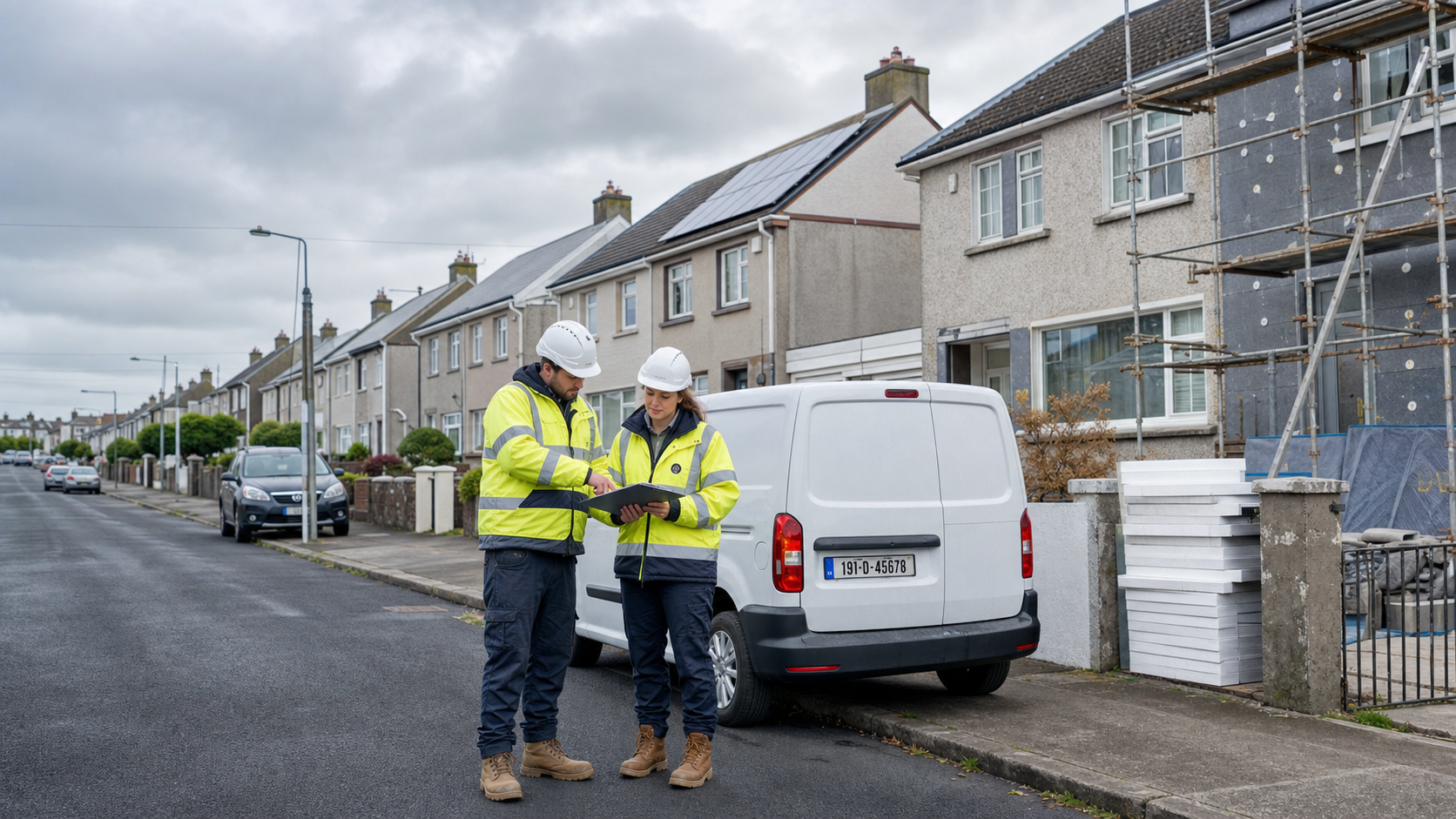
Ireland faces a daunting challenge in meeting its residential energy efficiency targets, with new figures revealing that 404,000 homes must be retrofitted to a B2 Building Energy Rating in the next three and a half years if the country is to hit its 2030 climate goals. With only approximately 55,893 homes having reached that standard by the end of 2025, the government must achieve a near-fivefold increase in the annual rate of deep retrofits — a target that independent analysts describe as extremely ambitious given current progress.
Background
Ireland's Climate Action Plan set a target of completing 500,000 deep energy efficiency upgrades — achieving a Building Energy Rating of B2 or better — by 2030. The target was designed to reduce the residential sector's contribution to Ireland's greenhouse gas emissions, which remain among the highest per capita in the European Union. The plan also set a target of installing 400,000 heat pumps in existing dwellings by 2030, replacing the oil and gas boilers that currently heat the vast majority of Irish homes.
The residential sector is a critical battleground in Ireland's climate fight. Buildings account for a significant share of the country's total energy consumption, and the stock of older, poorly insulated homes — many of them built before modern energy efficiency standards were introduced — represents both a major source of emissions and a significant opportunity for reduction. A well-insulated home with a heat pump is dramatically more energy-efficient than an older property heated by an oil boiler, and the benefits extend beyond emissions reduction to include lower energy bills and improved comfort for residents.
The government has invested heavily in retrofit incentives, with the Sustainable Energy Authority of Ireland administering a range of grant schemes that can cover a substantial portion of the cost of deep retrofits. Despite this investment, progress has been slow. The median cost of a deep retrofit remains high — ranging from over €16,000 for apartments to over €42,000 for detached houses even after grants — and many homeowners have been reluctant to commit to the disruption and expense involved.
Key Developments
The Irish Examiner reported on Monday that the government must retrofit 404,000 homes to a B2 rating in the next three and a half years to meet its 2030 target. This figure is derived from the gap between the 500,000-home target and the approximately 55,893 homes that had reached B2 standard by the end of 2025. To close that gap, the annual rate of deep retrofits would need to increase from the current level to approximately 75,000 homes per year — a pace that has never been achieved in Ireland.
The situation with heat pumps is even more challenging. By the end of 2024, only about 14,000 heat pumps had been installed in existing dwellings — roughly 3.5% of the 400,000 target. At the current pace, projections suggest that only about 13% of the heat pump target will be met by 2030. The Climate Change Advisory Council has warned that the built environment sector is projected to exceed its 2026-2030 sectoral emissions ceiling by 22% for residential buildings and 62% for commercial and public buildings.
The social housing sector presents a particular challenge. Local authorities must increase their output to 5,000 social home retrofits per year to reach a target of 36,500 by 2030, but only 10,370 social homes were retrofitted in the five years leading up to 2026. The gap between target and delivery in the social housing sector is proportionally even larger than in the private sector.
Why It Matters
Ireland's failure to meet its retrofit targets matters for several reasons. At the most immediate level, it means that the country will miss its legally binding climate commitments, with consequences for Ireland's standing in the EU and potential financial penalties under the EU's Effort Sharing Regulation. At a deeper level, it means that hundreds of thousands of Irish households will continue to live in poorly insulated homes, paying higher energy bills and contributing more to climate change than they need to.
The retrofit challenge also has a social dimension. The homes that are hardest to retrofit — older, larger, detached properties in rural areas — are often occupied by older people on fixed incomes who cannot afford the upfront costs even with generous grant support. The homes that are easiest to retrofit — newer, smaller, urban properties — are often already relatively energy-efficient. Closing the gap between target and delivery will require a much more targeted approach to reaching the households that most need support, rather than simply making grants available and hoping that homeowners will apply.
Unlike the UK, which has struggled with similar challenges but has at least developed a more sophisticated understanding of the barriers to retrofit uptake, Ireland has been slow to move beyond a grant-based model to address the structural barriers — access to finance, disruption, lack of trusted contractors — that prevent many homeowners from engaging with the programme.
Local Impact
The retrofit challenge is felt differently in different parts of Ireland. Rural counties — Roscommon, Leitrim, Longford, and parts of Connacht and Munster — have a higher proportion of older, poorly insulated homes and a lower density of retrofit contractors, making the challenge both greater and harder to address. Urban areas, particularly Dublin, have a higher proportion of apartments and newer properties that are already relatively energy-efficient, but also a large stock of older terraced houses in areas like the Liberties, Stoneybatter, and Inchicore that require significant investment. The SEAI's regional data shows significant variation in retrofit uptake across the country, with some counties performing well above the national average and others lagging significantly behind.
What's Next
The government is expected to publish an updated Climate Action Plan later this year that will address the gap between current progress and the 2030 targets. Options under consideration include increasing grant levels, introducing low-interest retrofit loans, and developing a one-stop-shop model that makes it easier for homeowners to navigate the retrofit process. The Climate Change Advisory Council has called for a more ambitious and targeted approach, and its recommendations are expected to inform the updated plan. The Dáil's Joint Committee on Environment and Climate Action is also conducting an inquiry into retrofit delivery, with a report expected before the end of 2026.