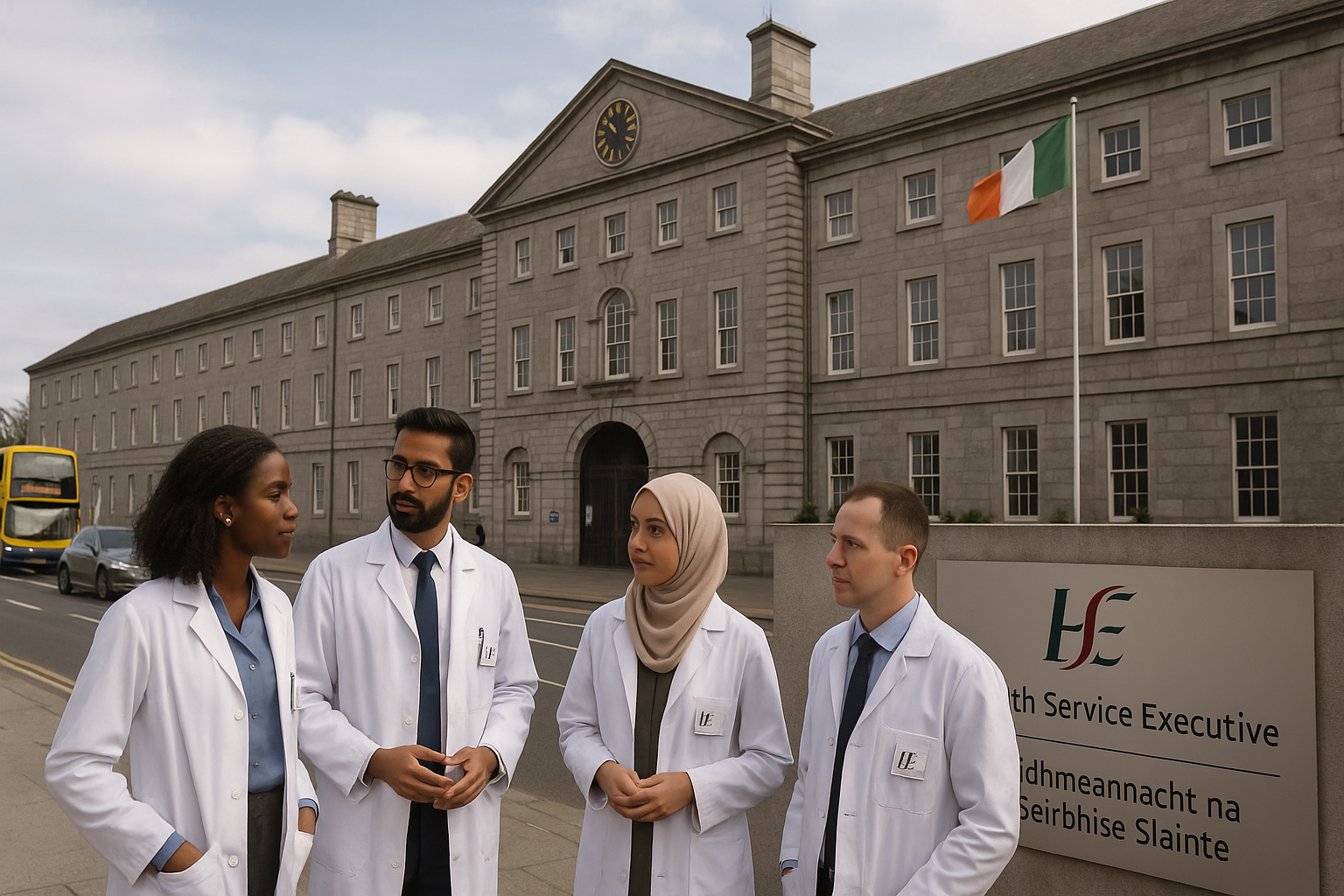
Ireland Recruits 28 Foreign Medical Specialists to Bolster Healthcare System
Ireland has appointed 28 foreign medical specialists to senior roles within the Health Service Executive (HSE), a significant move aimed at addressing critical workforce gaps in the country’s healthcare system. The appointments, which have been made across a range of specialties, are part of a wider strategy to attract and retain top medical talent from around the world.
Background
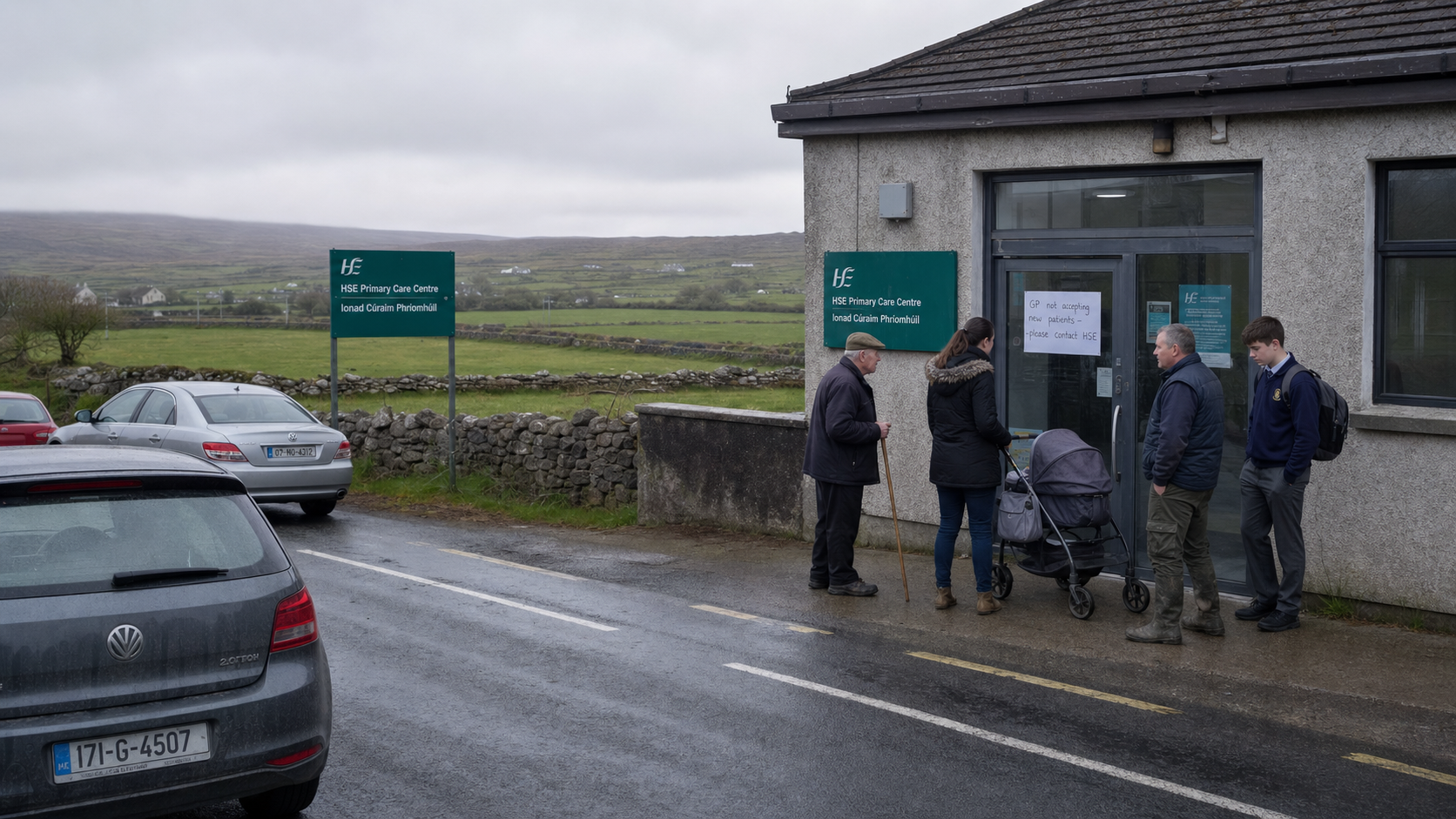
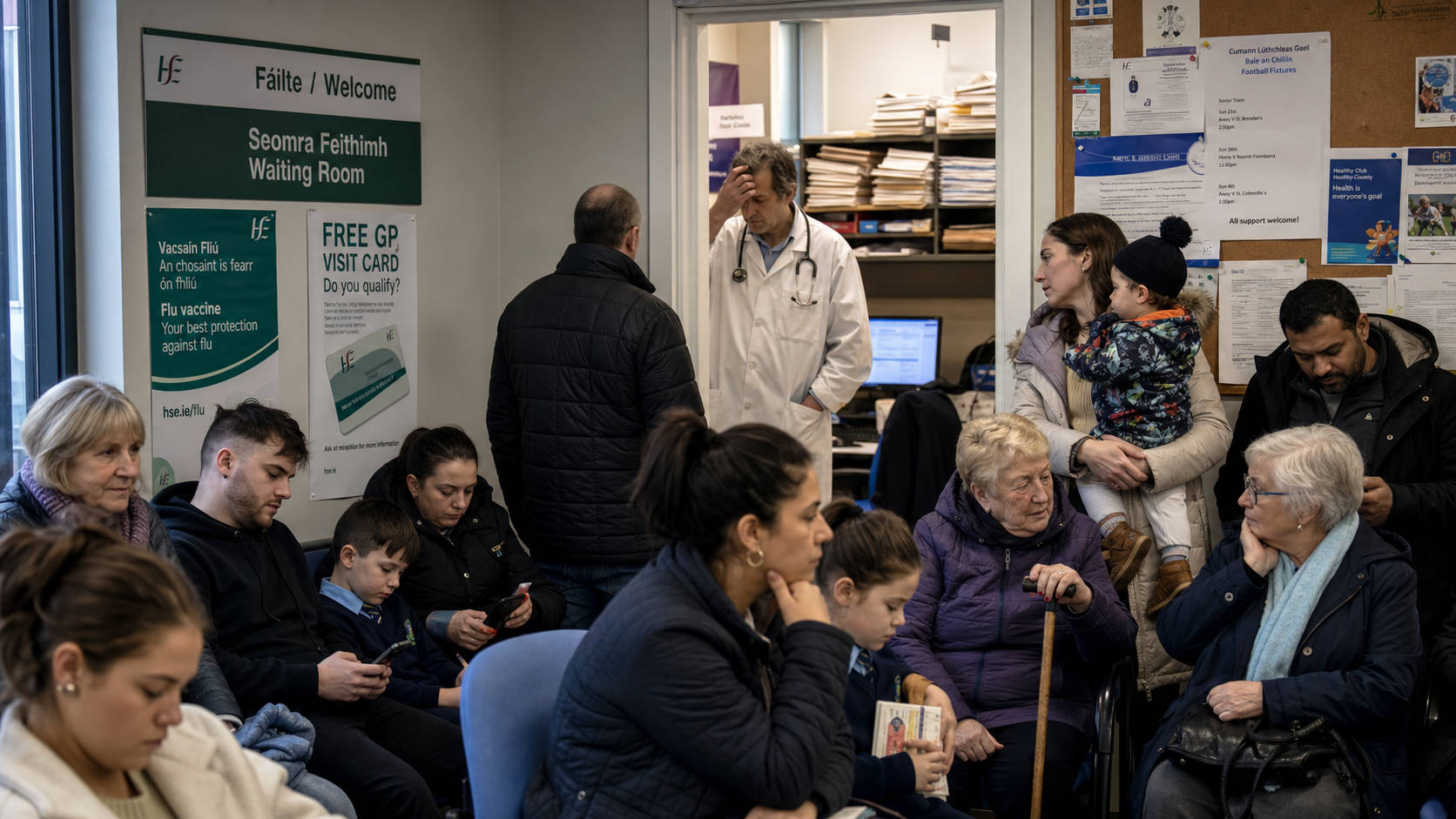
The Irish healthcare system has been grappling with a chronic shortage of medical specialists for many years. The problem is particularly acute in certain specialties, such as emergency medicine, psychiatry, and radiology. The shortages have led to long waiting lists for patients, increased pressure on existing staff, and a reliance on expensive agency staff. The issue has been exacerbated by a “brain drain” of Irish-trained doctors, who are often lured abroad by better pay and working conditions.
The government has made tackling the workforce crisis a top priority, and it has implemented a number of initiatives to attract and retain medical staff. These include a new contract for hospital consultants, which offers improved pay and conditions, and a major international recruitment campaign. The government has also invested in expanding the number of medical school places in Ireland, but it will be several years before these new graduates are able to fill the current gaps.
Key Developments
The appointment of 28 foreign medical specialists is a significant step forward in the government’s efforts to address the workforce crisis. The new recruits, who come from a range of countries, including India, Pakistan, and Egypt, will take up posts in hospitals across the country. They will fill vacancies in a number of key specialties, including emergency medicine, anaesthesia, and paediatrics. The appointments have been made following a rigorous recruitment process, which included a comprehensive assessment of the candidates’ qualifications and experience.
The HSE has said that the new recruits will make a major contribution to the Irish healthcare system. They will bring a wealth of experience and expertise, and they will help to reduce waiting lists and improve the quality of care for patients. The HSE has also said that it is committed to providing a supportive and welcoming environment for the new recruits, and it has put in place a comprehensive induction programme to help them to settle into their new roles.
Why It Matters
The appointment of these foreign medical specialists is a pragmatic and necessary response to a long-standing problem. While the long-term solution to the workforce crisis lies in training and retaining more Irish doctors, international recruitment has a vital role to play in the short to medium term. The new recruits will help to alleviate the immediate pressure on the healthcare system, and they will ensure that patients continue to receive the high-quality care they need. The move is also a recognition of the global nature of the medical profession and the benefits of attracting talent from around the world.
Local Impact
The impact of these appointments will be felt in hospitals and communities across Ireland. The new specialists will help to reduce waiting times for appointments and procedures, and they will improve access to specialist care, particularly in rural areas. The appointments will also help to relieve the pressure on existing staff, who have been working under immense strain for many years. For patients in Northern Ireland, who often have to travel to the Republic for specialist treatment, the strengthening of the Irish healthcare system is a positive development. A more resilient and well-staffed healthcare system in the South is good for the entire island.
What's Next
The HSE has said that it will continue to actively recruit medical specialists from around the world. The agency is planning to run a number of international recruitment fairs in the coming months, and it is also working to streamline the process for registering foreign-trained doctors in Ireland. The government is also committed to implementing the new consultant contract, which it hopes will make Ireland a more attractive destination for doctors. The road to solving the healthcare workforce crisis will be a long one, but the appointment of these 28 specialists is a significant step in the right direction.
Attribution: The Irish Times, HSE