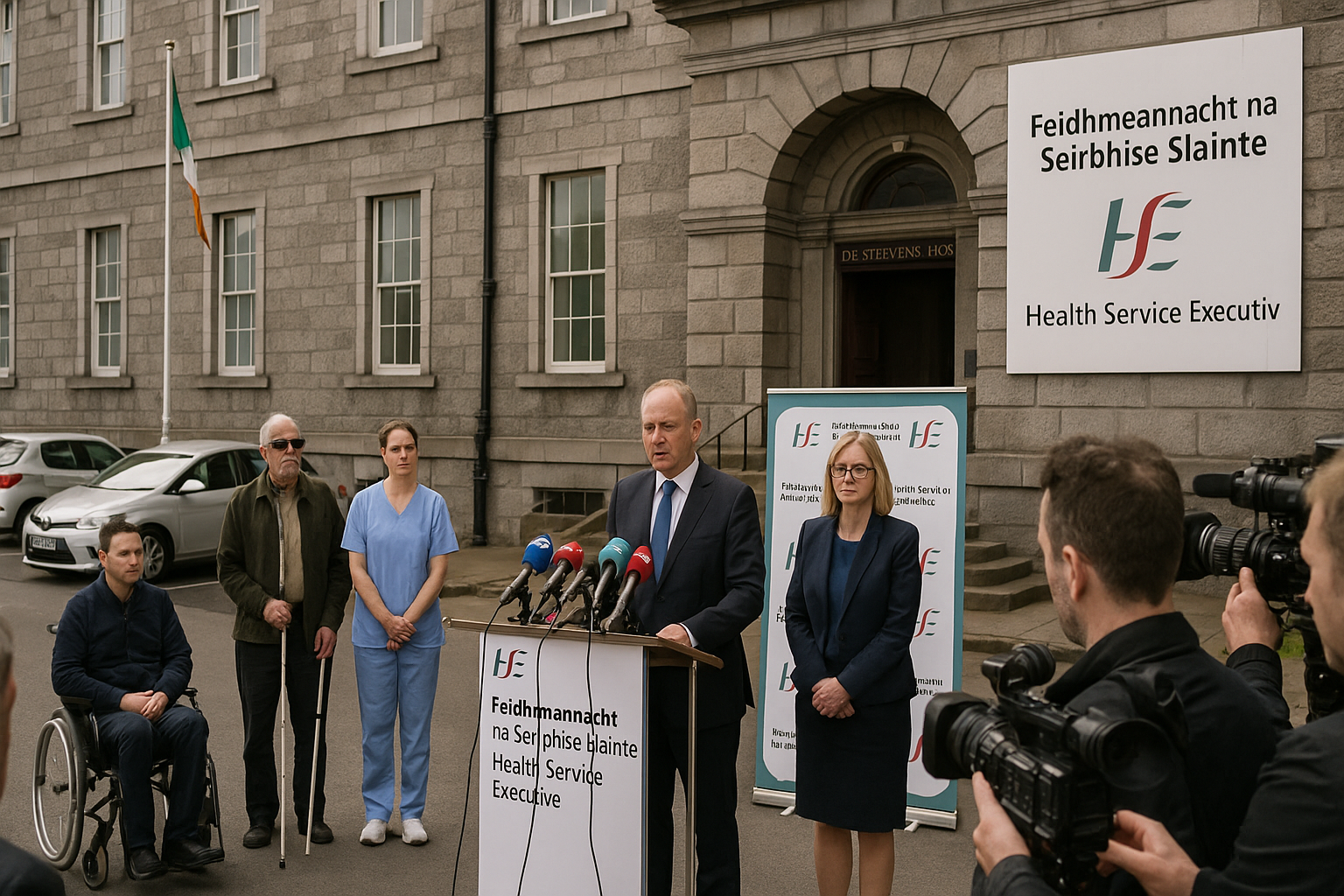
HSE Launches €29 Billion National Service Plan with Record Disability Investment
Ireland's Health Service Executive has published its National Service Plan for 2026, backed by a total budget of €29 billion and featuring a landmark €3.8 billion investment in disability services — a 20% increase from 2025 — alongside ambitious targets to reduce waiting times and expand community-based care across the country. The plan, which also includes approximately €1.3 billion in capital investment for health infrastructure, represents the most comprehensive roadmap for Irish healthcare delivery in recent years and signals a decisive shift towards community-based, digitally-enabled care.
The plan outlines the delivery of 428 new community beds and 177 new acute beds, five new operational surgical hubs to increase capacity for elective procedures, and an expansion of home support to 26.7 million hours with services extended into evenings and weekends. Mental health services will receive 300 new posts, including new specialist nursing teams in emergency departments and three new community-based Crisis Resolution Teams. The plan also targets a Whole Time Equivalent workforce limit of 136,606, reflecting the scale of the staffing investment required to deliver the expanded services.
Background
The HSE has been under sustained pressure to reduce waiting times for both emergency and scheduled care, with data from late 2025 revealing that 894,369 patients were on hospital waiting lists — an increase of over 86,300 compared to December 2024. Of these, 611,987 were waiting for a first outpatient clinic assessment and 107,181 for an inpatient or day case procedure. By the end of 2025, 64% of all patients on a hospital waiting list were waiting longer than the Sláintecare target times of 10 weeks for an outpatient appointment and 12 weeks for an inpatient procedure, with 7,540 adults and 510 children waiting 18 months or more.
The 2026 plan is designed to advance the goals of Sláintecare and the HSE Corporate Plan 2025-2027, focusing on creating a more equitable, accessible, and responsive system for Ireland's growing and ageing population. The Department of Health, the HSE, and the National Treatment Purchase Fund are finalising a 2026 Waiting List Action Plan to address the backlogs, with the Department noting a 58% reduction in patients waiting over 12 months since September 2021 as evidence that the strategy is beginning to yield results.
Key Developments
The record investment in disability services is particularly significant, aligning with the new National Human Rights Strategy for Disabled People 2025-2030. The €3.8 billion allocation will fund residential services for over 9,000 people, with over €2.2 billion directed to this area. An additional €24.5 million will create approximately 1,400 new day service places for school leavers, while a €20 million initiative aims to deliver 6,000 to 6,500 clinical Assessments of Need for children to reduce waiting lists. The budget will also enable 10,000 people to avail of 5.5 million hours of Personal Assistance or Home Support, and the base rate of the Wage Subsidy Scheme will increase from €6.30 to €7.50 per hour.
Digital health initiatives are a central component of the plan. The Maternity and Newborn Electronic Health Record system is scheduled for deployment in four additional maternity units, a vendor for a national EHR will be selected, and the Shared Care Record will be implemented in the Dublin South East region and commence in two other health regions. The patient-facing HSE Health App is set for three major functionality releases. As HSE.ie reports, the plan represents a significant step forward in the transformation of Irish healthcare.
Why It Matters
The record investment in disability services reflects a long-standing commitment to improving the quality of life for people with disabilities in Ireland, though advocacy groups have raised concerns about remaining gaps. The Disability Federation of Ireland has described aspects of the budget as a "devastating setback" for disabled individuals unable to work, noting that even with the Disability Allowance increase to €254 per week, it covers less than half of the estimated extra weekly costs faced by a person with a disability. The expansion of community-based care is also a key priority, as it is widely recognised that keeping people well and supported in their own homes and communities is both better for patients and more cost-effective for the health system. The five new surgical hubs are expected to make a significant contribution to reducing the elective care backlog that has built up over recent years.
Local Impact
For patients and families across Ireland, the 2026 plan offers the prospect of meaningful improvements in access to care, though the scale of the waiting list challenge means that progress will take time to be felt. The expansion of home support hours and the extension of services into evenings and weekends will be particularly significant for older people and those with disabilities who rely on these services to remain living independently in their communities. The investment in Children's Disability Network Teams — with 150 additional staff to be recruited and funding to support approximately 45,000 children — addresses one of the most acute pressure points in the system, where families have faced unacceptably long waits for assessments and interventions. As the Department of Health has confirmed, the plan is backed by the largest health budget in the history of the state.
What's Next
Implementation of the plan is already underway, with the HSE working to recruit the additional staff needed to deliver the expanded services. The 2026 Waiting List Action Plan is expected to be finalised and published in the coming weeks, setting out specific targets and timelines for reducing the backlog. The completion of the National Children's Hospital of Ireland remains a landmark objective within the plan's timeframe, and its opening will represent a transformative moment for paediatric healthcare in Ireland. Progress against the plan's targets will be monitored and reported publicly throughout the year.