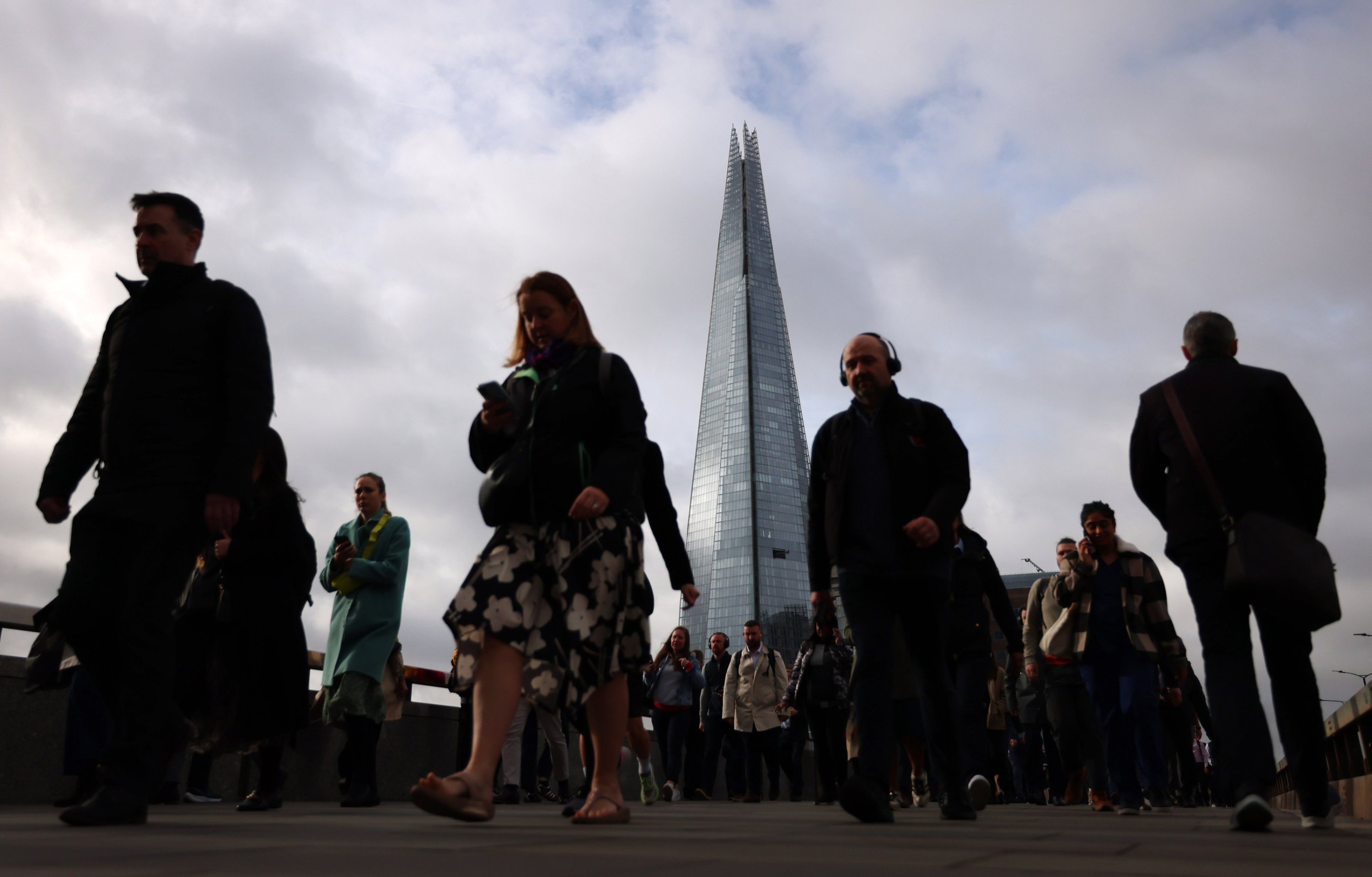
IMF Downgrades UK Growth Forecast as Unemployment Rises to 5.2%
The International Monetary Fund has downgraded its growth forecast for the UK economy to just 0.8% for 2026, as unemployment climbs to 5.2% and inflation is expected to reach 3.2% — painting a challenging picture for British households and businesses despite a stronger-than-expected GDP reading in February.
The UK economy grew by 0.5% in February 2026, exceeding forecasts and providing a brief moment of optimism. However, economists warn that the underlying picture remains difficult, with businesses facing what one analyst described as a "double whammy" of rising energy costs and higher borrowing costs.
Background
The UK economy has been navigating a difficult period characterised by persistent inflation, elevated interest rates, and the ongoing impact of global supply chain disruptions. The conflict in Iran has added further pressure, driving up energy prices and contributing to the forecast rise in inflation.
The UK tax burden is projected to reach 42.1% of GDP by 2031, the highest level in post-war history, adding to concerns about the long-term competitiveness of the British economy.
Key Developments
The IMF's downgrade reflects a broader reassessment of global growth prospects in the context of geopolitical instability and tightening financial conditions. The UK's growth forecast of 0.8% for 2026 is significantly below the government's own projections and represents a marked slowdown from recent years.
Rising unemployment, now at 5.2%, is a particular concern for Chancellor Rachel Reeves, who has staked her economic credibility on delivering growth and improving living standards. The Chancellor has encouraged de-escalation of the Middle East conflict, citing the impact of rising energy costs on UK households and businesses.
Why It Matters
For millions of UK households already struggling with the cost of living, the combination of rising unemployment, higher inflation, and elevated energy bills represents a significant squeeze on living standards. Energy bills are forecast to rise by 18% from July 2026, reaching an average of £1,929 annually.
What's Next
The Bank of England's Monetary Policy Committee will be closely watching the inflation data as it considers the timing of any further interest rate adjustments. The government faces difficult choices about how to support households while maintaining fiscal discipline.
Read more at CPA Business News.