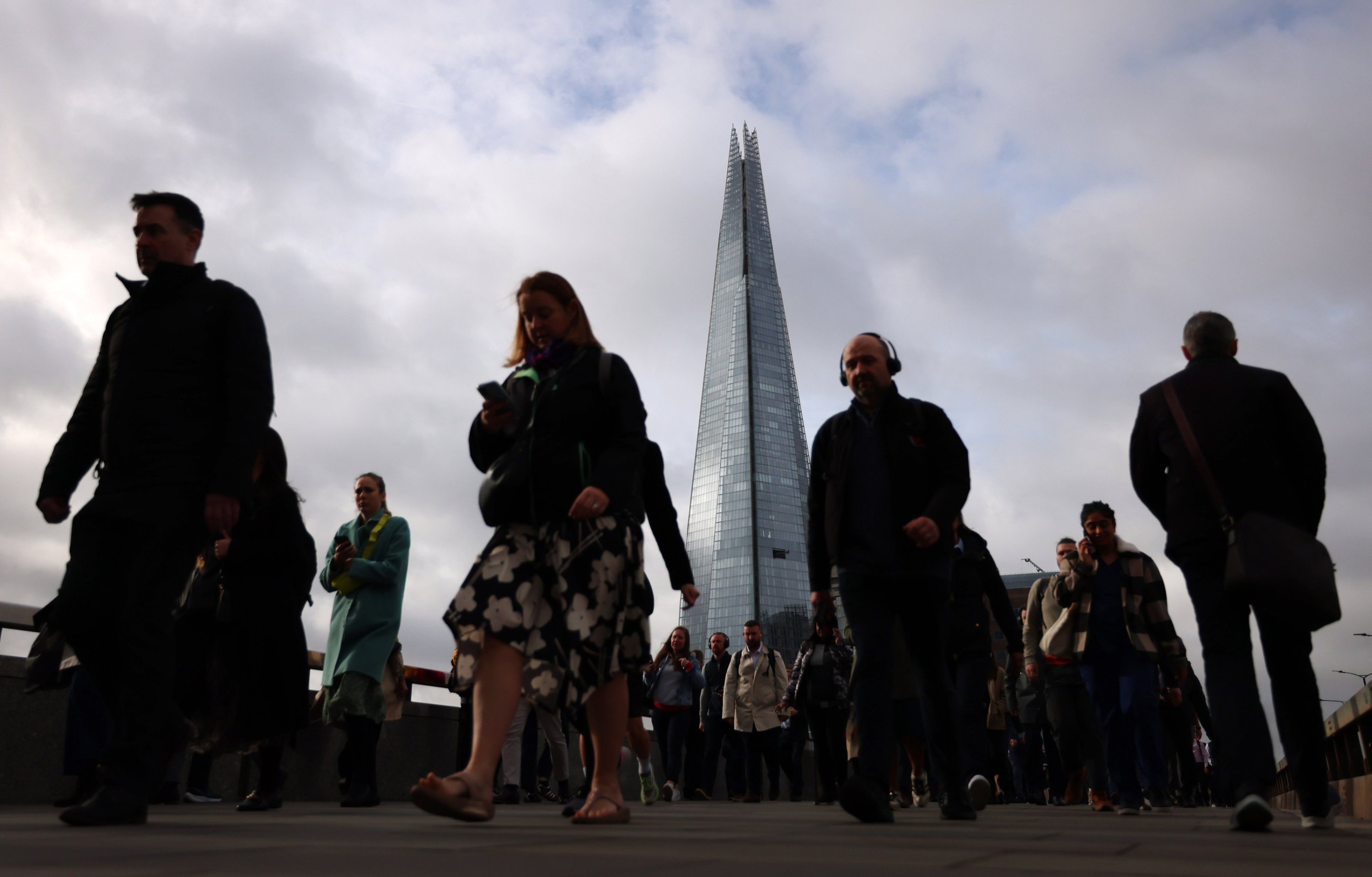
UK Economy 'Flirting with Recession' as Growth Forecasts Slashed and Job Losses Loom
The UK economy is on the brink of recession, with the EY Item Club warning that growth will halve to just 0.7% in 2026 and up to 250,000 jobs could be lost by mid-2027 as spiralling energy costs, shattered business confidence, and Middle East tensions take their toll.
The grim assessment follows the IMF's own downgrade of UK growth to 0.8%, painting a bleak picture for British households and businesses already struggling with the cost-of-living crisis.
Background
The UK economy has faced persistent headwinds since the post-pandemic recovery stalled, with high inflation, elevated interest rates, and weak consumer spending combining to suppress growth. The ongoing conflict in the Middle East has added a new layer of uncertainty, particularly through its impact on global energy markets.
Key Developments
The EY Item Club's forecast represents a dramatic deterioration from earlier projections. Economists cite three primary drivers: spiralling energy costs linked to the closure of the Strait of Hormuz, a collapse in business confidence, and the knock-on effects of global trade disruption. Unemployment is predicted to climb to 5.8%, with the most vulnerable sectors including hospitality, retail, and manufacturing.
The Guardian's analysis suggests that the 250,000 job losses figure could be conservative if the Middle East situation deteriorates further, with some economists warning of a more severe contraction if energy prices remain elevated through the summer.
Why It Matters
A technical recession — defined as two consecutive quarters of negative growth — would be a significant political blow to the government and would likely trigger emergency economic measures. For ordinary workers and families, rising unemployment and higher energy bills represent a very real threat to living standards.
What's Next
The Bank of England's Monetary Policy Committee is under pressure to cut interest rates to stimulate growth, but faces the competing challenge of keeping inflation in check. The Chancellor is expected to face urgent questions in Parliament this week. Full analysis is available at The Guardian.