Ireland's Economy Set to Outperform Europe in 2026 Despite Housing and Infrastructure Pressures
Ireland is on course to be one of Europe's top-performing economies in 2026, with KPMG forecasting GDP growth of 3% and Modified Domestic Demand expansion of 2.5% — but persistent housing shortages, infrastructure bottlenecks, and a structural over-reliance on a handful of multinational corporations continue to threaten the country's long-term competitiveness and quality of life for ordinary residents.
Background
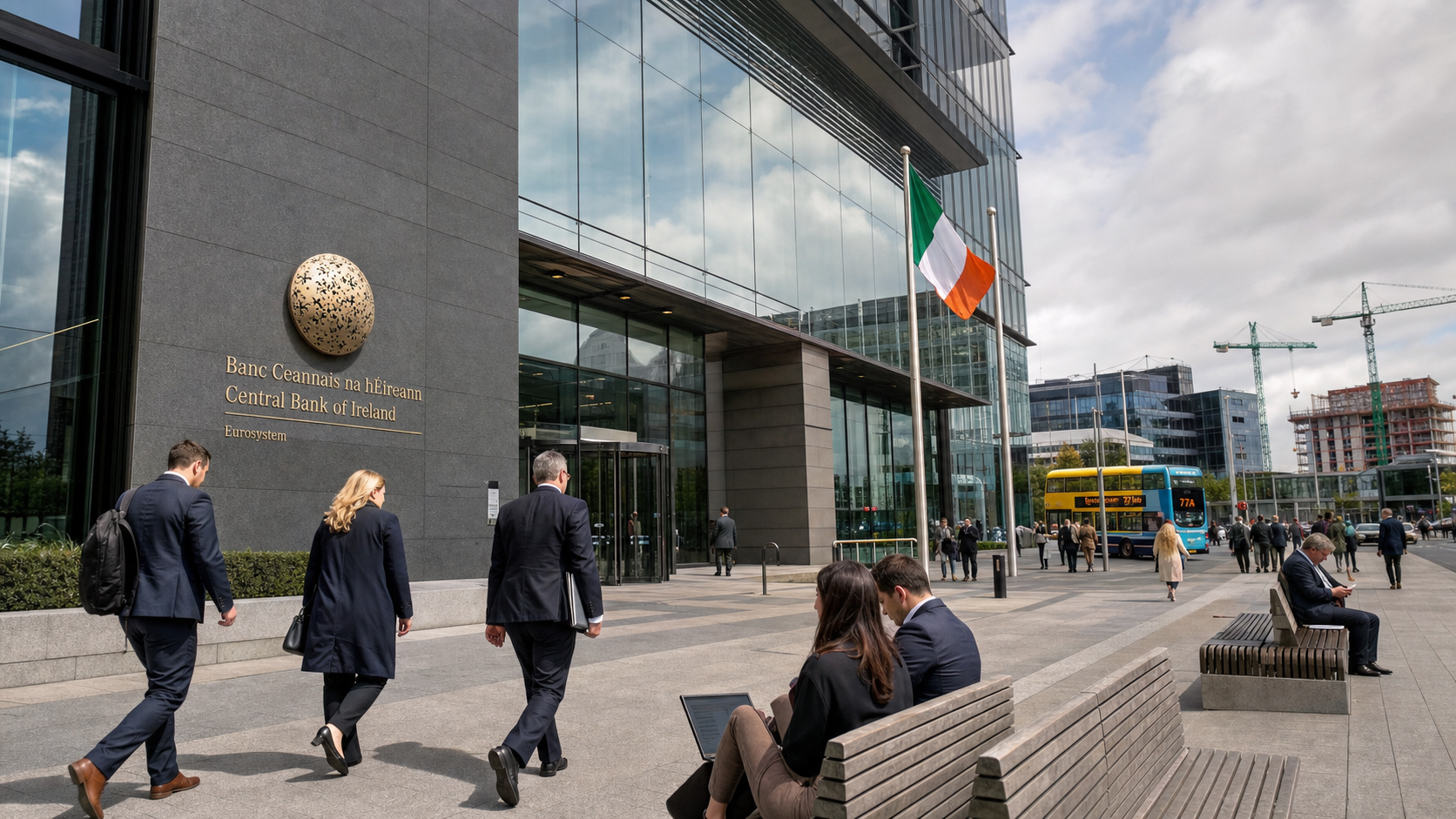
Ireland's economy has consistently outperformed its European peers in recent years, driven by strong multinational investment, robust consumer demand, and a healthy labour market. The country's corporate tax revenues have been boosted by the implementation of a new minimum effective tax rate for large corporations, providing the government with significant fiscal headroom. However, the concentration of that revenue is striking: in 2024, just three companies — understood to be Apple, Microsoft, and pharmaceutical group Eli Lilly — paid approximately €13 billion in corporation tax, accounting for 46% of the total collected by the state. That structural vulnerability looms large over even the most optimistic growth forecasts.
KPMG's 2026 Economic Outlook projects Irish GDP growth of 3%, with Modified Domestic Demand — a measure that strips out the distorting effects of multinational activity — expanding by 2.5%. The Irish labour market remains strong, with an unemployment rate expected to settle around 5% and wage growth averaging 3%. Government finances are healthy, supported by strong corporate tax revenues, and the Taoiseach has emphasised the need for "fiscal sustainability" amid global economic uncertainty.
Key Developments
Housing remains the most pressing domestic challenge. According to the Economic and Social Research Institute (ESRI), Ireland needs approximately 44,000 new homes annually to meet demand, but completions are lagging at between 32,500 and 34,500 units per year. This supply-demand imbalance continues to fuel house price inflation, with prices forecast to rise by 4–5% in 2026, outpacing wage growth. The median house price in early 2026 stands at approximately €381,000 nationally, rising to €495,000 in Dublin. The rental market is under severe pressure, with a chronic lack of available properties and rising rents compounding the affordability crisis.
Dublin City Council announced plans to borrow €36.5 million to fund additional affordable homes at the O'Devaney Gardens development in Dublin 7, ensuring the units will not be sold on the private market. However, Limerick councillors voted to halt a 500-unit modular home project in Boro Park, reflecting ongoing local opposition to large-scale housing developments. Infrastructure bottlenecks, particularly in transport and energy, are also a significant constraint. KPMG's Infrastructure Outlook 2026 highlights lengthy planning processes, labour shortages in construction, and grid capacity limitations as major barriers to progress. Major projects including the MetroLink in Dublin and the Celtic Interconnector to France are progressing, but their timely completion is crucial to alleviating these pressures.
The government announced a new package of measures related to fuel costs and support for the transport, farming, and fisheries sectors, following protests by slow-moving tractor convoys over high fuel prices. The Tánaiste has indicated a focus on income tax packages in the next budget, while the Taoiseach has stressed the importance of maintaining fiscal discipline.
Why It Matters
Ireland's economic strength is a double-edged sword. While strong growth and employment are welcome, the high cost of living — with notable inflation in groceries and housing — is eroding quality of life for many residents. The country's reliance on a small number of multinational sectors for a large portion of its tax revenue represents a structural vulnerability, particularly as global trade tensions and US tax policy evolve. Any change in the fortunes of those key multinationals, or in global tax regulations, could have a substantial impact on Ireland's fiscal position and its ability to fund public services. The housing crisis, if left unresolved, risks undermining Ireland's attractiveness as a destination for both international talent and domestic investment.
Local Impact
Cross-border trade between Ireland and Northern Ireland remains robust, with InterTradeIreland data showing the value of cross-border goods trade in January 2026 at €869 million, and total cross-border trade for 2025 reaching €10.9 billion. This deep economic integration, operating smoothly under the post-Brexit Windsor Framework arrangements, means that Ireland's economic performance has direct implications for businesses and workers on both sides of the border. A strong Irish economy supports demand for Northern Ireland goods and services, while infrastructure improvements in the Republic — particularly in transport connectivity — have the potential to benefit cross-border commuters and supply chains alike.
What's Next
The government's budget planning for 2027 will be shaped by the Taoiseach's emphasis on fiscal sustainability. The housing crisis is expected to remain the dominant domestic political issue, with further planning reforms and investment announcements anticipated in the coming months. Analysts will be watching closely to see whether the government can accelerate housing delivery without triggering the kind of local opposition that has stalled projects like the Boro Park development in Limerick.
Sources: KPMG Ireland; RTÉ News; InterTradeIreland; Investropa