IDA Ireland Warns of 'Hostile' Global Environment as Investment Pipeline Holds Steady
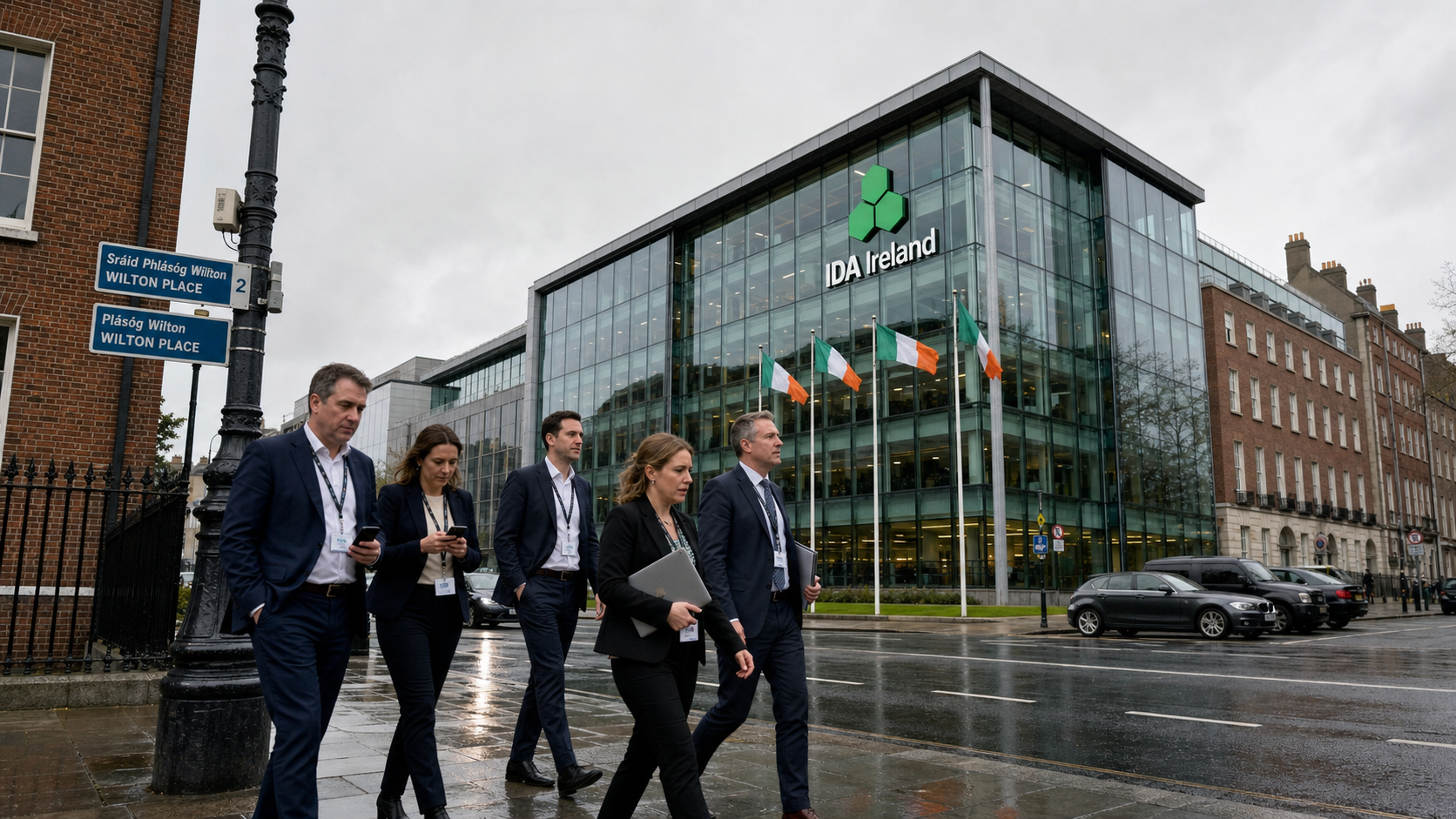
IDA Ireland has reported a modest increase in investment projects supported in the first half of 2026, with 190 projects backed compared with 179 in the same period last year, but the agency has issued a sober warning that the global environment for foreign direct investment has become significantly more challenging — with rising costs, geopolitical instability, and intensifying competition from other European countries all posing risks to Ireland's ability to maintain its exceptional record of attracting high-value international investment.
Background
Ireland's success in attracting foreign direct investment has been one of the defining features of its economic development since the 1990s. The combination of a low corporate tax rate, a highly educated English-speaking workforce, EU membership, and a proactive approach to investment promotion by IDA Ireland has made the country one of the most successful small economies in the world at attracting multinational investment. At its peak, Ireland was attracting more US foreign direct investment per capita than any other country in the world.
The global environment for FDI has, however, become significantly more complex in recent years. The OECD's global minimum corporate tax agreement — which Ireland has implemented — has reduced the tax advantage that was previously one of Ireland's most powerful competitive tools. Rising costs — including wages, commercial rents, and energy — have made Ireland a more expensive location for multinational operations. And the geopolitical disruptions of recent years, including the US-China trade war, the war in Ukraine, and the instability in the Middle East, have created uncertainty that has caused some companies to delay or scale back their investment plans.
Against this backdrop, IDA Ireland's first-half 2026 figures represent a resilient performance, but the agency's own assessment of the outlook is notably cautious. The warning about a "more hostile" global environment is a significant departure from the more optimistic tone that has characterised IDA communications in recent years, and it reflects a genuine concern within the agency about the sustainability of Ireland's FDI model in the medium term.
Key Developments
The 190 investment projects supported by IDA in the first half of 2026 include a mix of new investments from companies establishing operations in Ireland for the first time and expansion projects from companies already present in the country. The agency has noted that the quality of projects — measured by the level of R&D activity, the salaries offered, and the strategic importance of the roles — has continued to improve, even as the overall number of projects has remained broadly stable.
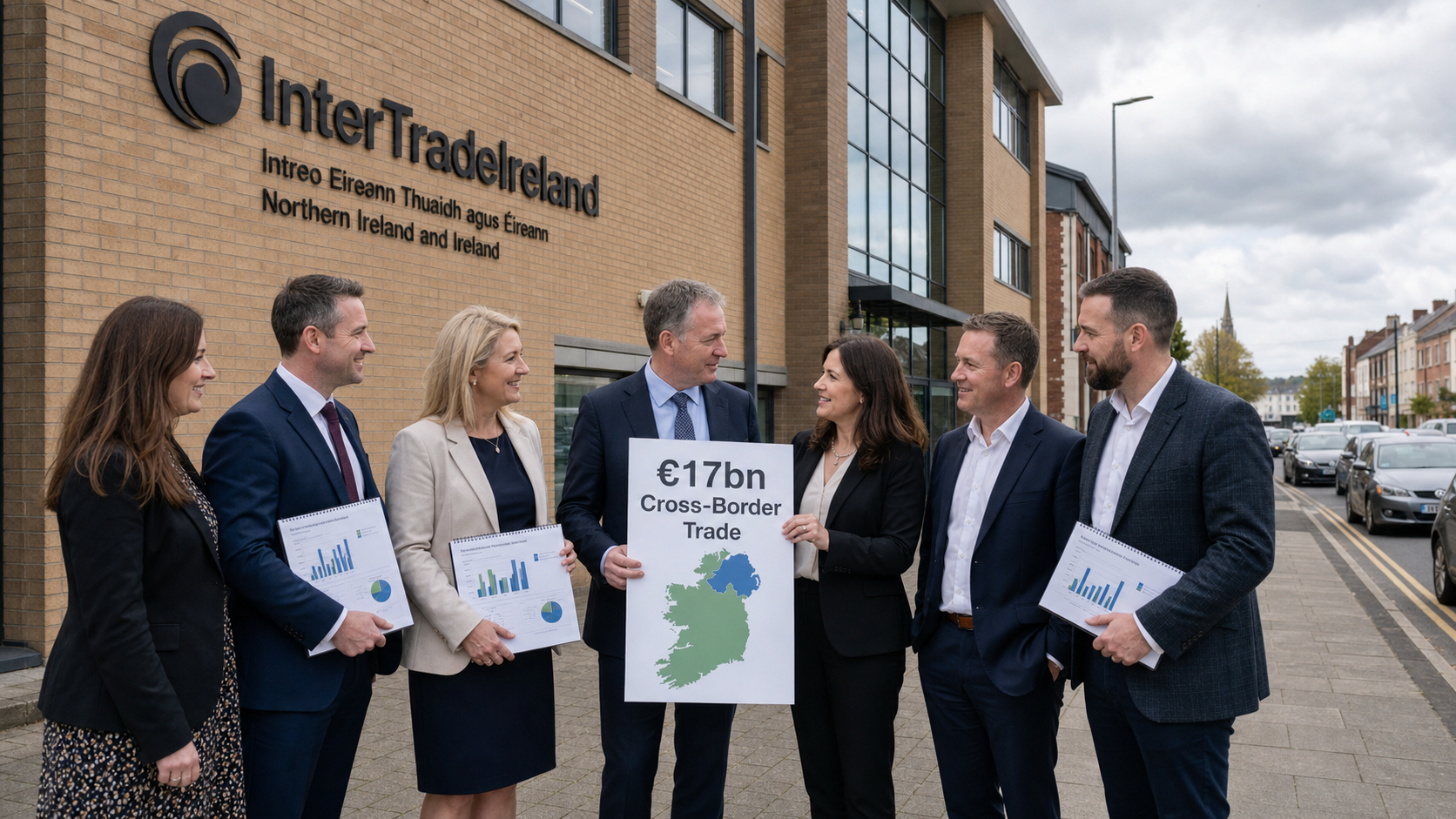
Cross-border trade between Ireland and Northern Ireland reached a record €17 billion in 2024, according to InterTradeIreland, reflecting the growing economic integration of the island and the resilience of the all-island economy in the face of Brexit-related disruptions. This figure is expected to be updated when 2025 data is published later this year, with analysts anticipating a further increase.
Economists have warned, however, that the period of extraordinary employment growth that Ireland experienced between 2015 and 2023 — when the unemployment rate fell from over 10% to under 5% — may be coming to an end. GDP is forecast to contract by 1.2% in 2026, though this is primarily due to a one-off effect in the pharmaceutical sector rather than a genuine deterioration in the underlying economy. Domestic demand — a better measure of the real economy — remains positive, but the pace of growth is expected to moderate.
Why It Matters
IDA Ireland's warning about the global investment environment is a significant signal that the Irish government and business community need to take seriously. Ireland's economic model has been heavily dependent on foreign direct investment for three decades, and any sustained reduction in the flow of high-value investment would have serious consequences for employment, tax revenues, and the country's ability to fund public services.
The challenge for Ireland is to maintain its attractiveness as an investment location while addressing the structural weaknesses — high costs, infrastructure deficits, planning delays — that are increasingly cited by companies as barriers to investment. The government's National Development Plan, which commits to significant investment in transport, housing, and digital infrastructure, is intended to address some of these weaknesses, but the pace of delivery has been a persistent source of frustration for the business community.
The OECD minimum tax agreement has also changed the competitive landscape in ways that are still being fully understood. While Ireland has maintained its 12.5% corporate tax rate for companies with revenues below €750 million, the introduction of a 15% minimum rate for larger companies has reduced the tax differential between Ireland and other European countries. This makes it more important than ever for Ireland to compete on the basis of talent, infrastructure, and quality of life rather than tax alone.
Local Impact
The IDA's investment figures have implications for communities across Ireland, from the large technology clusters in Dublin, Cork, and Galway to the smaller regional towns where individual investment announcements can have a transformative impact on local employment. The agency has been working to ensure that the benefits of FDI are distributed more evenly across the country, with a specific focus on attracting investment to regional locations that have historically been less successful in competing for multinational projects.
In Northern Ireland, the economic picture is complicated by the ongoing budget deadlock at Stormont and the uncertainty created by the post-Brexit trading arrangements. Invest Northern Ireland, the equivalent of IDA Ireland for the North, has reported a broadly stable pipeline of investment projects, but has flagged concerns about the impact of political uncertainty on investor confidence. The cross-border trade figures — which show record levels of economic activity between North and South — suggest that the all-island economy is functioning effectively despite the political challenges.
What's Next
IDA Ireland will publish its full mid-year review in the coming weeks, providing a more detailed breakdown of investment projects by sector, region, and type. The agency is expected to set out its priorities for the second half of 2026, with a particular focus on attracting investment in AI, life sciences, and financial services — the three sectors that IDA regards as offering the greatest potential for high-value job creation. The government's Enterprise Action Plan, which is due for its mid-year review in July, will also address the broader policy framework for supporting investment and enterprise in Ireland.