Ibec Forecasts 3.1% Pay Rise for Irish Workers in 2027 as Hiring Intentions Ease
Business representative group Ibec has published its annual Pay and Resourcing Forecast, projecting that the average Irish worker will receive a salary increase of 3.1% in 2027 — a modest moderation from the 3.5% average recorded across all sectors in 2026. The survey of more than 330 senior HR professionals found that 83% of businesses intend to increase pay next year, but hiring intentions have softened, with only 35% of firms planning to expand their workforce, down from 37% for 2026.
Background
Ibec's annual Pay and Resourcing Forecast is one of the most closely watched indicators of labour market conditions in Ireland, drawing on responses from senior HR professionals across a wide range of sectors and company sizes. The 2026 edition of the survey was conducted against a backdrop of sustained wage growth, tight labour market conditions, and ongoing debate about the appropriate level of the national minimum wage ahead of Budget 2027.
The Irish labour market has been remarkably resilient over the past three years, with unemployment remaining at historically low levels and wage growth consistently outpacing inflation in most sectors. However, there are signs that the exceptional conditions of the post-pandemic period are beginning to normalise, with hiring intentions easing and a small but growing minority of firms citing artificial intelligence and digital technology as factors in decisions to reduce headcount.
The forecast comes at a particularly sensitive moment in the Budget 2027 debate, with the Low Pay Commission having recommended a 5.6% increase in the national minimum wage — from €14.15 to €14.94 per hour — a proposal that Ibec has described as nearly double what many companies had anticipated or can afford.
Key Developments
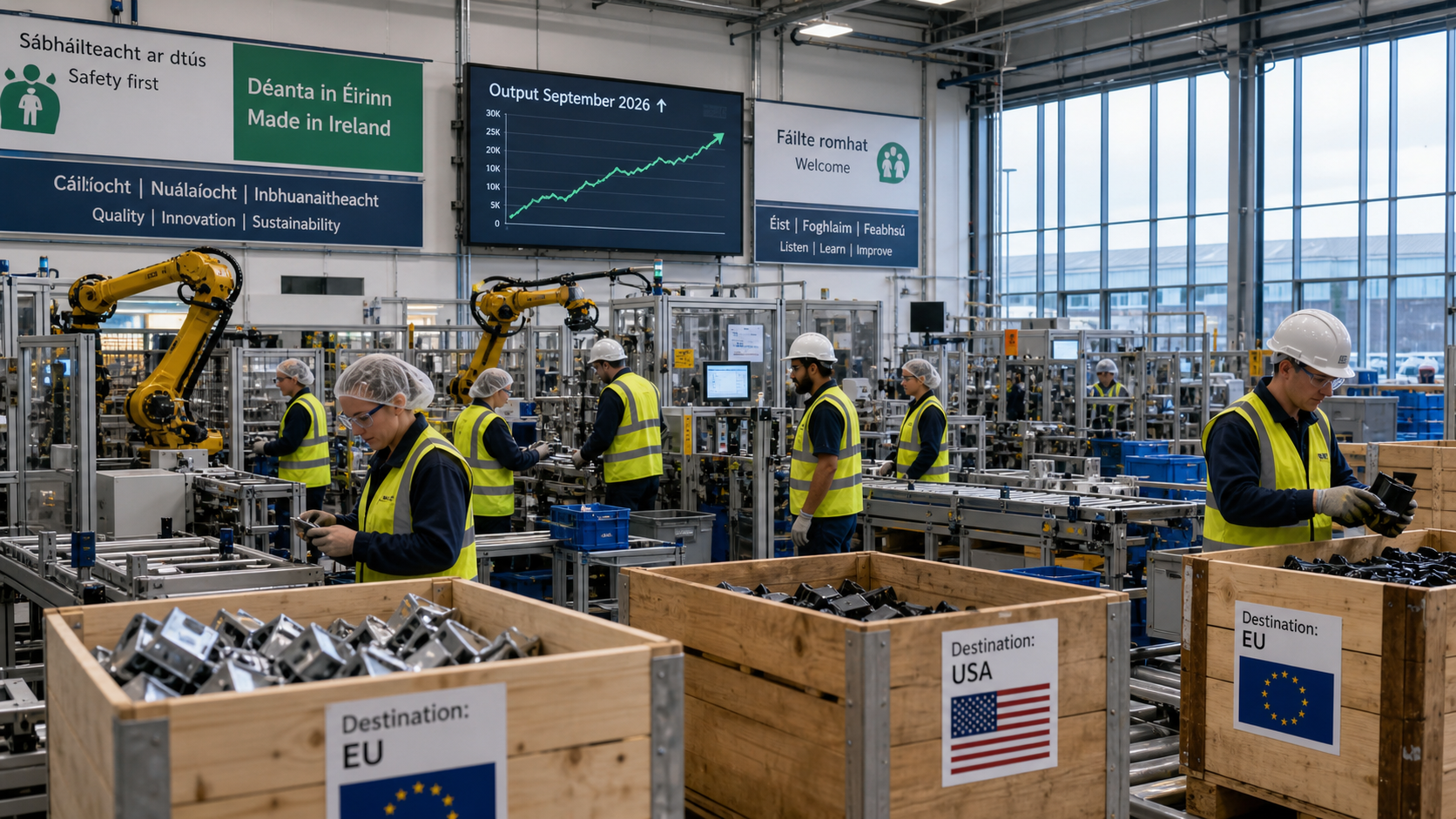
The headline finding — a projected 3.1% average pay increase for 2027 — represents a slight but meaningful moderation from the 3.5% average of 2026. Ibec noted that wage growth continues to be driven primarily by competition for specialised skills, overall business performance, and productivity, rather than by broad inflationary pressures. The professional services sector, which is heavily represented in the survey sample, is expected to see above-average increases, while sectors facing margin pressure — including retail, hospitality, and parts of manufacturing — are likely to see more modest rises.
The softening in hiring intentions is perhaps the most significant finding for the broader economy. The proportion of businesses planning to increase their headcount in 2027 has fallen to 35%, down from 37% for 2026 and 41% for 2025 — a clear trend of moderation. Among the 8% of firms planning to reduce staff, more than half cited organisational efficiencies driven by artificial intelligence or digital technology as a contributing factor, a finding that will fuel ongoing debate about the labour market implications of automation.
Ibec Director General Danny McCoy said the forecast pointed to "a labour market that is adjusting to a new normal after several years of exceptional growth," adding that the organisation's primary concern for 2027 was the potential impact of a minimum wage increase that it regarded as excessive given current business conditions.
Why It Matters
The Ibec forecast matters because it shapes expectations across the economy — for workers negotiating pay deals, for employers setting budgets, and for policymakers calibrating the minimum wage and other labour market interventions. A projected 3.1% average increase is broadly positive for workers, representing a real-terms pay rise if inflation remains at or below that level, as the Central Bank currently projects. However, the softening in hiring intentions is a warning signal that the labour market may be approaching a turning point, and the growing role of AI in headcount decisions adds a structural dimension to what might otherwise be read as a cyclical adjustment. For the government, the Ibec data provides ammunition for a cautious approach to the minimum wage increase, though trade unions and worker advocacy groups are likely to contest that interpretation vigorously in the weeks ahead.
Local Impact
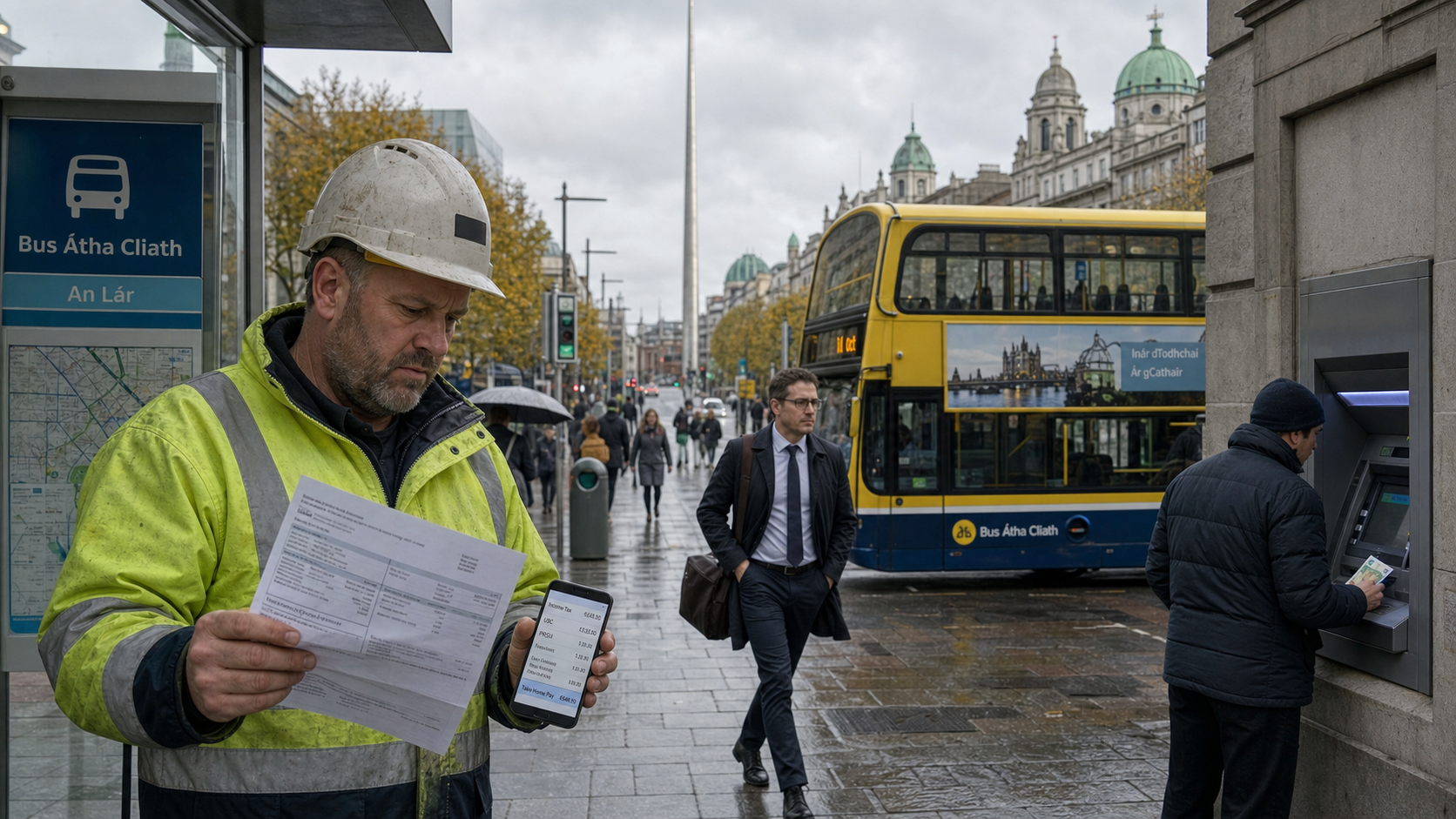
The pay forecast has direct implications for workers across Ireland's major employment centres. In Dublin, where the cost of living remains the highest in the country, a 3.1% average increase will be welcomed but will do little to close the gap between wages and housing costs for many workers. In Cork, Galway, and Limerick, where the tech and pharmaceutical sectors are major employers, above-average increases are expected in line with the national trend for specialised skills. In smaller towns and rural areas, where the retail and hospitality sectors dominate, the debate about the minimum wage increase will be particularly acute, with many small business owners arguing that a 5.6% rise would force them to reduce hours or cut jobs. Bus Éireann and Irish Rail workers, whose pay is subject to separate public sector negotiations, are not directly covered by the Ibec forecast but will be watching the private sector data closely as a benchmark.
What's Next
The government is expected to make a decision on the 2027 minimum wage rate as part of the Budget 2027 package, due to be announced on 14 October 2026. Ibec has indicated it will make a formal submission to the Budget process arguing for a more modest increase than the Low Pay Commission's recommendation. Trade unions, including SIPTU and Mandate, are expected to counter with arguments in favour of the full 5.6% rise. The next Ibec Pay and Resourcing Forecast will be published in September 2027.