Hundreds Rally in Belfast City Centre Against New Bye-Laws on Noise and Graphic Imagery Ahead of Fleadh
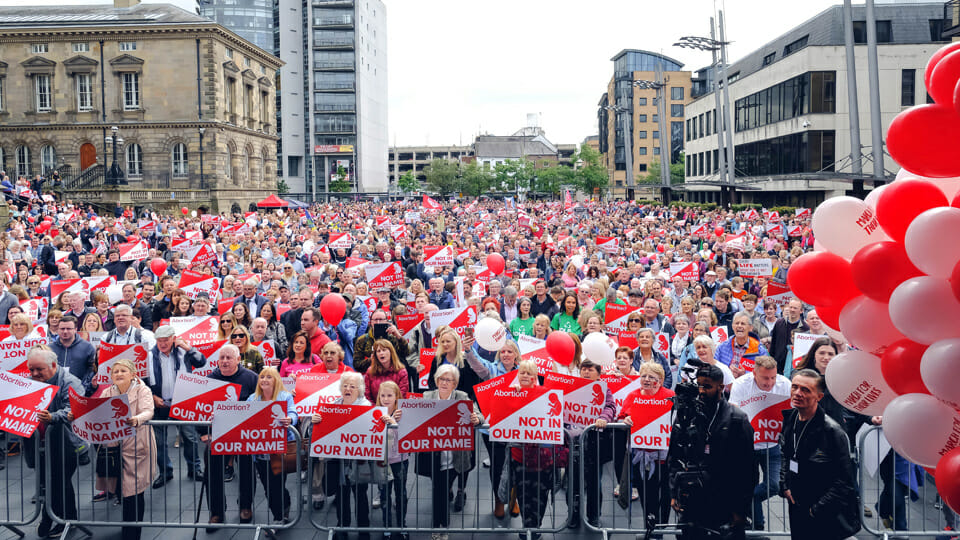
Hundreds of protesters gathered in Belfast city centre on Saturday for a 'Rally for Life, Liberty and Faith,' organised in direct opposition to new bye-laws proposed by Belfast City Council that would impose a 70-decibel noise limit and restrict the display of graphic imagery in public spaces — rules the council says are necessary to make the city more welcoming ahead of the Fleadh Cheoil na hÉireann in August.
Background
Belfast City Council has been developing a package of new public space bye-laws for several months, driven in part by the city's preparations to host the Fleadh Cheoil na hÉireann — the world's largest Irish traditional music festival — in August 2026. The Fleadh, which attracts hundreds of thousands of visitors to its host city each year, will be a major test of Belfast's capacity to manage large-scale public events, and council officers have been keen to ensure that the city centre environment is welcoming and orderly during the festival period.
The proposed bye-laws include a 70-decibel noise limit in designated areas of the city centre, with fines of up to £1,500 for breaches. They also include provisions restricting the display of graphic imagery — a measure that has been interpreted by pro-life groups as targeting their practice of displaying large images of foetuses and aborted pregnancies in public spaces. The council has insisted that the imagery restrictions are content-neutral and apply to any graphic material that could cause distress to members of the public, including children.
The tension between the council's desire to manage public space and the rights of groups to engage in public protest and expression is not new in Belfast. The city has a long and complex history of contested public space, from Orange Order parades to republican commemorations, and any attempt to regulate behaviour in the city centre inevitably draws accusations of political bias from one quarter or another.
Key Developments
Saturday's rally drew a crowd estimated by organisers at several hundred people, gathering near Belfast City Hall before marching through the city centre. Speakers at the event included representatives from pro-life organisations, evangelical Christian groups, and street preachers who argued that the proposed bye-laws would effectively criminalise their activities in the city centre.
The proposed 70-decibel limit has been a particular flashpoint. Street preachers who use amplification equipment argue that the limit would make it impossible to be heard above the ambient noise of a busy city centre, effectively silencing them. Pro-life groups contend that the imagery restrictions are specifically designed to target their campaigns, despite the council's insistence to the contrary.
Belfast City Council has defended the proposals, with officers noting that the bye-laws are intended to create a more inclusive and welcoming environment for all visitors to the city, including the hundreds of thousands expected for the Fleadh. The council has pointed out that similar regulations exist in other UK cities and that the proposed fines are consistent with national standards.
Why It Matters
The controversy over Belfast's proposed bye-laws touches on some of the most contested questions in contemporary public life: the balance between freedom of expression and the right to enjoy public space without harassment or distress. Belfast is a city that has spent decades negotiating exactly these kinds of tensions, and the current dispute reflects the ongoing difficulty of managing a diverse and sometimes fractious public sphere.
The timing — with the Fleadh Cheoil approaching — adds a particular dimension. The Fleadh is a celebration of Irish cultural identity that will draw visitors from across the island and from the global Irish diaspora. The council's desire to present a welcoming face to those visitors is understandable, but the manner in which it has pursued that goal has generated significant opposition from communities that feel their rights are being curtailed. Unlike similar bye-law disputes in Dublin or Cork, Belfast's contested political landscape means that any regulatory intervention in public space carries additional symbolic weight.
Local Impact
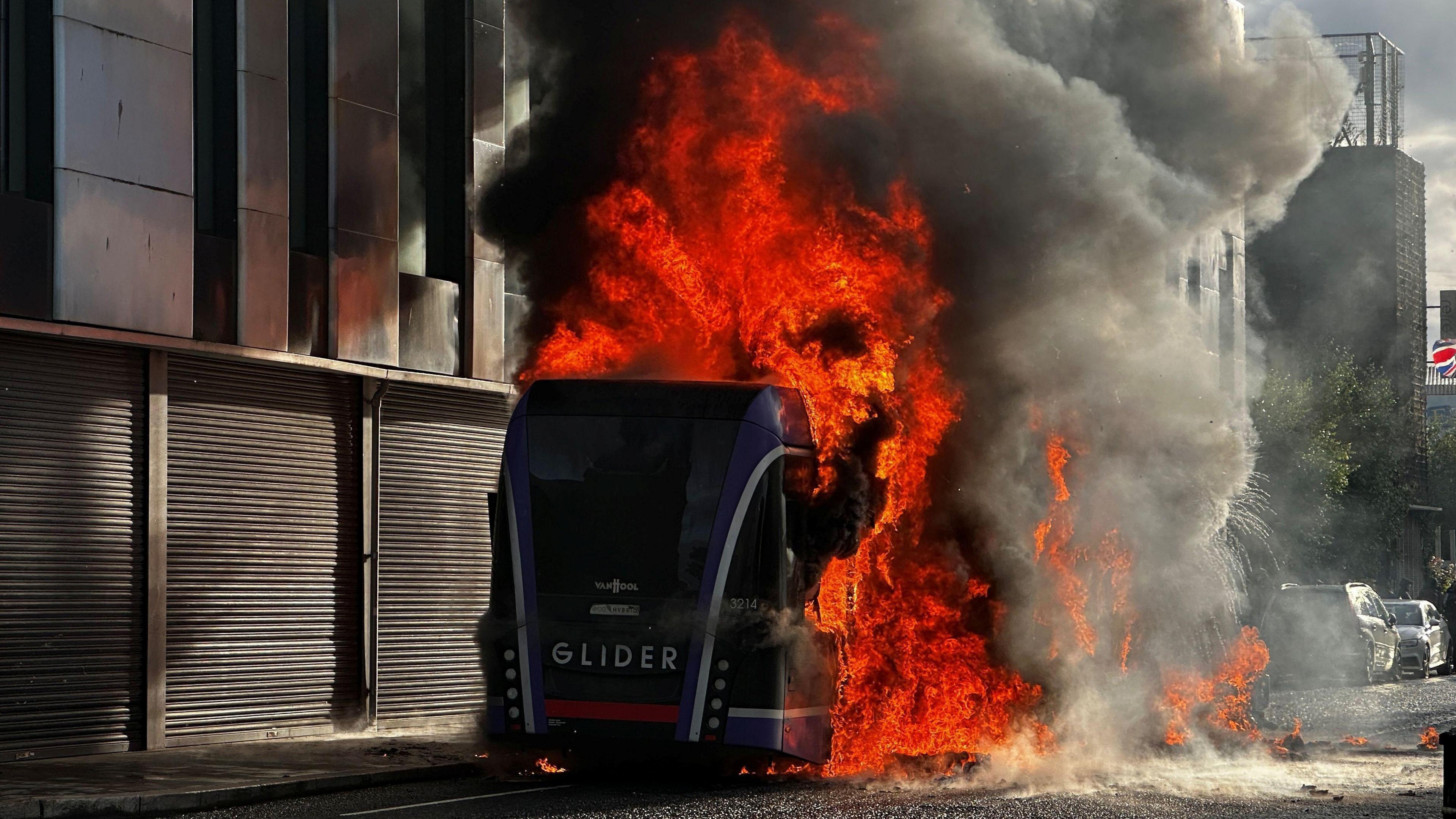
The practical impact of the proposed bye-laws would be felt most directly in the area around Belfast City Hall, Donegall Square, and the pedestrianised sections of Royal Avenue and Castle Street — the main thoroughfares where street preachers, pro-life campaigners, and other public demonstrators currently operate. The Glider G1 and G2 routes pass through this area, and the council has indicated that the bye-laws would apply to the full length of the designated city centre zone. Businesses in the area have been broadly supportive of measures to reduce noise and graphic imagery, citing the impact on customers and staff.
What's Next
The proposed bye-laws are subject to a formal public consultation process, with the council expected to consider responses before bringing the final version to a full council vote in the coming weeks. Legal challenges from pro-life and religious liberty organisations are considered likely if the bye-laws are passed in their current form. The Fleadh Cheoil na hÉireann is scheduled to take place in Belfast in August 2026, and the council will be keen to have the regulatory framework in place well before the festival begins.