HSE Investigates 'Wholly Unacceptable' Treatment of Dementia Patient at University Hospital Limerick
The HSE is investigating the treatment of an elderly dementia patient at University Hospital Limerick after a video emerged showing a healthcare worker speaking to the 83-year-old woman in a dismissive and derogatory manner, with the family of the late Ita Tobin describing the footage as "inhumane" and calling for accountability from the health service and the Minister for Health.
Background
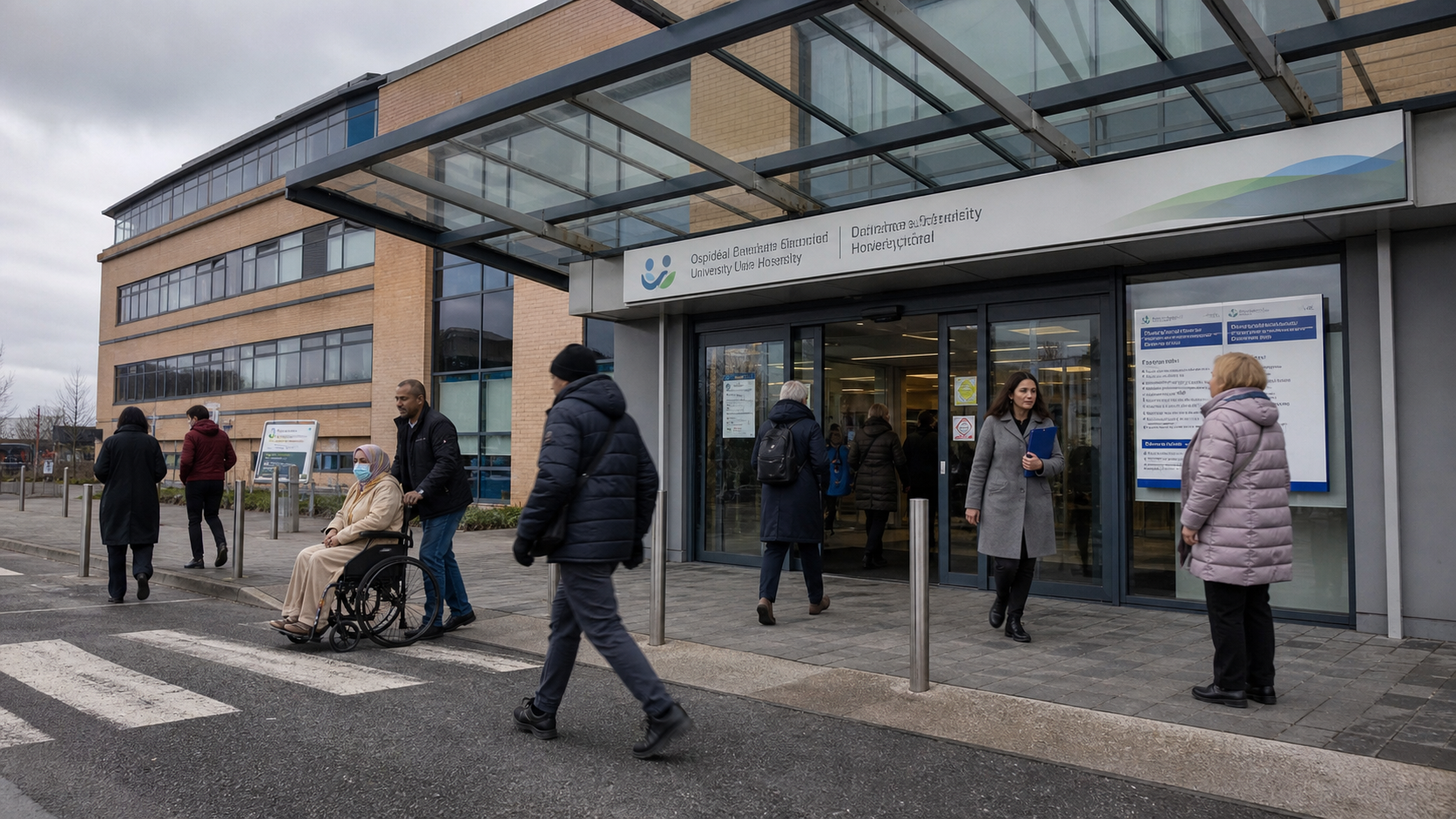
University Hospital Limerick has been at the centre of a series of controversies in recent years relating to patient care, overcrowding, and staffing levels. The hospital, which serves as the main acute hospital for the Mid-West region covering Limerick, Clare, and North Tipperary, has consistently had among the highest trolley counts in the country and has been the subject of repeated criticism from the Irish Nurses and Midwives Organisation, patient advocacy groups, and the Health Information and Quality Authority.
The treatment of elderly patients with dementia in acute hospital settings is a particular concern for patient advocates and healthcare professionals. Dementia patients in acute hospitals are among the most vulnerable people in the health system: they are often confused and distressed by the unfamiliar environment, they may have difficulty communicating their needs, and they are dependent on the goodwill and professionalism of the staff caring for them. The National Dementia Strategy, published in 2014, identified the need for dementia-specific training for all healthcare staff and for the development of dementia-friendly environments in acute hospitals, but implementation has been slow and uneven.
Ita Tobin was 83 years old and being treated for a suspected heart attack at University Hospital Limerick when the incident captured in the video occurred. She died in August 2025, and the video — which was reportedly recorded by another patient on the same ward — came to the attention of her family only when it appeared online shortly after the first anniversary of her death.
Key Developments
The video shows a healthcare worker responding to Ita Tobin's request for a cup of tea with an abrupt "No," telling her "You are crazy," and responding dismissively when she asked about food on her bedside table. The footage, which was shared on social media, prompted an immediate response from the HSE Mid West, which released a statement calling the behaviour "wholly unacceptable" and describing it as falling far short of the standards of dignity, respect, and compassionate care expected of its staff.
The HSE has indicated that it is working to verify the specific location, date, and circumstances of the recording in order to proceed with a review under its patient safety and incident management framework. Minister for Health Jennifer Carroll MacNeill responded to the family via her private secretary, extending condolences for their loss and confirming that the HSE is actively examining the matter.
Ita Tobin's family have described the footage as "inhumane," "vile," and "disgusting," and have expressed deep trauma at discovering the video. They are seeking answers from the HSE, the Minister for Health, and the Health Information and Quality Authority, and have indicated that they want to understand how such treatment was possible and what steps are being taken to ensure it cannot happen again.
Why It Matters
The Ita Tobin case is significant not only as an individual instance of unacceptable care but as a symptom of broader systemic problems in the treatment of elderly and dementia patients in Irish acute hospitals. The combination of overcrowding, understaffing, and inadequate dementia-specific training creates conditions in which the dignity and wellbeing of vulnerable patients can be compromised. University Hospital Limerick, with its chronic overcrowding and high patient-to-staff ratios, is particularly vulnerable to these pressures. The emergence of the video on social media — recorded by another patient on the ward — also raises questions about privacy and the use of mobile phones in clinical settings, as well as about the mechanisms available to patients and their families to report concerns about care quality. The HSE's patient safety framework requires that incidents of this nature be investigated thoroughly and that the findings be shared with the family, but the family's experience of discovering the video a year after the incident suggests that the existing reporting mechanisms did not function as they should have.
Local Impact
In Limerick, the case has prompted renewed calls for investment in University Hospital Limerick and for a fundamental review of how the hospital manages the care of elderly and dementia patients. The Limerick Post has reported that several local councillors have written to the HSE seeking a full account of the investigation and its findings. The Alzheimer Society of Ireland has called for mandatory dementia awareness training for all staff in acute hospitals and has indicated that it will make a submission to the HSE's review of the incident. The family of Ita Tobin have indicated that they will not rest until they have received a full explanation of what happened and a commitment that the standards of care at University Hospital Limerick will be improved.
What's Next
The HSE Mid West is expected to complete its initial review of the incident within the coming weeks and to provide the family with a preliminary report. The Health Information and Quality Authority has indicated that it is monitoring the situation and may conduct its own inspection of University Hospital Limerick's dementia care practices. The Minister for Health has indicated that she will receive a report from the HSE on the incident and will consider whether any further action is required at a national level. The family have indicated that they are considering legal advice in relation to the treatment of their mother.