Skyclarys Reimbursement Rejected by HSE Drugs Group as Friedreich's Ataxia Families Face Agonising Wait
The HSE Drugs Group has recommended against the public reimbursement of Skyclarys, the only available treatment for Friedreich's Ataxia, citing the drug's annual cost of €280,000 per patient and a projected five-year budget impact of between €130 million and €160 million — a decision that has devastated patient advocacy groups and prompted 48 Fianna Fáil TDs to write to HSE leadership describing the reimbursement process as "broken and not fit for purpose."
Background
Friedreich's Ataxia is a rare, progressive neurological condition that causes increasing difficulty with coordination, balance, and movement, typically beginning in childhood or adolescence. It is caused by a genetic mutation that leads to a deficiency of a protein called frataxin, which is essential for the normal function of nerve cells and the heart. There is no cure, and until the development of Skyclarys — known generically as omaveloxolone — there was no approved treatment that could slow the progression of the disease.
Skyclarys, manufactured by Biogen, received approval from the European Medicines Agency in 2023 and has since been available in a number of European countries. In Ireland, the drug has been the subject of a lengthy reimbursement assessment process, during which patients and their families have watched as the condition progressed without access to the only treatment that might make a difference.
The National Centre for Pharmacoeconomics assessed Skyclarys and recommended against reimbursement on cost-effectiveness grounds. The Rare Diseases Technology Review Committee, however, provided a report that patient advocates described as "overwhelmingly positive" in its assessment of the drug's clinical value. The divergence between these two assessments has placed the HSE Drugs Group in a difficult position, ultimately leading to Monday's recommendation against reimbursement.
Key Developments
The HSE Drugs Group's recommendation, which is advisory rather than final, cited the drug's cost of approximately €280,000 per patient per year and the limitations and uncertainties in the clinical efficacy data. Professor Michael Barry of the NCPE referenced Cochrane reviews suggesting limited differences compared to a placebo after 12 months, a finding that patient groups have strongly contested.
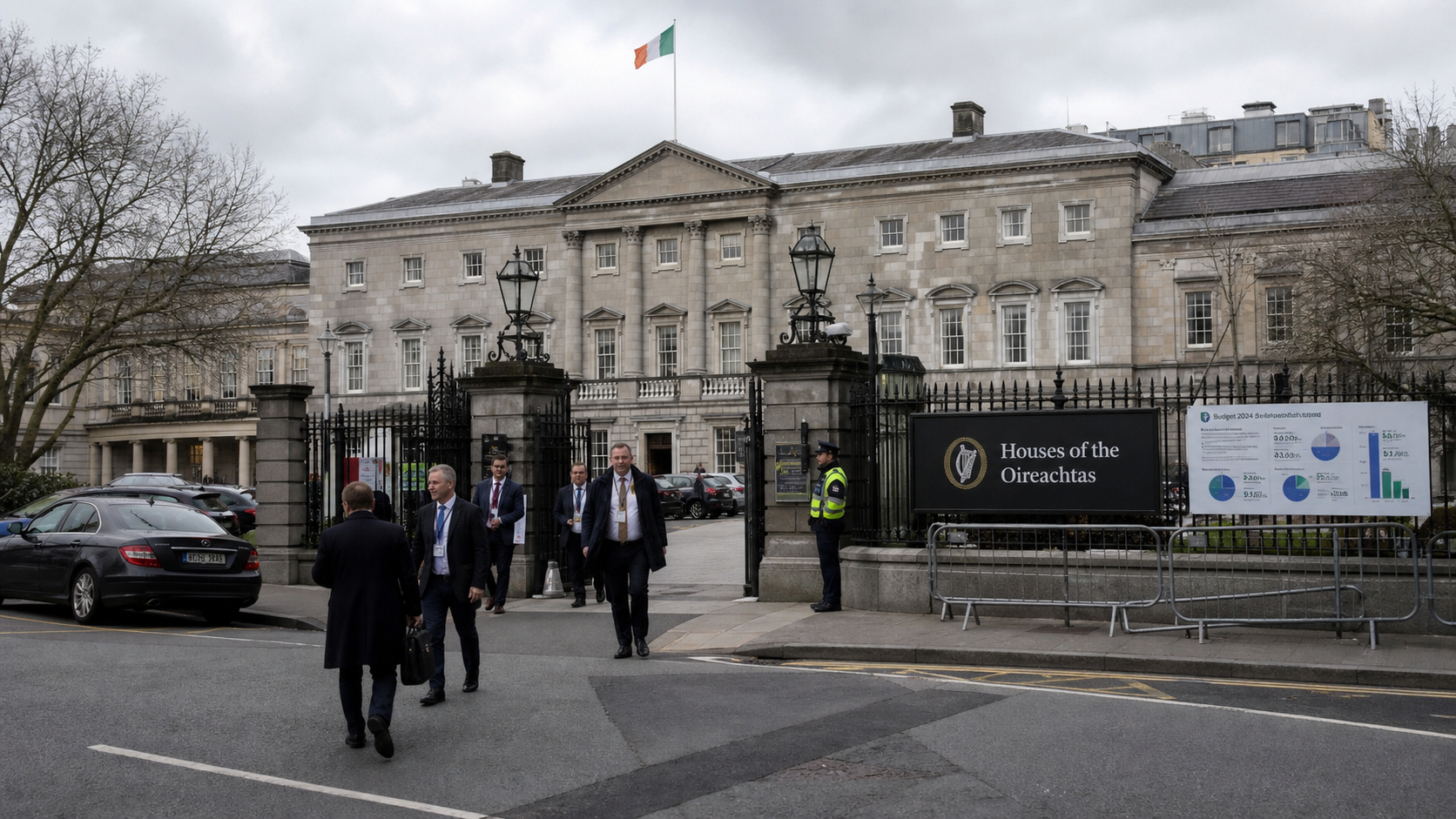
The political response has been swift and intense. A letter signed by 48 non-ministerial members of the Fianna Fáil parliamentary party — including one Minister of State — was sent to HSE leadership and government ministers, describing the current drug reimbursement process as "broken and not fit for purpose." Opposition parties including Sinn Féin and Aontú have also called for urgent government intervention.
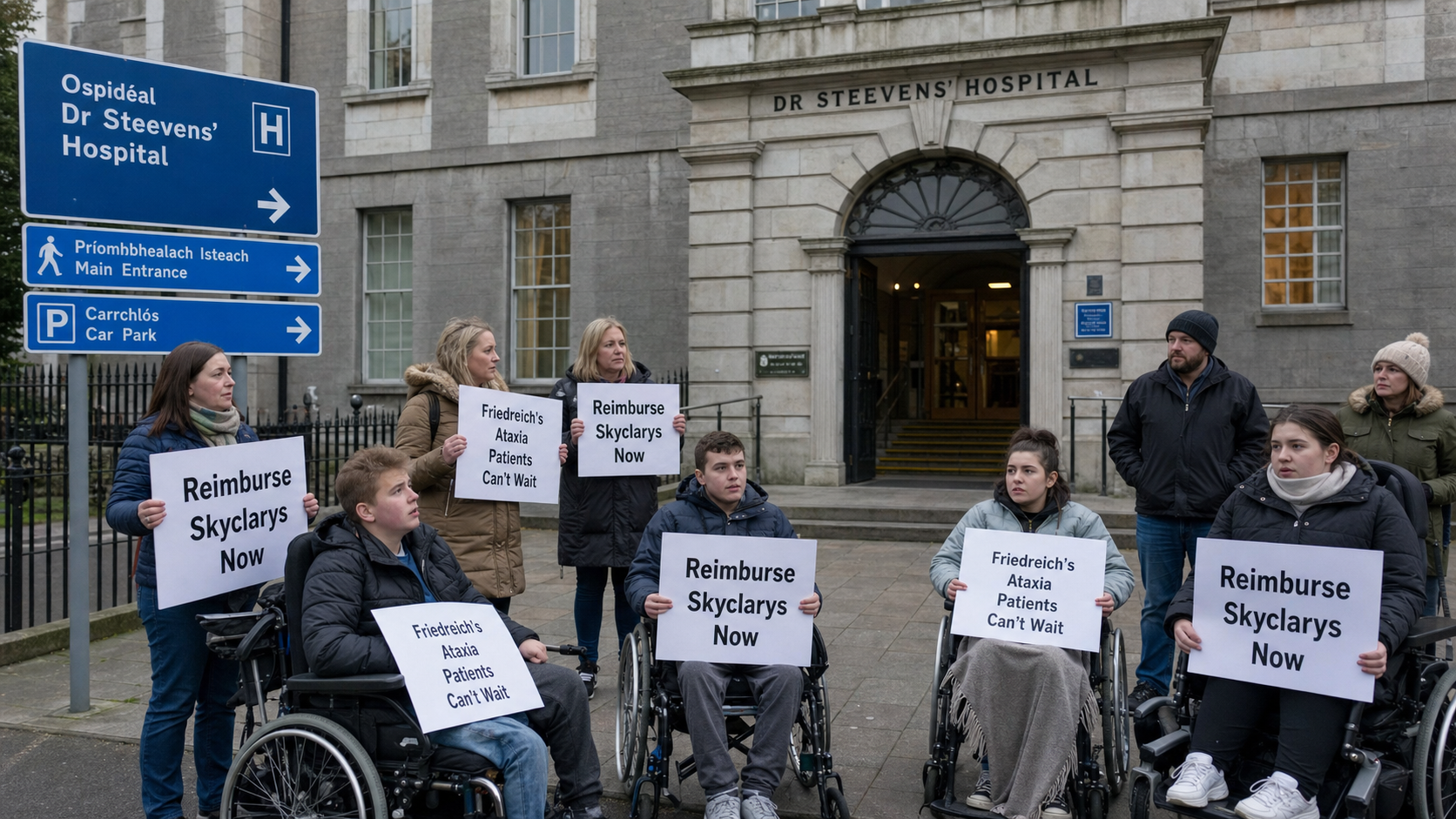
Patient advocate Emily Felix, who has Friedreich's Ataxia, described the recommendation as devastating, emphasising that the RDTRC's positive report should carry significant weight in the final decision. The HSE has acknowledged the "profound and devastating" nature of the condition but has stated that it must balance the budget for new medicines against other health service demands.
Why It Matters
The Skyclarys case has become a flashpoint in a broader debate about how Ireland assesses and funds treatments for rare diseases. The country's reimbursement framework, which relies heavily on cost-effectiveness analysis, has been criticised for being poorly suited to rare diseases, where the small patient population makes it inherently difficult to generate the large-scale clinical trial data that cost-effectiveness models require.
Ireland has one of the highest rates of Friedreich's Ataxia in Europe, a fact that makes the reimbursement decision particularly significant. The condition affects an estimated 200 to 300 people in Ireland, a small number in absolute terms but one that represents a disproportionate burden relative to the country's population. For these patients and their families, the HSE's decision is not an abstract policy question — it is a matter of whether they can access the only treatment that might slow the progression of a devastating disease.
The political pressure being brought to bear on the HSE is unusual in its intensity and breadth. The involvement of 48 Fianna Fáil TDs — a significant proportion of the parliamentary party — suggests that the issue has resonated deeply with elected representatives who are hearing directly from constituents affected by the condition.
Local Impact
Across Ireland, families living with Friedreich's Ataxia are watching the HSE's deliberations with a mixture of hope and dread. The condition does not discriminate by geography, and affected families can be found in every county. Many have been in contact with their local TDs and senators, and the volume of political correspondence on the issue has been a significant factor in the scale of the Fianna Fáil letter.
Specialist neurology services for Friedreich's Ataxia are concentrated in a small number of centres, including Beaumont Hospital in Dublin and Cork University Hospital. The clinical teams at these centres have been vocal advocates for Skyclarys reimbursement, arguing that the drug represents a genuine advance in the management of a condition for which they have previously had very little to offer patients.
What's Next
The final decision on Skyclarys reimbursement rests with the HSE senior management team, which is scheduled to meet on 25 August 2026. The HSE has indicated that it is continuing to engage with Biogen on the pricing of the drug, and there is some hope that a negotiated reduction in the list price could change the cost-effectiveness calculation. Patient groups and political representatives are expected to maintain pressure on the HSE and the Government in the days leading up to the meeting. Whatever the outcome, the case is likely to prompt a broader review of Ireland's rare disease reimbursement framework.