Heather Humphreys Breaks Silence on Presidential Campaign Sectarianism and Calls for Honest Reckoning with Ireland's Prejudices
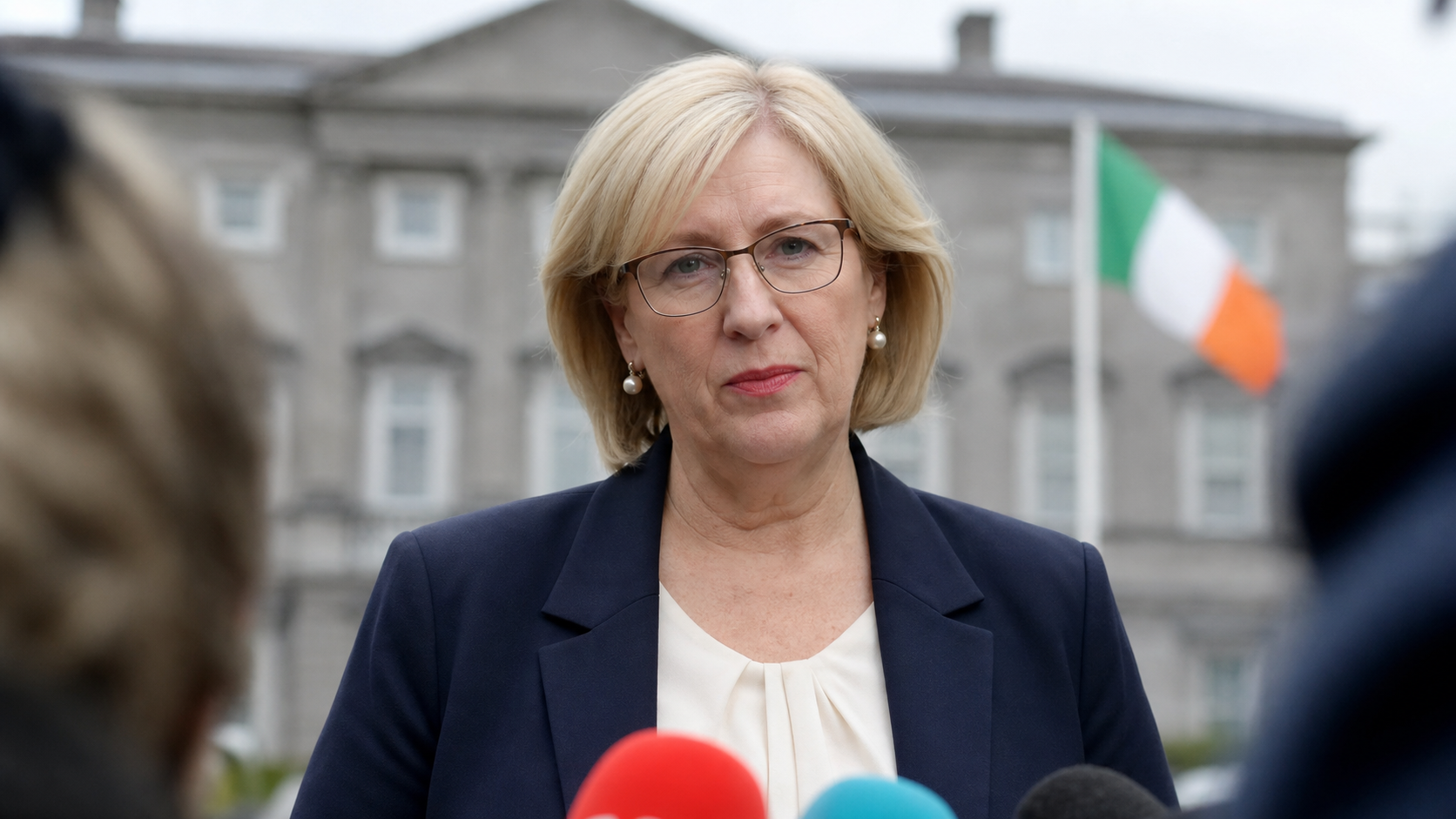
Former Fine Gael minister Heather Humphreys has written a candid and at times painful account of the sectarian abuse she and her family endured during the 2025 Irish presidential election campaign, describing how her Presbyterian faith and her husband's past membership of the Orange Order were weaponised by a minority to portray her as fundamentally incompatible with modern Irish civic life — and calling for a "radical renewal" of education and mutual understanding if Ireland is serious about building a shared future on the island.
Background
Heather Humphreys served as a Fine Gael TD for Cavan-Monaghan for more than a decade, holding several senior ministerial portfolios including Business, Enterprise and Innovation, and Social Protection. A Presbyterian from a farming family in Drum, County Monaghan — a Border community with a strong Protestant tradition — she was one of several candidates who contested the 2025 presidential election, which was ultimately won by Catherine Connolly, the former Galway West TD and Irish language advocate.
During the campaign, Humphreys faced a sustained campaign of online abuse that targeted her religious and cultural background. Videos and social media posts questioned her commitment to the Republic, implied that her Presbyterian faith made her unsuitable for the office of President, and drew attention to her husband's past membership of the Orange Order as evidence of an incompatibility with Irish national identity. The abuse extended beyond Humphreys herself to the Protestant community in Drum, whose residents described feeling "torn apart" and "shocked to the core" by the vitriol directed at their community.
The abuse was condemned across the political spectrum at the time, with Sinn Féin leader Mary Lou McDonald stating that sectarian abuse is "never acceptable." However, Humphreys has indicated that the condemnation, while welcome, did not fully address the underlying attitudes that made the abuse possible — attitudes that she argues are more widespread in the Republic than many people are comfortable acknowledging.
Key Developments
Writing in The Irish Times this weekend, Humphreys states that she does not regret running for the presidency but does regret the hurt the campaign caused to those who believed Ireland had moved past such tribal prejudices. She describes the experience of watching her community in Drum — a village with a strong tradition of accordion bands and cross-community cultural events — absorb the shock of being targeted for their identity as one of the most difficult aspects of the campaign.
Humphreys calls for what she describes as a "radical renewal" of education and mutual understanding, arguing that if Ireland is to achieve a united island, it must genuinely respect all traditions on the island, including those of the Ulster Scots and unionist communities. She draws a direct line between the sectarianism she experienced and the broader challenge of building a shared future: "If we cannot accept a Presbyterian woman from Monaghan as a candidate for the presidency of the Republic, what does that say about our readiness to welcome a million unionists into a new Ireland?"
The DUP has cited the campaign as a "wake-up call" regarding the reality of acceptance in an all-Ireland state, with MLA David Brooks arguing that the focus on Humphreys' family's Orange Institution links exposed an enduring prejudice that unionist communities would need to consider carefully in any future constitutional conversation.
Why It Matters
Humphreys' account matters because it names something that Irish public discourse has been reluctant to confront directly: that sectarianism is not exclusively a Northern Irish problem, and that the Republic's self-image as a tolerant, pluralist society is not always matched by the reality of how minority traditions are treated. The presidential election is the most visible expression of Irish civic identity, and the abuse directed at Humphreys during that campaign was a signal — uncomfortable but important — about the limits of that tolerance.
The timing of her reflection is also significant. The conversation about Irish unity has intensified in recent years, driven by demographic change in Northern Ireland, the political disruption of Brexit, and the growing electoral strength of Sinn Féin on both sides of the border. That conversation cannot be conducted honestly without acknowledging the concerns of unionist and Protestant communities about their place in a united Ireland — concerns that the treatment of Humphreys during the presidential campaign did nothing to allay.
The challenge Humphreys identifies — building a genuinely inclusive Irish identity that can accommodate the Ulster Scots tradition, the Orange Order, and the full complexity of Protestant experience on the island — is not a peripheral concern. It is central to the question of whether a united Ireland, if it comes, will be a genuinely shared project or simply a demographic transfer of power.
Local Impact
In Drum, County Monaghan, the community's experience during the presidential campaign has left a lasting mark. The village, which sits close to the Border and has maintained cross-community relationships through decades of political turbulence, found itself at the centre of a national controversy that many residents felt was entirely unwelcome. Local community leaders have spoken about the importance of rebuilding confidence and ensuring that the village's tradition of inclusivity is not defined by the actions of a minority of online abusers. The Monaghan county council has indicated that it will support community-led initiatives to promote cross-community dialogue in the Border region.
What's Next
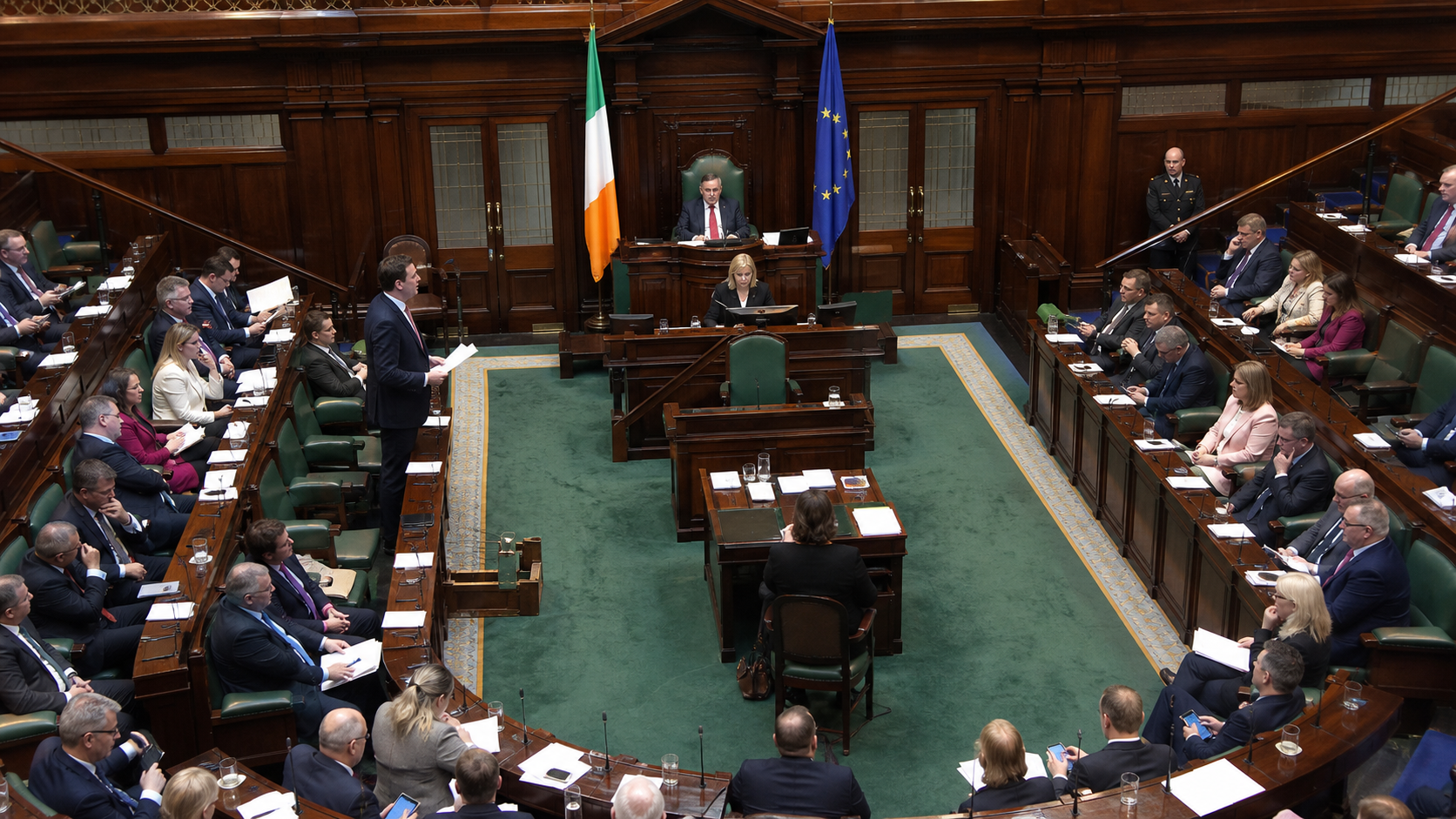
Humphreys has indicated that she intends to remain engaged in public life, though she has not specified in what capacity. Her article has prompted a significant response, with politicians across the spectrum — including several who were critical of her presidential campaign — acknowledging the validity of her concerns. The Irish government's Shared Island initiative, which funds cross-community projects on both sides of the border, is expected to include a specific strand on Protestant and unionist identity in the Republic in its next funding round. A Dáil debate on sectarianism and pluralism is expected to be scheduled for the autumn term.