Health Minister Nesbitt Unveils £80 Million Ringfenced Plan to Tackle Northern Ireland's Waiting List Crisis
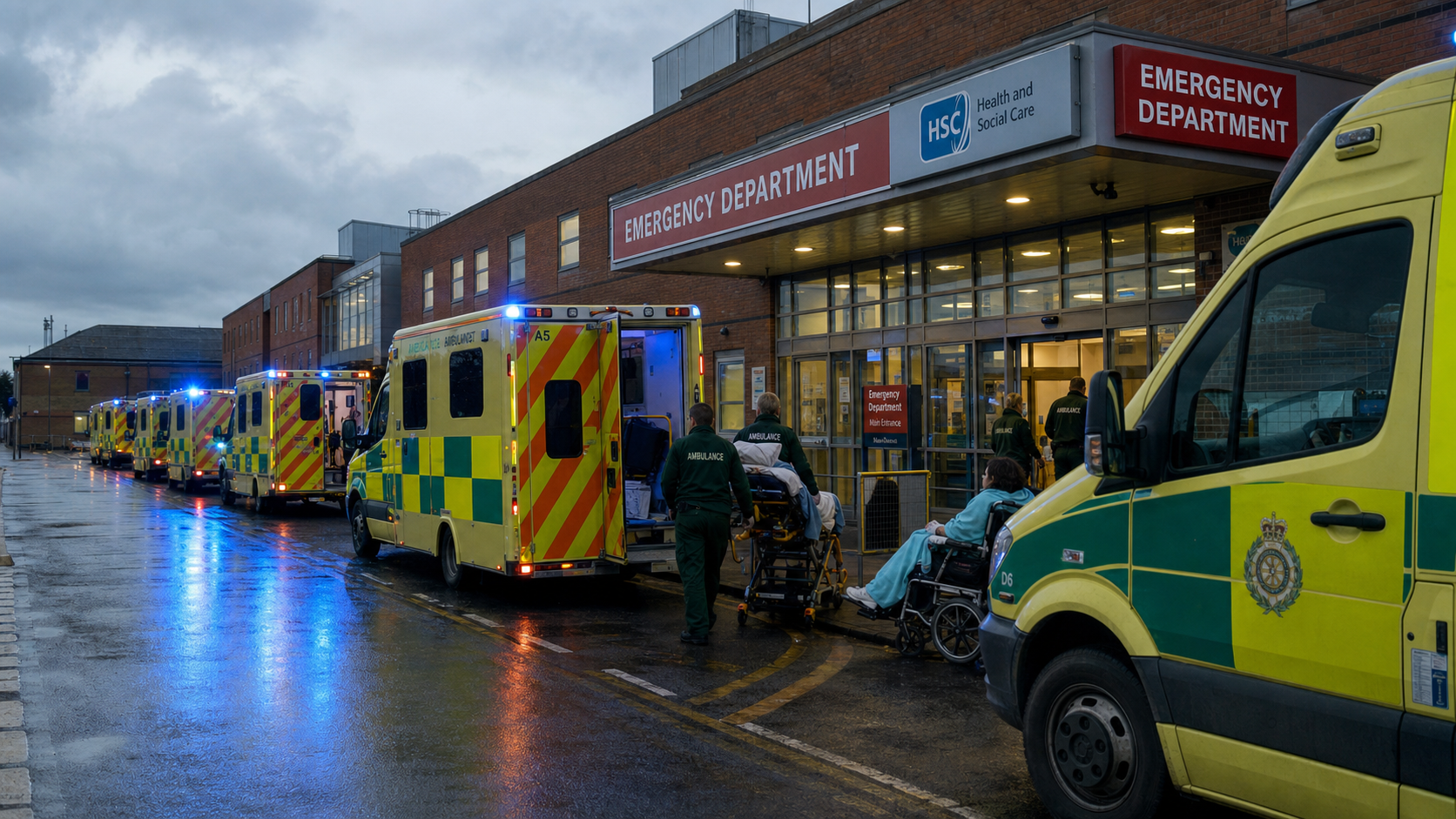
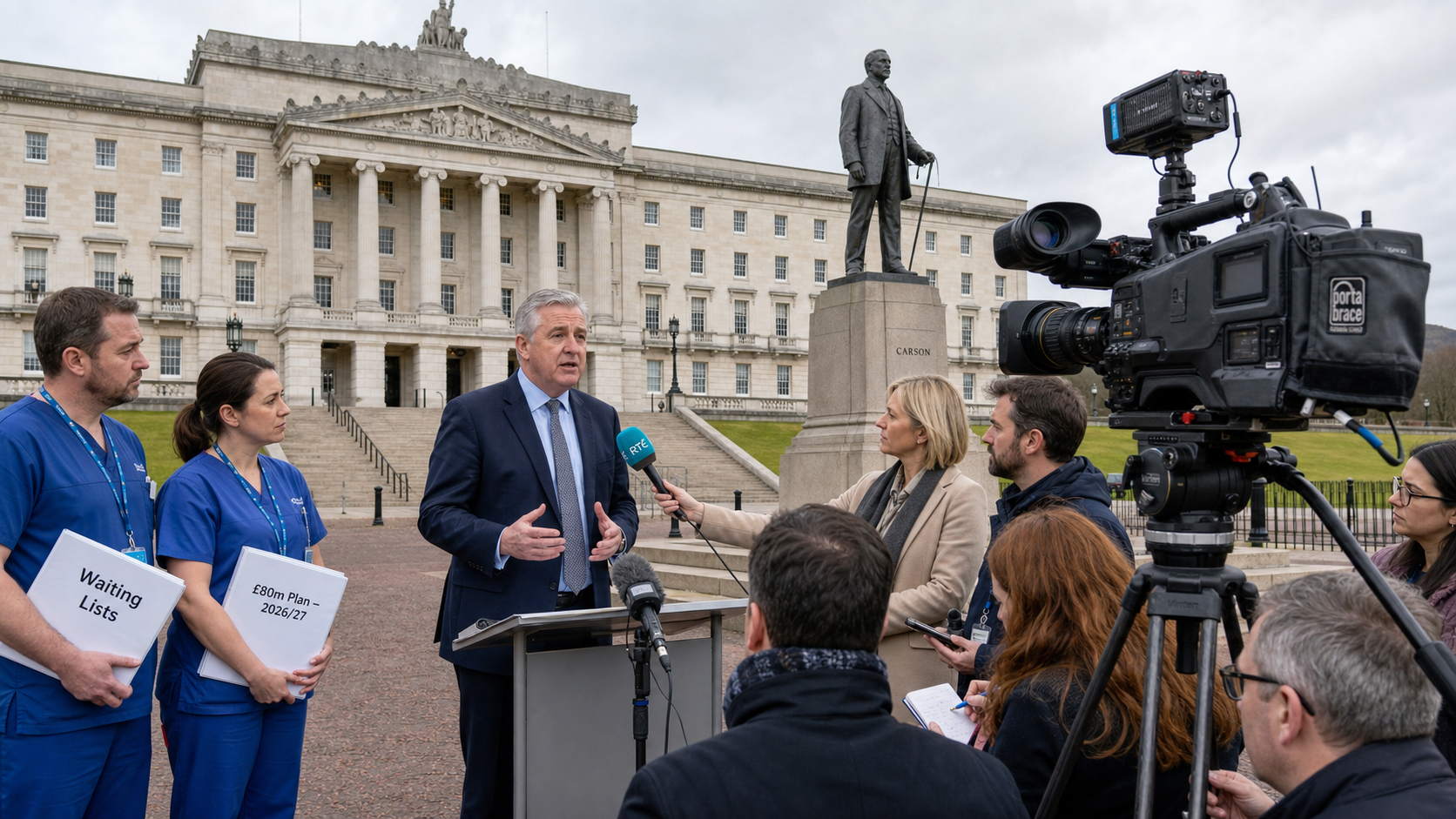
Northern Ireland's Health Minister Mike Nesbitt has announced a £80 million investment package for the 2026/27 financial year, specifically ringfenced to reduce the region's catastrophic hospital waiting lists — but he has cautioned that the health service remains in a precarious state and that the funding represents only the beginning of what will be a long and difficult recovery.
Background
Northern Ireland's hospital waiting lists have been among the worst in the United Kingdom for more than a decade, a crisis that predates the Covid-19 pandemic but was dramatically worsened by it. Over 500,000 patients are currently waiting for a first consultant-led outpatient appointment — a figure that represents more than a quarter of the entire population of Northern Ireland. Of those, more than half have been waiting for over a year, and tens of thousands have been waiting for more than four years.
The roots of the crisis lie in a combination of chronic underfunding, workforce shortages, and the structural fragmentation of health and social care services across the region's five trusts — Belfast, South Eastern, Southern, Western, and Northern. Northern Ireland has consistently received less per-capita health funding than England, Scotland, or Wales when adjusted for need, and successive Stormont executives have struggled to implement the kind of systemic reform recommended in the 2016 Bengoa Report, which called for a fundamental restructuring of how health services are delivered.
The situation has been further complicated by the repeated collapse of the Stormont institutions, which left Northern Ireland without a functioning executive for extended periods between 2017 and 2020, and again between 2022 and 2024. During those periods, health budgets were managed by civil servants operating under caretaker arrangements, with no political authority to make the major investment decisions required to address the backlog.
Key Developments
The £80 million package announced by Minister Nesbitt is targeted at specific high-pressure areas within the elective care system. General surgery capacity is to be boosted at Causeway Hospital in Coleraine, Daisy Hill Hospital in Newry, and South West Acute Hospital in Enniskillen — three sites that have been identified as having the greatest potential for rapid throughput increases. Additional funding is allocated to expand regional stroke thrombectomy services, which currently operate from a limited number of centres, and to enhance robotic surgery and ophthalmology capacity.
Diagnostic imaging — a critical bottleneck in the pathway from referral to treatment — is also a priority, with investment in additional MRI and CT scanning capacity at several trust sites. Mental health services, including Adult Mental Health and Child and Adolescent Mental Health Services, are to receive a dedicated allocation to address backlogs that have grown significantly in recent years. Minister Nesbitt has described the investment as a down payment on a longer-term programme of reform, rather than a solution in itself.
Speaking about the announcement, Nesbitt acknowledged that while recent progress had been made in reducing the longest waits — with a 67% drop in inpatient waits of more than four years and a 54% reduction in outpatient waits of similar duration — the health service was "only at the foothills of what will be a long uphill trek." He emphasised that there was "no quick fix" but that the department was focused on turning recent progress into sustainable improvement.
Why It Matters
The £80 million announcement is significant, but it needs to be understood in context. Northern Ireland's Department of Health estimates that clearing the current backlog entirely would require sustained investment of several hundred million pounds over multiple years, alongside fundamental changes to how services are organised and delivered. The ringfenced nature of this funding is important — previous health allocations have sometimes been absorbed into general departmental budgets without reaching the front line — but £80 million against a backlog of 500,000 patients represents a modest intervention.
The focus on Causeway, Daisy Hill, and South West Acute is strategically sound. These hospitals serve large rural catchment areas in the north, south, and west of the province where patients face the greatest barriers to accessing care in Belfast. Increasing capacity at these sites reduces the burden on the Royal Victoria and Belfast City hospitals, which are already operating at or beyond capacity. Unlike the Republic's approach, which has invested heavily in the National Treatment Purchase Fund to send patients to private hospitals, Northern Ireland's strategy is primarily focused on expanding public sector capacity — a choice that has both advantages and limitations.
The inclusion of mental health in the package is overdue. CAMHS waiting lists in Northern Ireland have reached crisis point, with some young people waiting more than two years for a first appointment. This is the third consecutive year in which mental health has been identified as a priority in health investment announcements, but advocates argue that the scale of investment has not yet matched the scale of the problem.
Local Impact
For patients in the Western Health and Social Care Trust area — covering Derry/Londonderry, Strabane, Omagh, and Enniskillen — the investment in South West Acute Hospital is particularly welcome. The hospital has faced persistent staffing challenges and has been the subject of ongoing concerns about its long-term viability as a full acute site. The additional surgical capacity will benefit patients across Fermanagh and Tyrone who currently face long journeys to Belfast for procedures that could be performed locally.
In the Southern Trust area, the investment in Daisy Hill Hospital in Newry will benefit patients across south Armagh, south Down, and the border counties. The hospital serves a large and geographically dispersed population, and increased surgical throughput will reduce the number of patients who must travel to Craigavon Area Hospital or Belfast for elective procedures. Translink's Newry bus services connect the hospital to communities across the trust area, making it an accessible site for patients without private transport.
What's Next
The £80 million investment will be deployed across the 2026/27 financial year, with individual trusts expected to publish implementation plans by September. The Department of Health's Elective Care Framework — a five-year plan to clear the backlog — is due for its annual review in October, at which point progress against targets will be assessed. Minister Nesbitt has indicated he will bring further proposals to the Executive before the end of the year, including measures to address the workforce shortages that underpin the waiting list crisis. A Stormont health committee hearing on the investment package is scheduled for later this month.