HAP Housing Scheme Failing Thousands as Simon Communities Find Just 20 Eligible Properties Nationwide
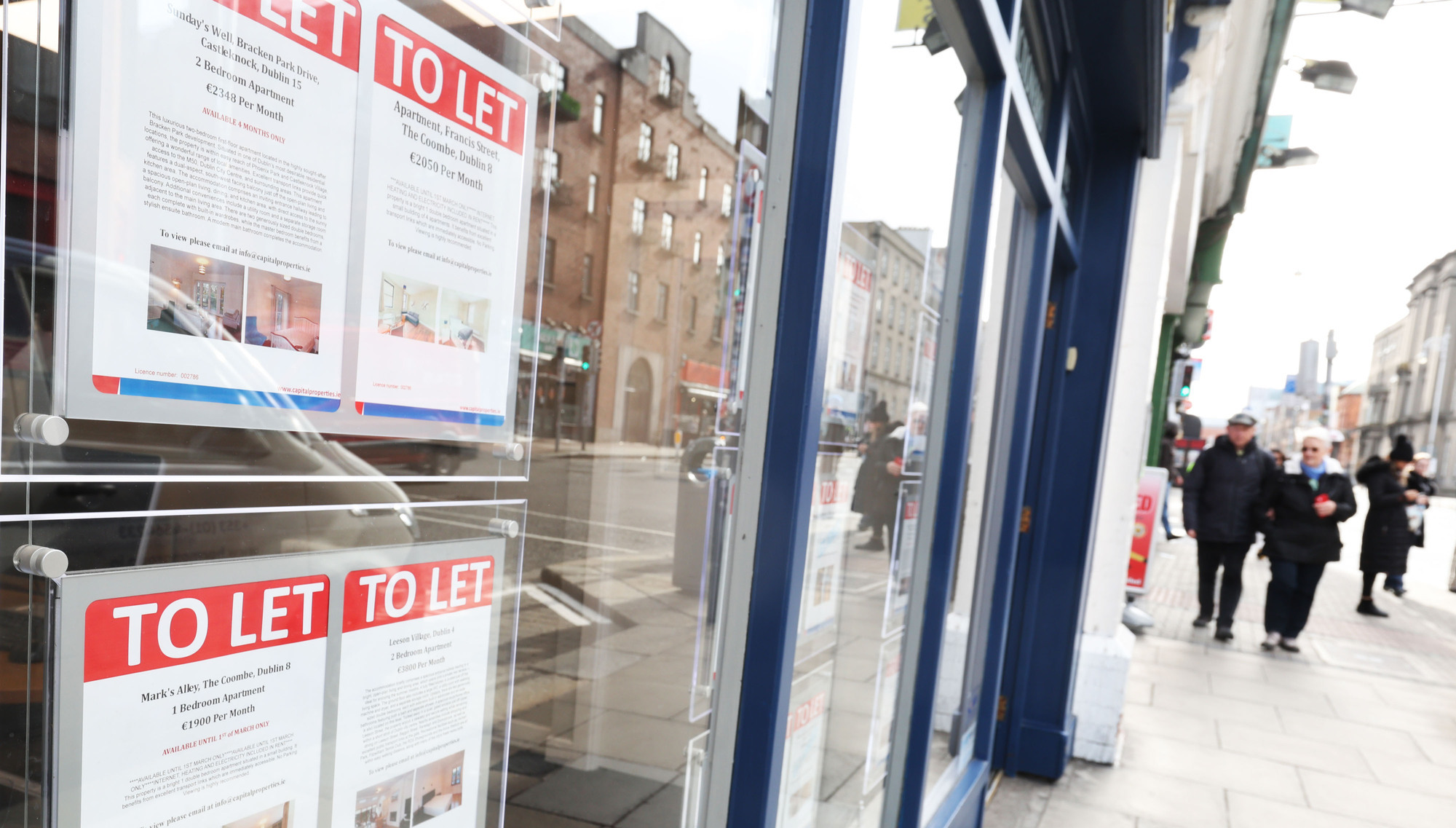
The Housing Assistance Payment scheme, which is supposed to provide a bridge between social housing waiting lists and the private rental market for thousands of vulnerable people across Ireland, is in a state of effective collapse, with the Simon Communities of Ireland finding just 20 properties available within HAP limits across 16 surveyed areas in June 2026 — and 12 of those areas having no eligible properties at all.
The findings, published in the organisation's latest "Locked Out of the Market" report, paint a stark picture of a scheme that has been overtaken by the realities of the rental market and is failing the people it was designed to help. Executive Director Ber Grogan described the situation as "a failure" and called for an immediate and comprehensive review of HAP limits to reflect current market conditions.
Background
The Housing Assistance Payment scheme was introduced in 2014 as a means of providing social housing support to people on local authority waiting lists by allowing councils to pay rent directly to private landlords on behalf of eligible tenants. The scheme was intended to be a flexible and responsive alternative to traditional social housing, allowing people to find accommodation in the private market while receiving state support.
However, the scheme has been undermined by the dramatic increase in private rents across Ireland over the past decade. HAP limits, which are set by the Department of Housing and vary by area and household size, have consistently failed to keep pace with market rents, leaving an ever-widening gap between what the scheme will pay and what landlords are charging. Local authorities have the discretion to exceed standard rates by up to 50% in Dublin and 35% in other regions, but even these enhanced rates are frequently insufficient to secure accommodation in the current market.
The result is that thousands of people who are technically eligible for HAP support are unable to find properties within the scheme's limits, leaving them trapped in emergency accommodation or at risk of homelessness. The Simon Communities have been documenting this crisis through their quarterly "Locked Out of the Market" surveys since 2015, and the June 2026 figures represent the worst outcome they have recorded.
Key Developments
Of the 1,303 rental properties available across the 16 study areas surveyed in June 2026, just 20 — or 1.5% — were within HAP limits. Of those 20 properties, 17 were in Dublin, which accounted for 85% of all HAP-eligible stock nationally. Outside the capital, only Kildare offered any HAP-eligible accommodation, with just three properties. Cork City Centre, Dundalk, and Sligo Town all lost their remaining HAP-eligible stock between March and June 2026.
Grogan said the figures demonstrated that the HAP scheme, in its current form, was not fit for purpose. "People are being locked out of the market entirely," she said. "They are eligible for support, they are trying to find accommodation, but there is simply nothing available within the limits. The scheme needs to be fundamentally reformed, and that reform needs to happen now — not in the next budget cycle, not after another review, but now."
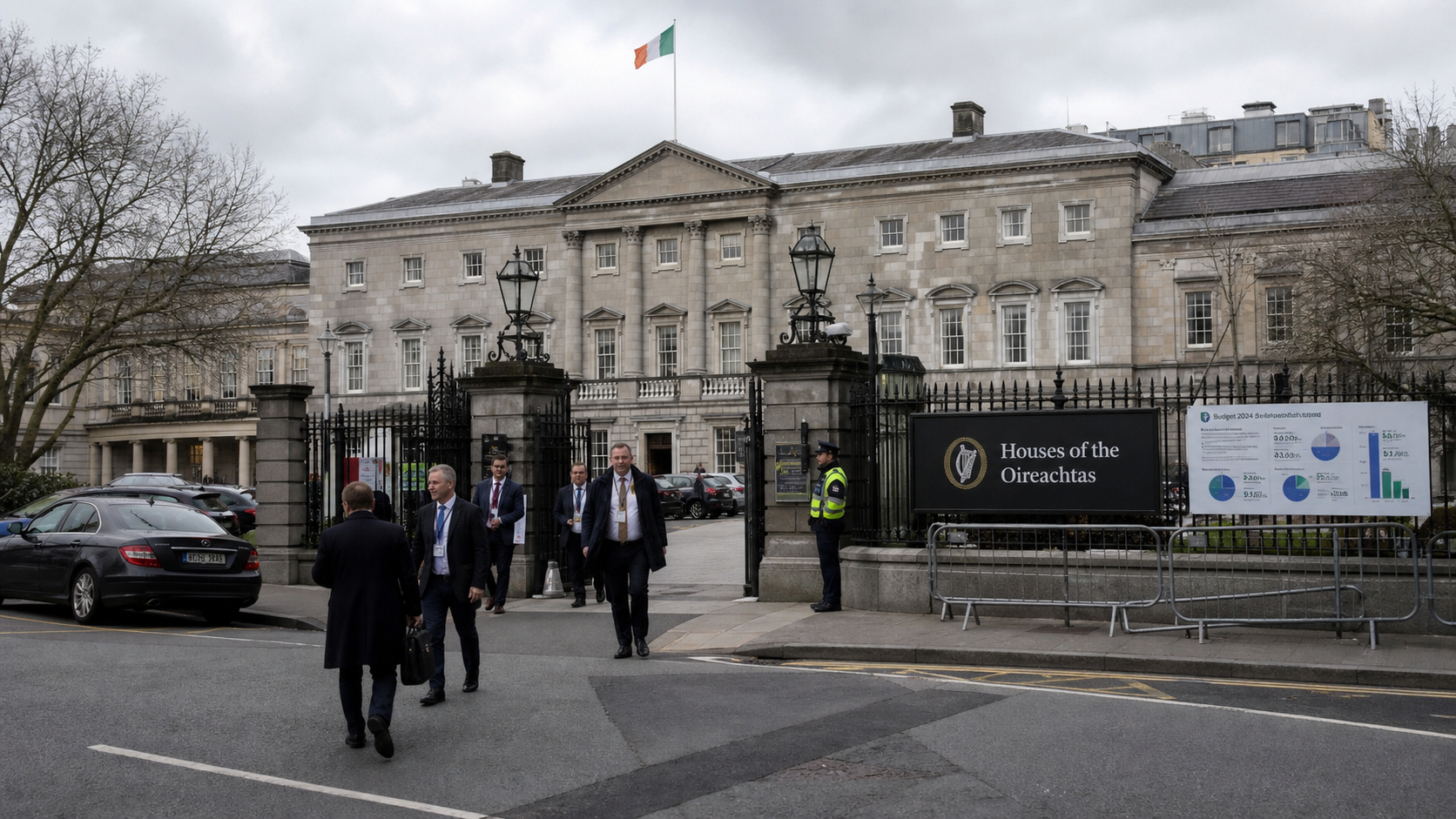
The Department of Housing has acknowledged the pressures on the scheme and has indicated that a review of HAP limits is under consideration as part of the Budget 2027 process. However, advocacy groups have argued that a review is insufficient and that what is needed is a wholesale restructuring of the scheme to align it with market realities.
Why It Matters
The HAP crisis is a symptom of a broader failure of housing policy in Ireland that has been building for more than a decade. The private rental market, which was always an imperfect vehicle for delivering social housing support, has become increasingly inaccessible to those on lower incomes as rents have risen to levels that are simply unaffordable without substantial state subsidy. The HAP scheme, which was designed to bridge that gap, has instead become a mechanism for documenting the scale of the failure.
For the individuals and families who are caught in this situation — eligible for support but unable to find accommodation within the scheme's limits — the consequences are severe. Many are living in emergency accommodation, in overcrowded conditions, or in properties that are technically outside the scheme's limits and for which they are making "top-up" payments to landlords that are not covered by HAP. These top-up payments, which are technically illegal under the scheme's rules, are widespread and represent a significant additional financial burden on people who are already struggling.
The concentration of HAP-eligible properties in Dublin also reflects a broader geographic inequality in the housing market. Outside the capital, the rental market is in many areas even more constrained relative to HAP limits, leaving people in regional cities and towns with even fewer options than those in Dublin.
Local Impact
The impact of the HAP crisis is felt most acutely in the areas where the scheme is most needed — the cities and towns where housing costs are highest and where the gap between HAP limits and market rents is widest. In Cork city, where the rental market has tightened significantly in recent years, the complete absence of HAP-eligible properties means that people on the social housing waiting list have effectively no access to private rental support. In Dundalk and Sligo, the situation is similarly dire. The Simon Communities' offices in these areas are dealing with increasing numbers of people who are technically eligible for HAP but unable to use it.
What's Next
The Simon Communities have called for an emergency review of HAP limits ahead of Budget 2027, which is expected to be announced in October. The organisation has also called for a broader review of the scheme's design, including the rules around top-up payments and the discretionary rate system. The Department of Housing is expected to publish its response to the "Locked Out of the Market" report in the coming weeks, and the issue is likely to feature prominently in pre-budget discussions between advocacy groups and government ministers.