Government Jet Lands in Dubai as Daniel Kinahan Faces Extradition to Face Special Criminal Court
An Irish government jet — a Dassault Falcon 6X — landed in Dubai on Sunday morning to collect Daniel Kinahan, the alleged leader of one of Europe's most dangerous organised crime groups, who is expected to be brought before the Special Criminal Court in Dublin on Sunday evening following the exhaustion of his legal appeals against extradition from the United Arab Emirates.
Background
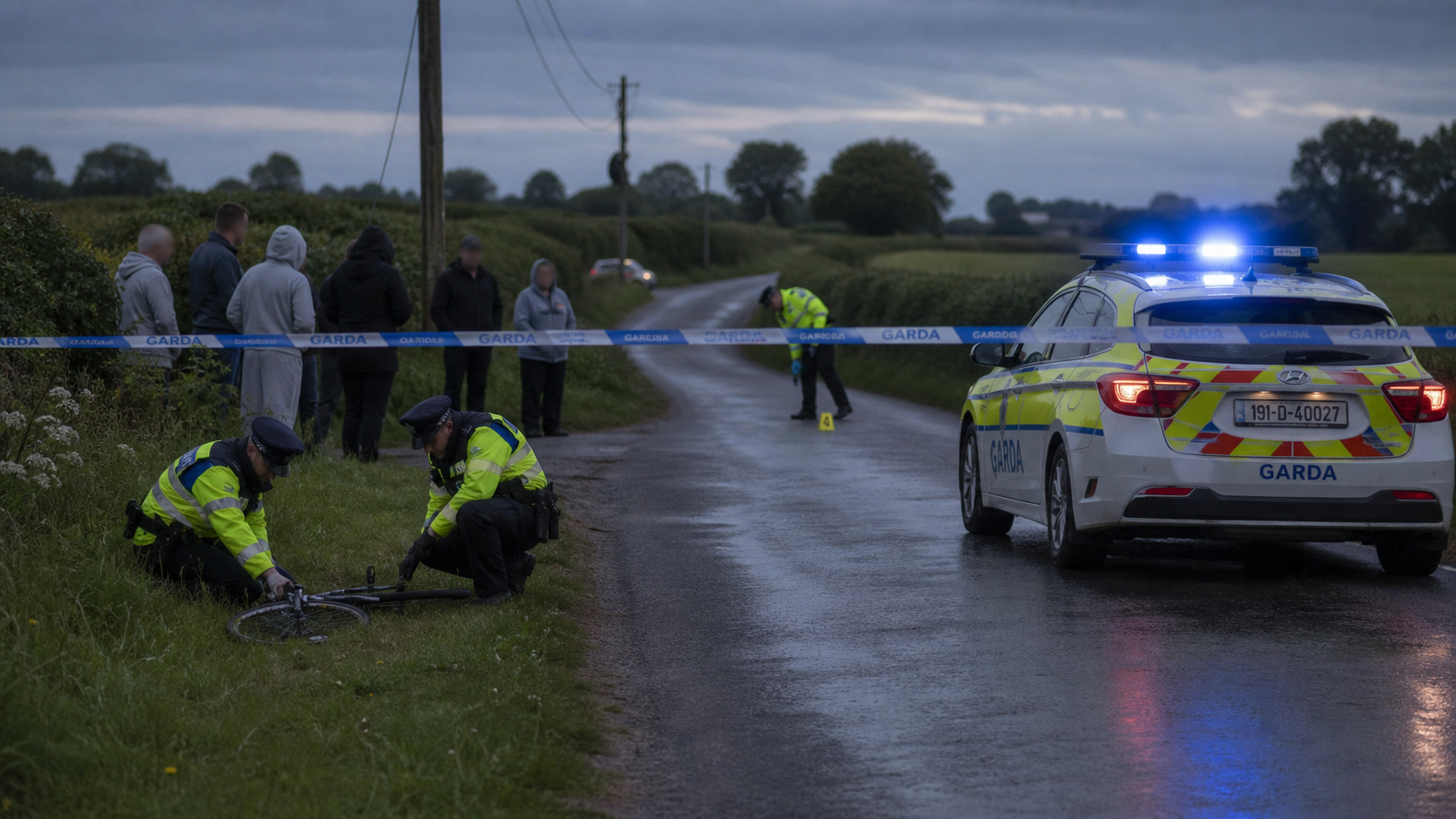
Daniel Kinahan, 49, has been the primary target of An Garda Síochána's organised crime investigations for more than a decade. Since 2016, he has lived openly in Dubai, from where he allegedly directed the Kinahan cartel — an organisation that Irish and international authorities have linked to global drug trafficking, firearms offences, and the long-running Hutch-Kinahan feud that claimed 18 lives between 2015 and 2018, including the notorious Regency Hotel attack in Dublin in February 2016.
The United States government imposed sanctions on Kinahan in April 2022, offering a reward of up to $5 million for information leading to his arrest and describing him as a senior leader of a criminal organisation responsible for a significant share of Europe's cocaine supply. The sanctions effectively ended his involvement in professional boxing promotion, a role that had given him a degree of public legitimacy and international visibility.
Kinahan was arrested in Dubai in April 2026 following an extradition request from Irish authorities, facilitated by a bilateral extradition treaty between Ireland and the UAE that came into effect in 2025. He mounted a two-stage legal challenge to prevent his removal, but his final appeal was rejected in late July 2026, clearing the way for the extradition to proceed. The speed with which the legal process concluded was faster than Irish authorities had initially anticipated.
Key Developments
The Irish government jet departed from Casement Aerodrome in Baldonnel on Saturday, August 8, chosen specifically for its strategic range — the Falcon 6X is capable of flying directly to Dubai without refuelling stops, a logistical consideration that was central to the planning of the operation. Upon Kinahan's arrival in Ireland, a major security operation involving armed Gardaí and military personnel will escort him from Casement Aerodrome to the Criminal Courts of Justice in Dublin. A new blast-proof and bulletproof prison van has been prepared for the transfer, with a Defence Forces helicopter also on standby as a contingency.
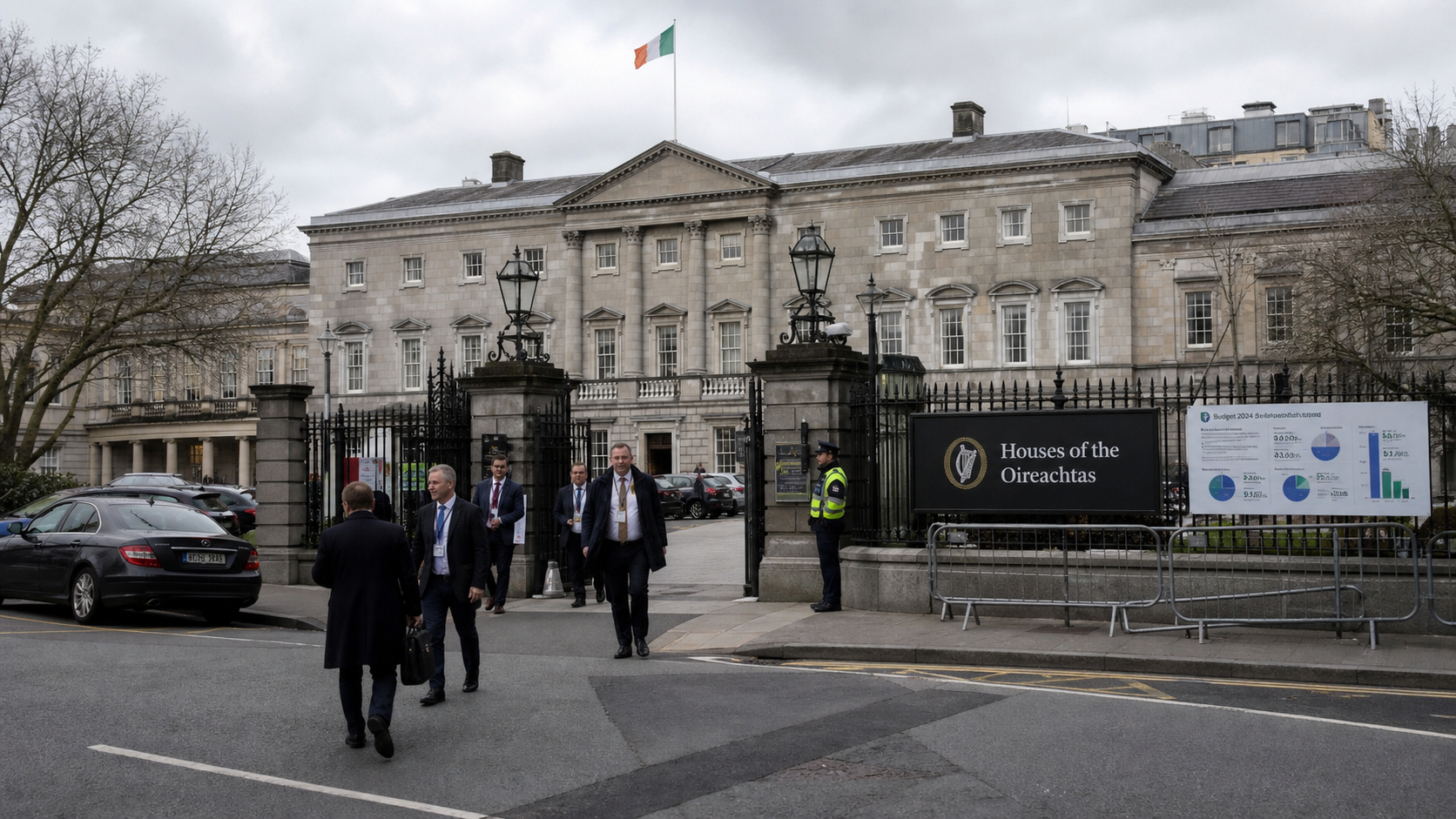
Kinahan is expected to be charged with directing an organised crime group and brought before the Special Criminal Court — the non-jury court established to try serious organised crime and terrorism offences — on Sunday evening. Following his court appearance, he is expected to be remanded in custody to the A5 unit of the A block at Portlaoise Prison, the state's highest-security facility. The Irish Prison Service has upgraded facilities at Portlaoise in anticipation of his arrival.
Why It Matters
The extradition of Daniel Kinahan is the most significant development in Irish organised crime enforcement in a generation. His arrest and return to Ireland represents the culmination of years of diplomatic effort, international police cooperation, and legal process — and it sends a clear message that no individual, regardless of their resources or their choice of jurisdiction, is beyond the reach of Irish law. The Kinahan cartel's operations have caused immeasurable harm: the 18 deaths of the Hutch-Kinahan feud devastated families and communities across Dublin and beyond, and the organisation's drug trafficking activities have contributed to addiction and violence across Ireland and Europe.
The extradition also validates the bilateral treaty with the UAE, which was the subject of considerable political debate when it was being negotiated. Critics argued that the UAE's human rights record made it an unsuitable treaty partner; supporters argued that the practical benefits of the agreement — including the ability to extradite individuals like Kinahan — outweighed those concerns. Sunday's operation suggests the latter argument has prevailed, at least in this instance.
Local Impact
For the communities in Dublin's north inner city and beyond that were most directly affected by the Hutch-Kinahan feud, the news of Kinahan's extradition will be received with a mixture of relief and cautious hope. The feud's violence was concentrated in specific areas — Ballybough, Cabra, Finglas, and parts of the north inner city — and the families of those killed have waited years for accountability. The Special Criminal Court proceedings will be closely watched by victims' families and by the broader public. The Garda National Drugs and Organised Crime Bureau, which has led the investigation into the Kinahan cartel, will now prepare for what is expected to be a complex and lengthy prosecution.
What's Next
Kinahan's appearance before the Special Criminal Court on Sunday evening will be the first step in what is expected to be a lengthy legal process. He will be formally charged and remanded in custody, with a date set for a preliminary hearing. The prosecution is expected to rely on evidence gathered over many years by the Garda National Drugs and Organised Crime Bureau, as well as intelligence shared by international partners including the US Drug Enforcement Administration and Europol. Legal proceedings of this complexity typically take years to reach trial, and Kinahan's legal team is expected to mount a vigorous defence. The case will be one of the most significant criminal prosecutions in the history of the Irish state.