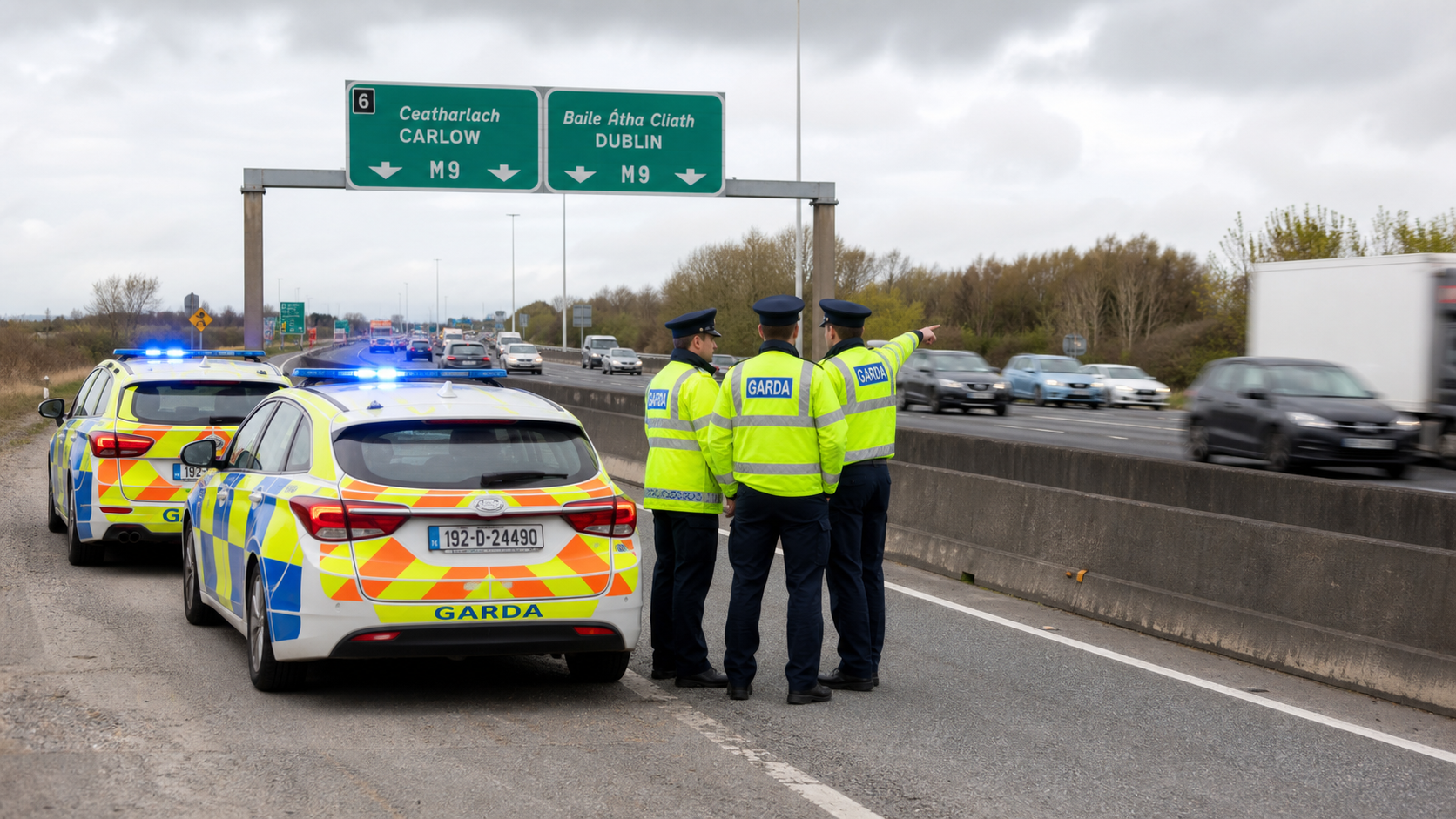
Garda Pursuit Training and New Wrong-Way Driving Law Promised After M9 Crash Kills Five Teenagers
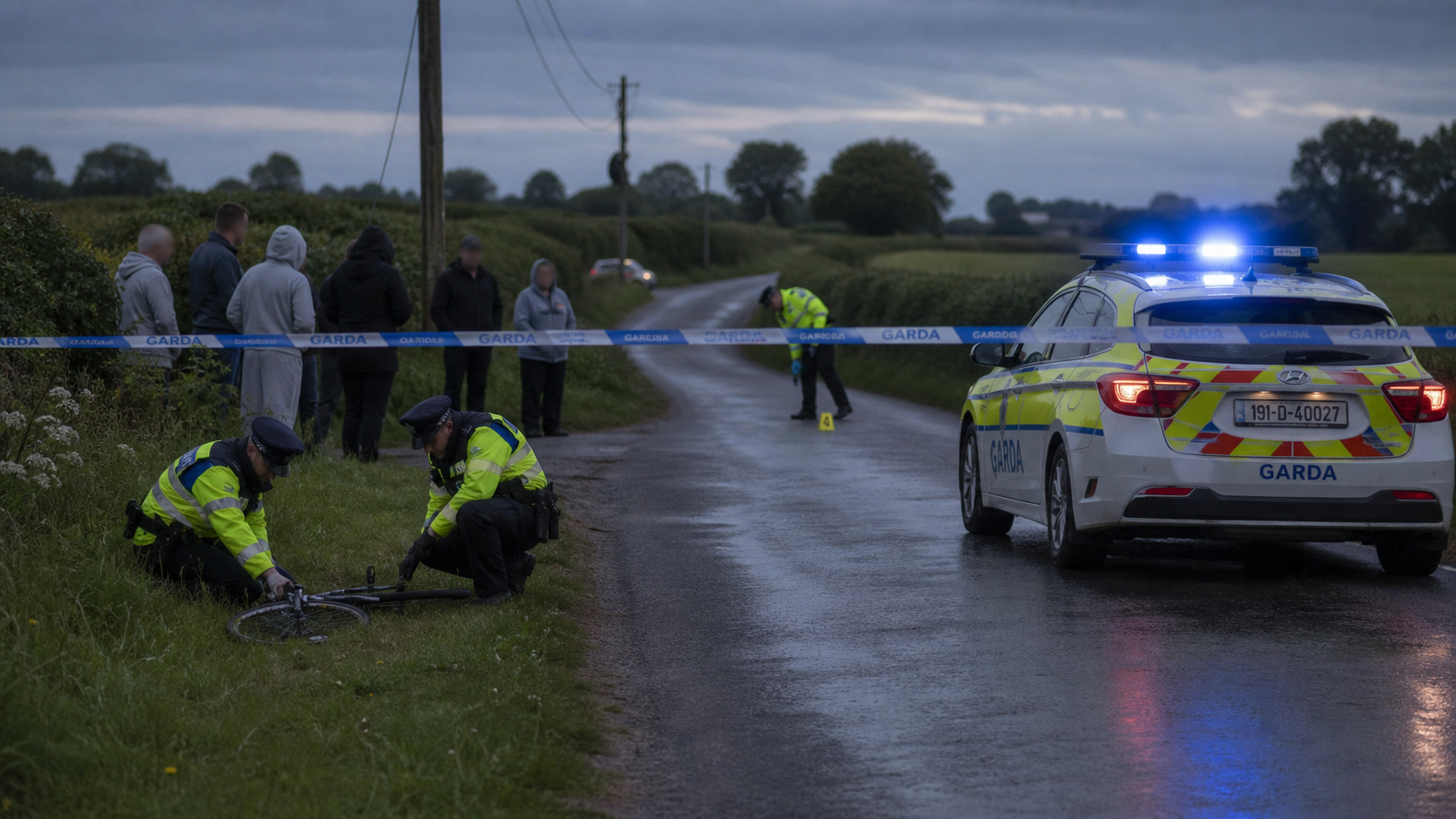
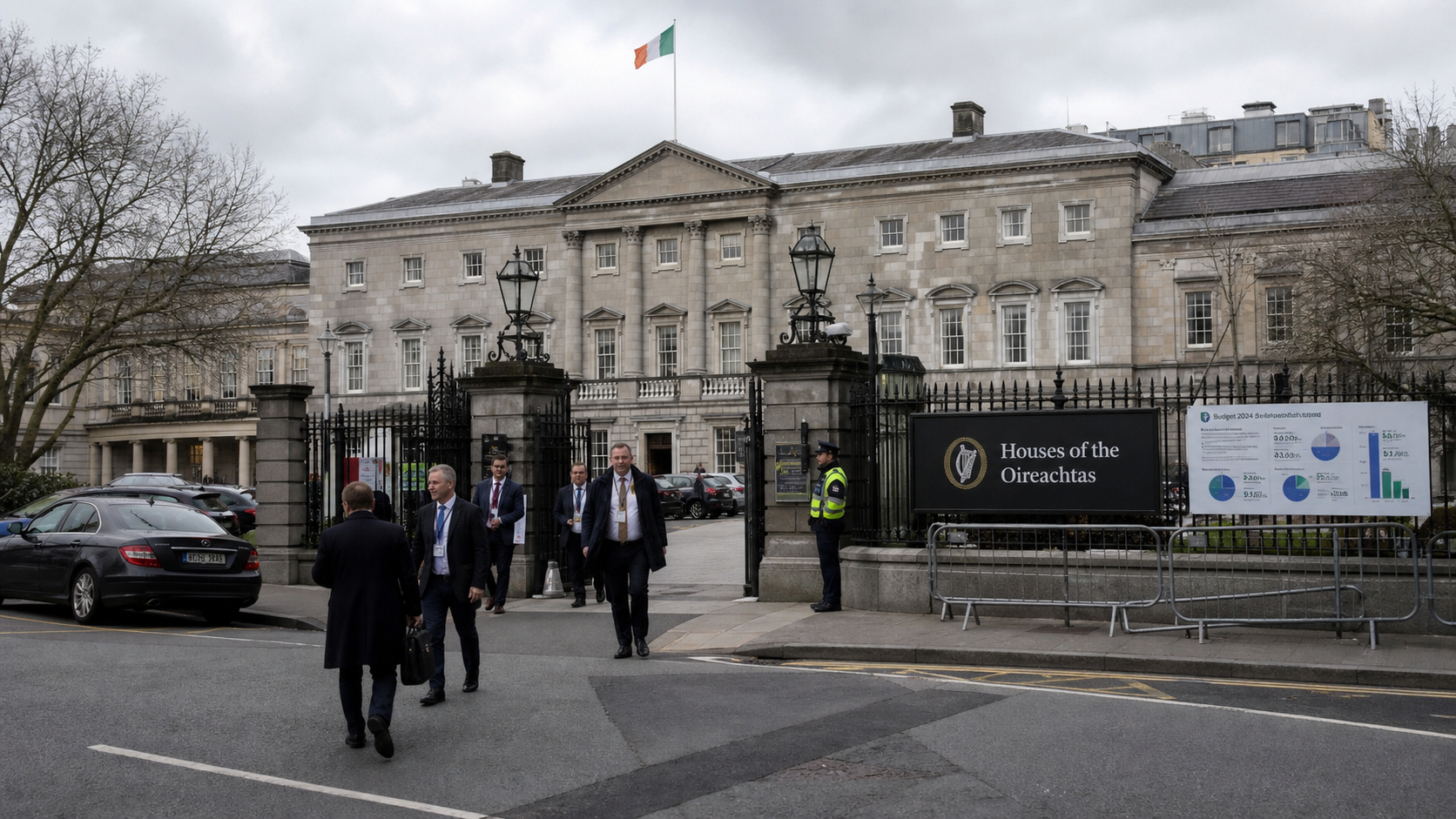
Justice Minister Jim O'Callaghan has confirmed that An Garda Síochána will receive specialised pursuit training for the first time in the force's history, and that new legislation is being drafted to create a specific criminal offence for deliberately driving the wrong way on a motorway, following the catastrophic M9 crash on Saturday night that claimed the lives of five teenagers and left four others seriously injured.
Background
The M9 motorway crash, which occurred in the early hours of Sunday morning near Athy in County Kildare, has shocked the country and reignited a long-running debate about road safety, garda pursuit policy, and the culture of dangerous driving that has claimed dozens of lives on Irish roads in recent years. A stolen black BMW was driven the wrong way down the motorway — reportedly up to three times — before colliding head-on with a car carrying three women and a young boy, all of whom were seriously injured.
The five teenagers killed in the BMW have been named locally as Joey Carthy, Jack Kennedy, Alex McCarthy, Jeremy O'Brien, and Kamil Pustkowski. Gardaí believe the group, who were masked, had been deliberately driving against the flow of traffic in an attempt to evade pursuit — a tactic that has been observed in a number of previous incidents involving stolen vehicles and joyriding in the Carlow and Kildare areas.
The tragedy has exposed a significant gap in garda training. The Garda Representative Association had previously highlighted that no members of the force were trained in pursuit tactics, with most gardaí holding only "competency-based driving" level 1 certification, which prohibits the activation of blue lights and sirens during engagement. The absence of pursuit training has meant that gardaí have been effectively unable to follow vehicles being driven dangerously, a limitation that has frustrated officers and left communities feeling unprotected.
Key Developments
Minister O'Callaghan confirmed on Monday that Garda Commissioner Justin Kelly has committed to introducing pursuit training for the force for the first time. The training programme, which will be modelled on approaches used by police forces in Great Britain and elsewhere, will equip a cohort of gardaí with the skills and legal framework to engage in vehicle pursuits safely and proportionately.
The Government is also preparing new legislation to address the specific behaviour that led to Saturday's tragedy. A new criminal offence is being created for individuals who make a deliberate decision to drive a vehicle the wrong way down a motorway — behaviour that O'Callaghan described as "using a vehicle as a weapon." Separate legislation will strengthen protections for gardaí who must make split-second decisions about whether to pursue dangerously driven vehicles.
The Taoiseach stated there can be "no tolerance" for reckless driving, while TikTok and Meta have been called upon to take greater responsibility for removing content that glorifies dangerous driving. A network of social media accounts had been identified as promoting joyriding and garda pursuits to young audiences, with some videos accumulating thousands of views before being taken down.
Why It Matters
The M9 crash is not an isolated incident. It is the latest in a series of tragedies involving stolen vehicles, dangerous driving, and the complex question of when and how gardaí should pursue vehicles being driven recklessly. The absence of pursuit training has been a known gap for years, and the failure to address it before now will inevitably prompt questions about why it took a catastrophe of this magnitude to force action.
The new wrong-way driving offence fills a genuine gap in the law. Under existing legislation, dangerous driving causing death carries a maximum sentence of ten years, but there is no specific offence that captures the deliberate, premeditated nature of driving against motorway traffic. The creation of a specific offence sends a clear signal about the seriousness with which the state views this behaviour.
The social media dimension of the problem is also significant. The culture of filming and sharing dangerous driving videos has created a perverse incentive structure in which the more dangerous the behaviour, the more "likes" it attracts. Addressing this will require sustained engagement with platforms that have, to date, been slow to act.
Local Impact
In Carlow and Kildare, where the victims lived and where the community is in a state of profound shock, the political response has been welcomed but tempered by grief. Families in Carlow town, Athy, and surrounding areas are coming to terms with the loss of five young people, while the three women and young boy injured in the other vehicle remain in hospital. The HSE's National Ambulance Service and the emergency departments at Naas General Hospital and St Luke's General Hospital in Kilkenny have been involved in the care of the injured.
Local Garda divisions in Carlow and Kildare have been under sustained pressure from communities concerned about joyriding and stolen vehicles, and the announcement of pursuit training has been welcomed by officers who have felt hamstrung by the current limitations on their ability to engage with dangerous drivers.
What's Next
The pursuit training programme is expected to begin later this year, with a phased rollout across garda divisions. The new legislation on wrong-way driving and garda pursuit protections will be drafted over the coming months, with the Government indicating it will be prioritised for the autumn Dáil term. Post-mortems on the five teenagers are due to be completed this week, and the PSNI investigation into the circumstances of the crash is ongoing. A coroner's inquest will be held at a later date.