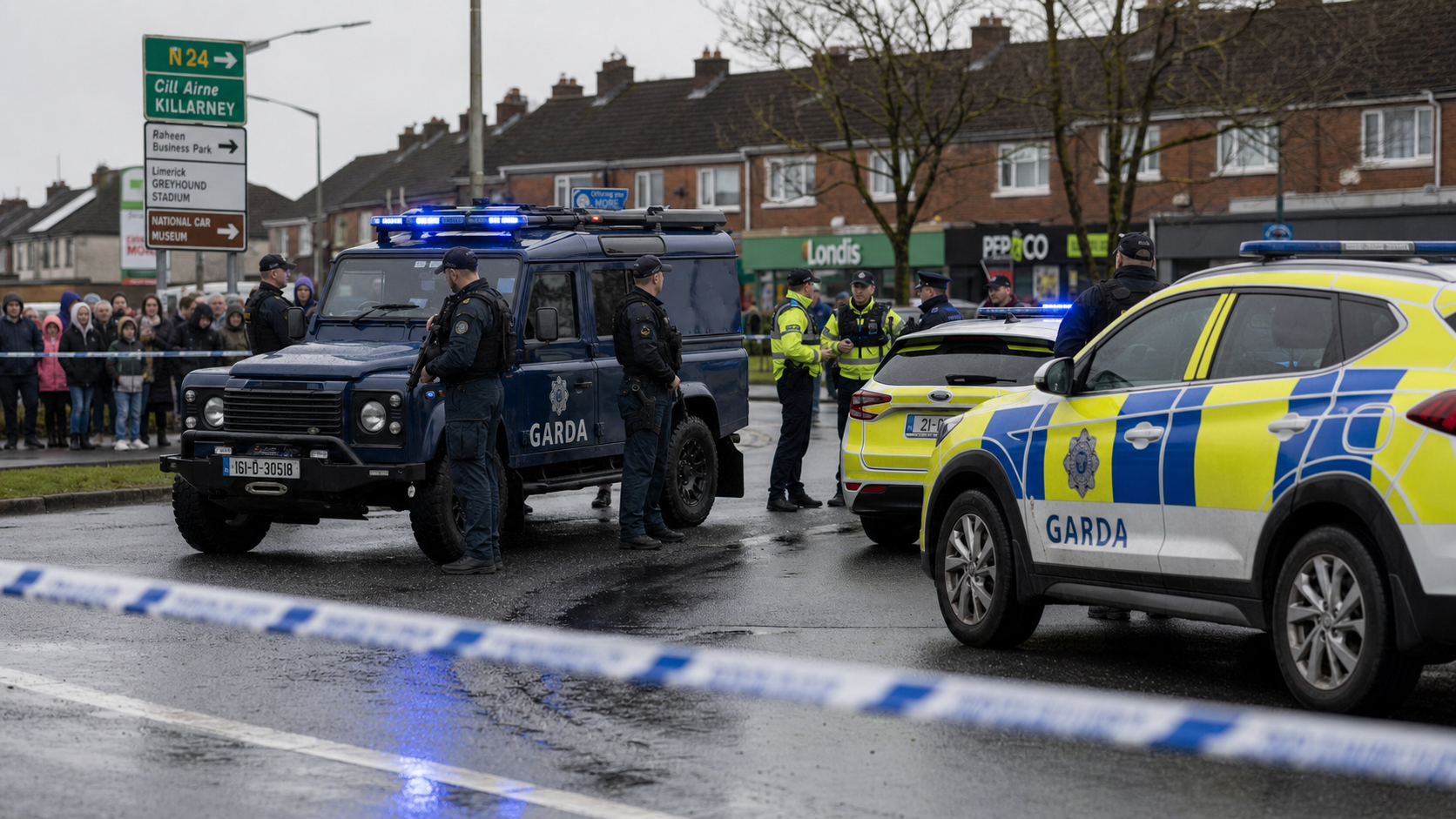
Gardaí Deploy Armed Units as Limerick Feud Violence Escalates with Daylight Shooting and Masked Gatherings
An Garda Síochána has deployed four armed support units and a public order unit to Limerick following a dramatic escalation of feud violence centred on the Childers Road area, including a daylight shooting in which two masked gunmen fired seven shots at residential dwellings, a gathering of approximately 40 masked individuals armed with handguns and slash hooks, and an incident in which three Garda vehicles were struck by rocks and bricks.
Background
Limerick has a long and troubled history with organised crime and feud violence, stretching back to the gang wars of the 1990s and 2000s that earned the city a reputation it has worked hard to shed. The Garda Síochána's Operation Anvil and subsequent targeted policing strategies achieved significant reductions in serious crime in the city over the following decade, and Limerick's economic and social regeneration — driven by investment in the city centre, the University of Limerick, and surrounding communities — has been one of the more encouraging stories in Irish civic life.
The current feud, which centres on rival factions in the Childers Road area, represents a serious setback to that progress. The violence that erupted between Friday 14 August and Tuesday 18 August was notable for its brazenness — conducted in daylight, live-streamed on social media, and apparently indifferent to Garda presence. That combination of factors suggests a level of organisation and confidence among those involved that is deeply concerning to law enforcement.
The Childers Road area, on the southern outskirts of Limerick city, has been the focus of previous feud-related incidents. The presence of halting sites in the area has been a factor in some of the tensions, though community representatives have consistently emphasised that the violence involves a small number of individuals and does not reflect the broader community.
Key Developments
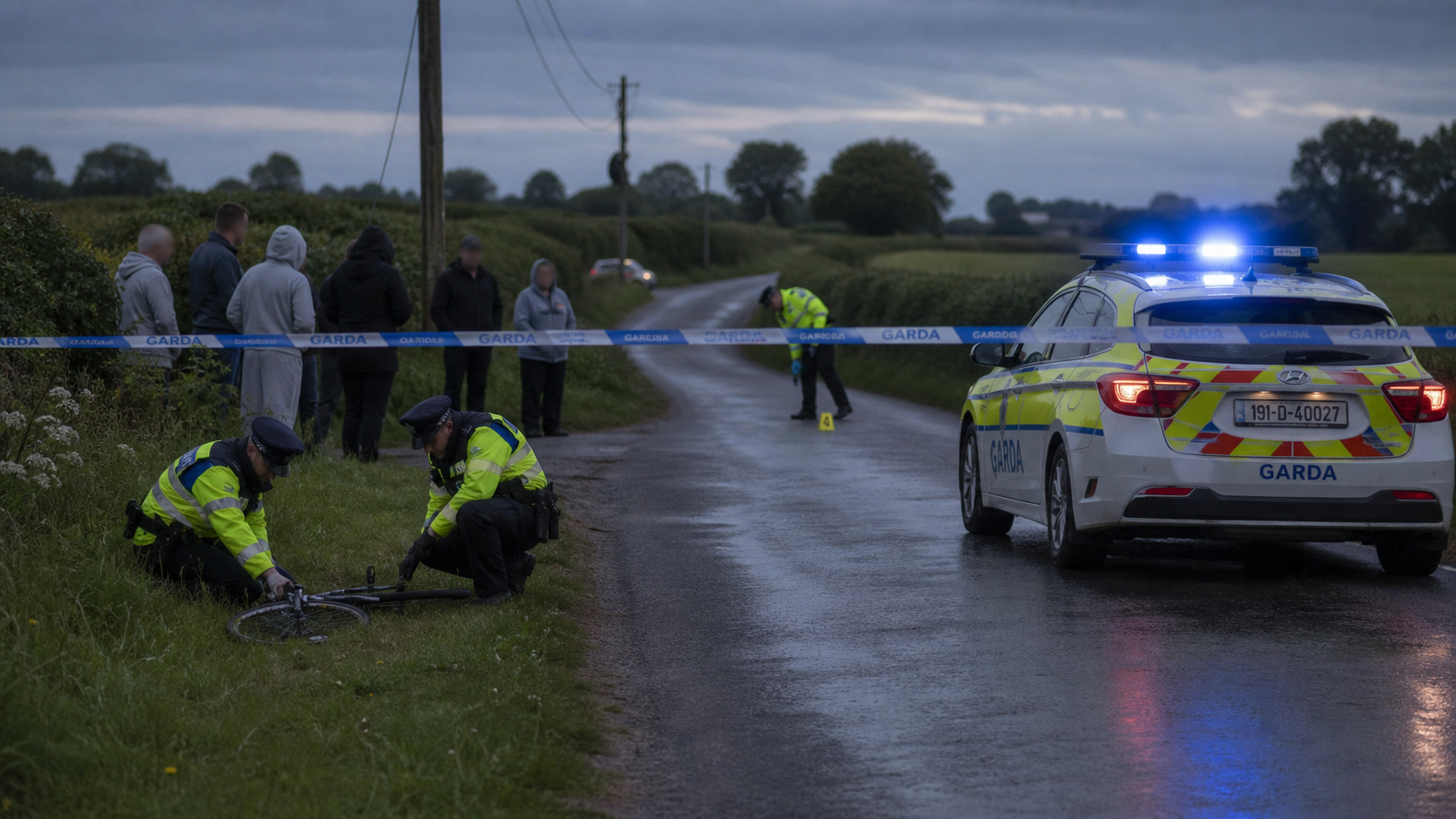
The most serious incident occurred on Monday afternoon, 17 August, when two masked gunmen exited a vehicle at the entrance of a halting site on Childers Road and fired seven shots from handguns toward residential dwellings. No injuries were reported, and the area was cordoned off for forensic examination. The shooting followed a Sunday night gathering of approximately 40 masked individuals near the same site, armed with an array of weapons including handguns, slash hooks, hurleys, shovels, golf clubs, iron bars, and sticks. The group live-streamed what was described as a "call-out" to their rivals.
Gardaí arrested four individuals in connection with the Sunday night public order incident: two men in their 20s, one man in his 30s, and a teenage male. The three adults were charged and appeared before Limerick District Court; the teenager was released pending referral to the Youth Diversion Programme. Investigations into the Monday shooting remain ongoing, with Gardaí appealing for witnesses.
The Irish Examiner reported that a car was also used to strike pedestrians during the feud, and that three Garda vehicles sustained damage when targeted with rocks, bricks, and stones during patrols. The deployment of four armed support units and one public order unit represents a significant escalation of the Garda response.
Why It Matters
The Limerick feud violence arrives at a moment when public concern about crime and public order is already elevated, following the M9 motorway tragedy and ongoing debate about juvenile crime and social media's role in amplifying dangerous behaviour. The brazenness of the Childers Road incidents — conducted in daylight, filmed and shared online — reflects a pattern that Gardaí and policymakers are struggling to address effectively.
The live-streaming of the Sunday night gathering is particularly significant. It suggests that those involved were not merely conducting violence but performing it — seeking an audience and, implicitly, a response. That dynamic, in which social media amplifies and incentivises dangerous behaviour, is one that law enforcement agencies across Ireland and the UK are grappling with without yet having found effective countermeasures.
For Limerick, the violence threatens to undermine years of painstaking work to improve the city's reputation and attract investment. The city's designation as European Capital of Culture for 2020 — delayed by the pandemic — and its ongoing development as a university city and tech hub have been built on a narrative of transformation. Feud violence of this scale and visibility challenges that narrative directly.
Local Impact
Residents in the Childers Road area and surrounding neighbourhoods have described living in fear during the period of violence, with some families keeping children indoors and avoiding the area after dark. Community leaders have called for sustained Garda presence and for investment in youth services and conflict resolution in the affected areas.
Limerick City and County Council has been in contact with Garda management about the situation, and local TDs have raised the matter with the Minister for Justice. The deployment of armed support units provides immediate reassurance, but community representatives have emphasised that policing alone cannot resolve the underlying tensions that fuel feud violence.
What's Next
Garda investigations into the Monday shooting and the broader feud activity are ongoing. The Garda Commissioner has indicated that the armed support presence in Limerick will be maintained for as long as necessary. Community mediation services have been contacted about potential engagement with the parties involved, though the prospects for mediation in the immediate term are uncertain given the intensity of the recent violence.