Four Killed in School Shooting in Turkey as Global Gun Violence Concerns Mount
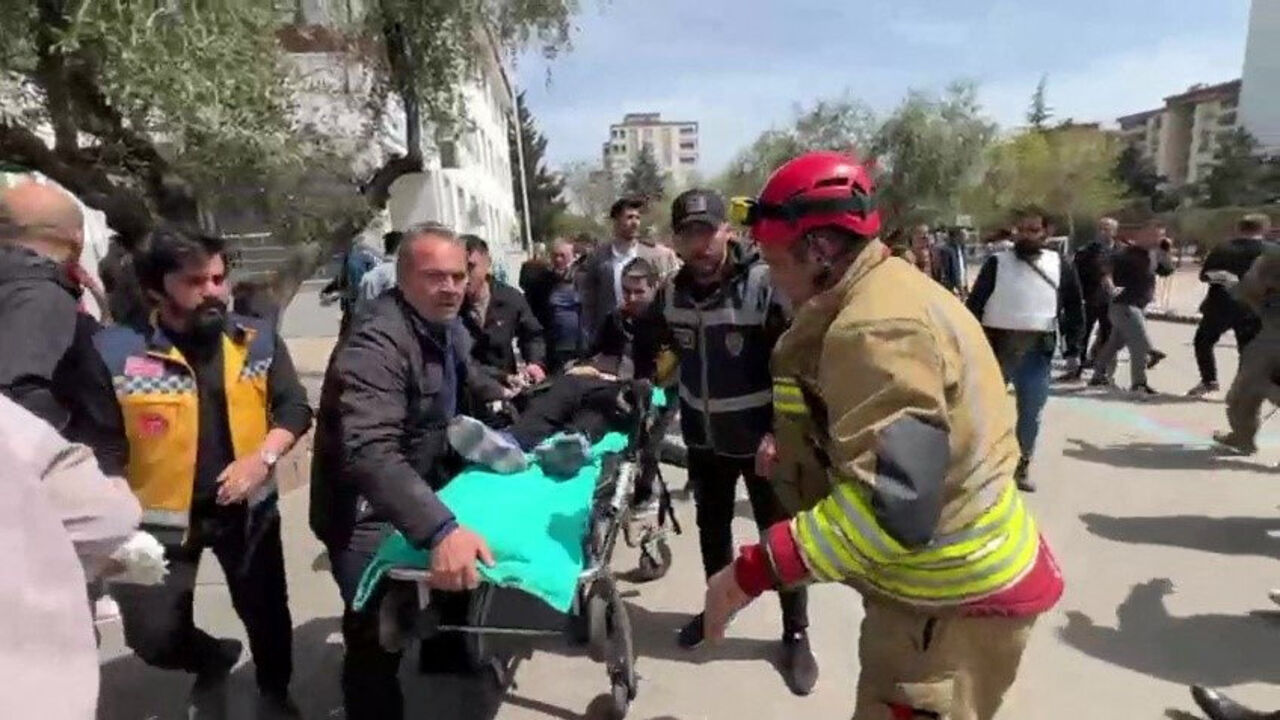
A student opened fire at a school in Turkey on Saturday, killing four people in one of the deadliest school shootings in the country's recent history, as Turkish authorities launched an investigation into the attack and an outpouring of grief prompted renewed debate about school safety and gun control.
The attack, which occurred at a secondary school in southern Turkey, has sent shockwaves across the country and reignited a difficult national conversation about youth mental health, illegal firearm access, and the security of educational institutions. It follows a separate school shooting incident just days earlier, raising fears that Turkey may be facing an unprecedented wave of gun violence in its schools.
Background
While far less common than in countries like the United States, school attacks are not unprecedented in Turkey. Records show at least 60 attacks on educational institutions over the years, resulting in dozens of deaths and injuries prior to the April 2026 events. The previous deadliest incident was a 2018 shooting at Eskişehir Osmangazi University where a research assistant killed four colleagues.
Turkey maintains strict gun laws under Law No. 6136, which treats firearm ownership as a privilege requiring a licence, not a right. Applicants must be at least 21, pass rigorous criminal and mental health background checks, and state a specific purpose for ownership, such as hunting or sport. However, the proliferation of illegal firearms remains a major challenge, with estimates suggesting there may be up to 25 million unregistered guns in the country — a figure that underscores the gap between legislation and enforcement.
Investigators found that the attacker had accessed firearms belonging to a family member, highlighting the dangers of unsecured weapons in the home. The investigation has focused on the attacker's personal history, mental health background, and potential online influences, with authorities ruling out terrorism as a motive.
Key Developments
Turkish authorities launched an immediate investigation into the attack, with government ministers dispatched to the affected region to manage the aftermath. In an effort to control the narrative and prevent panic, the Ministry of Justice issued a broadcast ban on coverage of the shooting. Justice Minister Akın Gürlek announced that dozens of people had been detained for their online activities related to the attack, with charges including sharing graphic footage, spreading fear and misinformation, and "praising crime." Restrictions were placed on hundreds of social media accounts.
Teachers' unions called for emergency measures to improve school security, with some calling for a nationwide work stoppage to protest the escalating violence against educators and a perceived lack of security in schools. The government has pledged to review security protocols at educational institutions across the country, and stricter gun regulations are set to take effect in 2026, including raising the minimum age for a handgun licence to 30 and mandating annual mental health evaluations for all licence holders.
Globally, firearm violence remains a persistent crisis. In 2019, over 250,000 people died from firearms worldwide, with the vast majority of deaths occurring in a handful of countries in the Americas. While the United States leads developed nations in gun violence rates, nations with stringent controls like Japan and the United Kingdom have exceptionally low rates — a contrast that has informed the debate in Turkey about the effectiveness of its own regulatory framework.
Why It Matters
The attack has forced Turkey into a difficult national conversation about the vulnerabilities in its society and the adequacy of its response to youth mental health crises. The fact that the attacker was able to access firearms belonging to a family member raises serious questions about safe storage requirements and the enforcement of existing gun laws. For a country that prides itself on the safety of its public spaces, the idea that schools — places of learning and community — can become scenes of mass violence is deeply unsettling. The international community has also been watching closely, with the attacks adding to a growing body of evidence that school shootings are no longer exclusively an American phenomenon but a global challenge requiring coordinated responses.
Local Impact
For communities across the UK and Ireland, the Turkey school shootings serve as a sobering reminder of the importance of robust gun control legislation and mental health support for young people. The UK's strict firearms laws — among the tightest in the world following the 1996 Dunblane massacre — have been credited with preventing similar tragedies on British soil. Northern Ireland, which has its own complex history with firearms and political violence, has long maintained a heightened awareness of the dangers of illegal weapons. The events in Turkey will inevitably prompt renewed scrutiny of online radicalisation and the mental health support available to young people in schools across the UK and Ireland.
What's Next
Turkish authorities have pledged a thorough investigation into the circumstances of the attack, including how the attacker accessed the firearms and what warning signs, if any, were missed by school officials, family members, and mental health professionals. The government has committed to reviewing security protocols at educational institutions and is expected to accelerate the implementation of stricter gun regulations. The broader question of how to address youth mental health and online radicalisation will remain at the centre of public debate in Turkey for months to come.
Further reporting is available from Reuters and BBC News.