Former Swimming Coach George Gibney Convicted of Historic Sexual Abuse at Dublin's Central Criminal Court
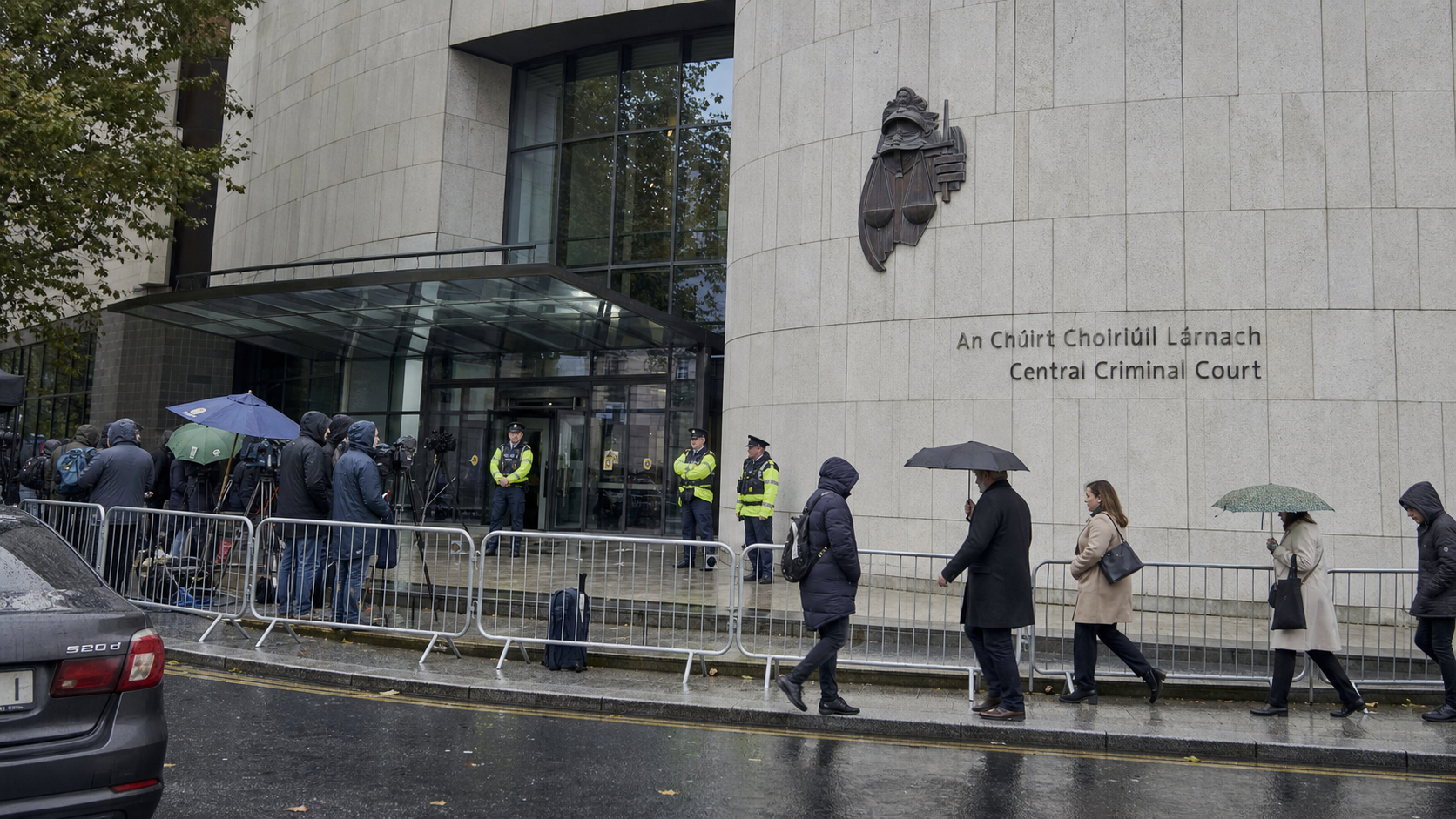
Former Irish swimming coach George Gibney has been convicted of historic sexual abuse charges at Dublin's Central Criminal Court, bringing to a close a decades-long pursuit of justice that has become one of the most significant cases in the history of Irish sport. Gibney, who coached some of Ireland's most successful swimmers in the 1970s and 1980s, had evaded prosecution for more than 30 years after leaving Ireland in the 1990s following the collapse of an earlier case. His conviction follows an extraordinary international effort by survivors, journalists, and law enforcement agencies to bring him to account.
Background
George Gibney was one of the most prominent figures in Irish swimming for two decades. As national coach and as a coach at Trojan Swimming Club in Dublin, he worked with some of the country's most talented young swimmers, producing athletes who competed at Olympic and World Championship level. His reputation in the sport was formidable, and his access to young athletes was extensive and largely unsupervised — a reflection of the era and of the deference that was routinely extended to authority figures in Irish sport and society.
Behind that reputation, Gibney was committing serious sexual offences against the young people in his care. Allegations against him began to emerge in the early 1990s, and in 1993 he was charged with 27 counts of unlawful carnal knowledge and indecent assault against ten victims. However, the case collapsed in 1994 when the Supreme Court ruled that the charges could not proceed because of the delay between the alleged offences and the prosecution — a ruling that was devastating for the survivors and that allowed Gibney to leave Ireland without facing justice.
He settled in the United States, where he continued to work in swimming for a period before the extent of his history became more widely known. The case was the subject of a landmark podcast series, "Where is George Gibney?", produced by RTÉ and the BBC, which brought the story to a global audience and renewed pressure on authorities to find a way to bring Gibney to justice. The podcast, which won multiple awards, documented the survivors' decades-long fight for accountability and the legal and jurisdictional obstacles that had prevented prosecution.
Key Developments
The conviction at Dublin's Central Criminal Court on 6 July 2026 represents the culmination of a legal process that has been years in the making. The precise charges on which Gibney was convicted and the details of the trial proceedings have been subject to reporting restrictions in some respects, but the conviction itself is a matter of public record and has been confirmed by the Courts Service. The case was made possible by changes in Irish law that addressed the limitation issues that had previously prevented prosecution, and by the willingness of survivors to give evidence after decades of waiting for justice.
The reaction from survivors and their advocates has been one of profound relief, tempered by the recognition of the enormous personal cost that the decades-long pursuit of justice has exacted. Many of those who were abused by Gibney have spoken publicly over the years about the impact of the abuse on their lives and about the additional trauma of watching him escape accountability for so long. The conviction does not undo that harm, but it represents a formal acknowledgement by the Irish justice system that what was done to them was wrong and that the perpetrator has been held to account.
Swimming Ireland and the Irish Sports Council have both issued statements welcoming the conviction and reaffirming their commitment to child safeguarding in sport. The case has prompted a broader conversation about the safeguarding failures that allowed Gibney to abuse young athletes over an extended period and about the cultural changes that are needed to ensure that such failures cannot recur.
Why It Matters
The Gibney case matters for reasons that extend far beyond the individual. It is a case study in the systemic failures — of institutions, of oversight, of cultural deference to authority — that allowed a predator to operate within Irish sport for years without being stopped. It is also a case study in the resilience of survivors who refused to accept that justice was impossible, even when the legal system appeared to have closed the door on them. And it is a case study in the power of journalism — the RTÉ/BBC podcast was instrumental in keeping the case in the public consciousness and in generating the pressure that ultimately contributed to the renewed legal effort.
The conviction also has implications for how Ireland approaches the prosecution of historic abuse cases more broadly. The legal changes that made the Gibney prosecution possible reflect a growing recognition that the passage of time should not automatically shield perpetrators from accountability, and that the trauma experienced by survivors of childhood abuse can make it extremely difficult to come forward quickly. Those principles have application well beyond this single case.
Local Impact
The impact of the conviction is felt most directly by the survivors and their families, for whom it represents a long-awaited moment of justice. Swimming clubs and sports organisations across Dublin and the wider country have been reflecting on the case and on their own safeguarding arrangements. Trojan Swimming Club, where Gibney coached, has been particularly affected, with current members and officials grappling with the club's historical association with the case. Sport Ireland has confirmed that it will conduct a review of safeguarding standards across all national governing bodies in the light of the conviction, with a report expected before the end of the year.
What's Next
Sentencing in the Gibney case is expected to take place in the coming weeks, with the Central Criminal Court setting a date for a sentencing hearing. Victim impact statements will be heard as part of that process. Swimming Ireland has indicated that it will engage with survivors and their advocates in the aftermath of the conviction to discuss what further steps the organisation can take to acknowledge the harm done and to strengthen its safeguarding framework. The broader question of whether a statutory inquiry into safeguarding failures in Irish sport is warranted is expected to be raised in the Dáil when it returns from its summer recess in September.