Fleadh Cheoil na hÉireann Delivers £53 Million Economic Boost to Belfast as Festival Nears Triumphant Close
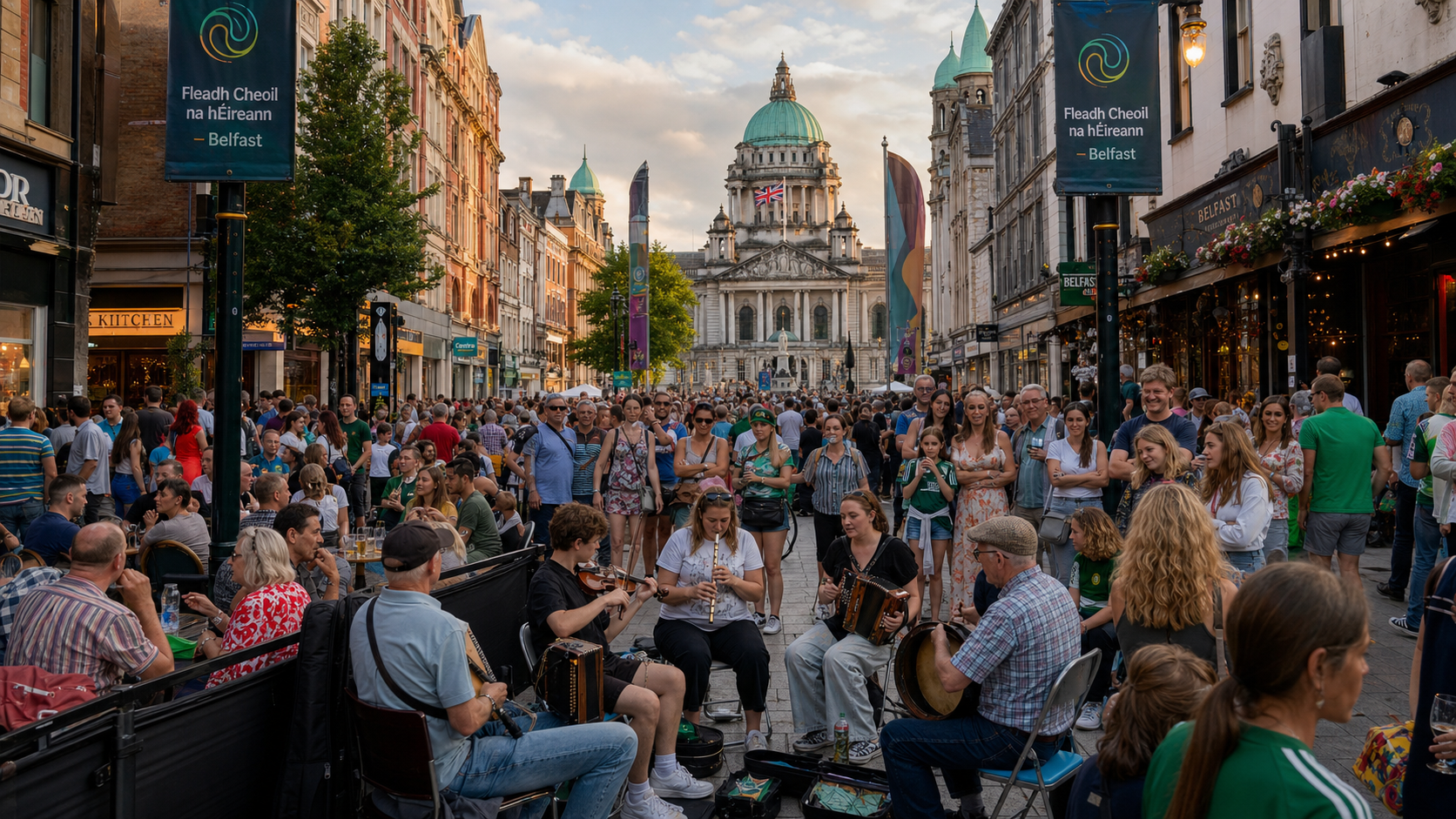
As Fleadh Cheoil na hÉireann prepares to draw its curtain on Sunday after eight extraordinary days in Belfast, organisers and city leaders are celebrating what has been described as a transformative moment for the city — a festival that has delivered a £53 million economic boost, welcomed an estimated 800,000 visitors, and demonstrated Belfast's capacity to host a world-class cultural event of the highest order.
Background
Fleadh Cheoil na hÉireann, the world's largest celebration of traditional Irish music, song, and dance, has been held annually since 1951 under the auspices of Comhaltas Ceoltóirí Éireann. The festival rotates between Irish towns and cities, typically drawing enormous crowds and generating significant economic activity wherever it lands. Previous hosts have included Ennis, Tullamore, Drogheda, and Sligo, each of which has reported transformative impacts on local economies and cultural life.
The decision to bring the 2026 Fleadh to Belfast was announced several years ago and was greeted with a mixture of excitement and cautious optimism. Belfast had hosted the festival only once before, in 1953, and the intervening decades — marked by the Troubles, economic decline, and the long process of post-conflict recovery — had fundamentally changed both the city and its relationship with traditional Irish culture. The 2026 festival, which also marks the 75th anniversary of Comhaltas Ceoltóirí Éireann, was seen as an opportunity to demonstrate how far Belfast had come.
The festival was officially opened on August 2 by Belfast Lord Mayor Róis-Máire Donnelly at City Hall, in the presence of President Catherine Connolly, First Minister Michelle O'Neill, and deputy First Minister Emma Little-Pengelly. The cross-community symbolism of that opening ceremony — with unionist and nationalist leaders sharing a stage to celebrate Irish traditional culture — was not lost on observers.
Key Developments
Over the course of the eight-day festival, Belfast's city centre has been transformed. Major streets have been pedestrianised to accommodate performance areas, trade stands, and outdoor stages, including the Gig Rig at City Hall, which has hosted headline performances from Sharon Shannon and her Big Band, Hothouse Flowers, and the Kilfenora Céilí Band. The Fleadh Fringe has extended the festival's reach across the city, with events at venues including the MAC, the Titanic Slipways, and dozens of pubs and community spaces.
The competition programme, which features over 180 categories of traditional music, song, and dance, has attracted participants from across Ireland, Britain, and the Irish diaspora worldwide. Translink arranged additional late-night services and Park & Ride facilities to manage the unprecedented footfall, while the city's hotels, restaurants, and accommodation providers reported near-total occupancy throughout the week.
The £53 million economic impact figure, confirmed by festival organisers, represents one of the largest single-event economic contributions in Belfast's recent history. The figure encompasses direct spending by visitors on accommodation, food, transport, and entertainment, as well as the broader multiplier effects on the local economy.
Why It Matters
The success of Fleadh Cheoil na hÉireann in Belfast carries significance that extends well beyond the economic figures. For a city that spent decades defined by conflict and division, the hosting of a festival that celebrates a shared cultural heritage — one that crosses community boundaries and speaks to a common Irish identity — represents a powerful statement about where Belfast is today. Traditional music has always occupied a complex space in Northern Ireland's cultural landscape, associated in the popular imagination primarily with nationalist and republican communities. The 2026 Fleadh has challenged that perception, with the Ulster Bands Showcase at the Titanic Slipways explicitly incorporating unionist and Ulster Scots musical traditions into the programme. This is the first time the Fleadh has been held in Belfast since 1953, and the contrast with that earlier hosting — in a city still deeply scarred by sectarian division — could not be more stark.
Local Impact
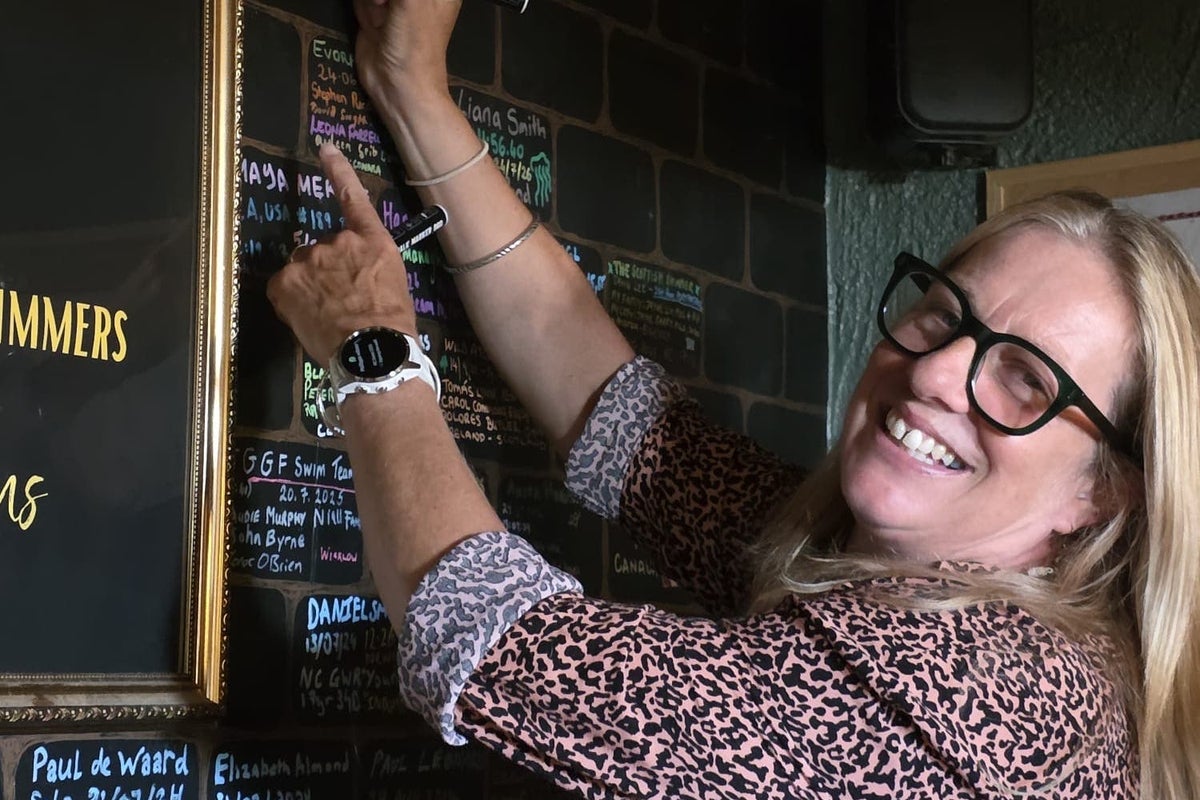
The impact on Belfast's hospitality and retail sectors has been immediate and substantial. Hotels across the city, from the Cathedral Quarter to the Titanic Quarter and south Belfast, reported full occupancy for the duration of the festival. Restaurants and cafés in the city centre experienced their busiest week of the year, with many extending opening hours to meet demand. Translink reported record passenger numbers on its Metro and Glider services during the festival period, with the additional late-night services proving particularly popular. For the city's traditional music community — centred on venues like Kelly's Cellars, the Duke of York, and the John Hewitt — the Fleadh has provided an extraordinary platform, with sessions running from morning to midnight throughout the week.
What's Next
The festival closes on Sunday, August 9, with a final day of competitions and a closing concert. Comhaltas Ceoltóirí Éireann will announce the host city for the 2027 Fleadh in the coming months. Belfast City Council is expected to publish a full economic impact assessment of the 2026 festival in the autumn, which will inform future bids for major cultural events. Several of the community music initiatives launched in connection with the Fleadh are expected to continue beyond the festival, with funding applications to the Arts Council of Northern Ireland already in preparation.