Firmus Energy Announces Gas Price Hikes of Up to 12.5% for Northern Ireland Customers as Middle East Conflict Drives Wholesale Costs
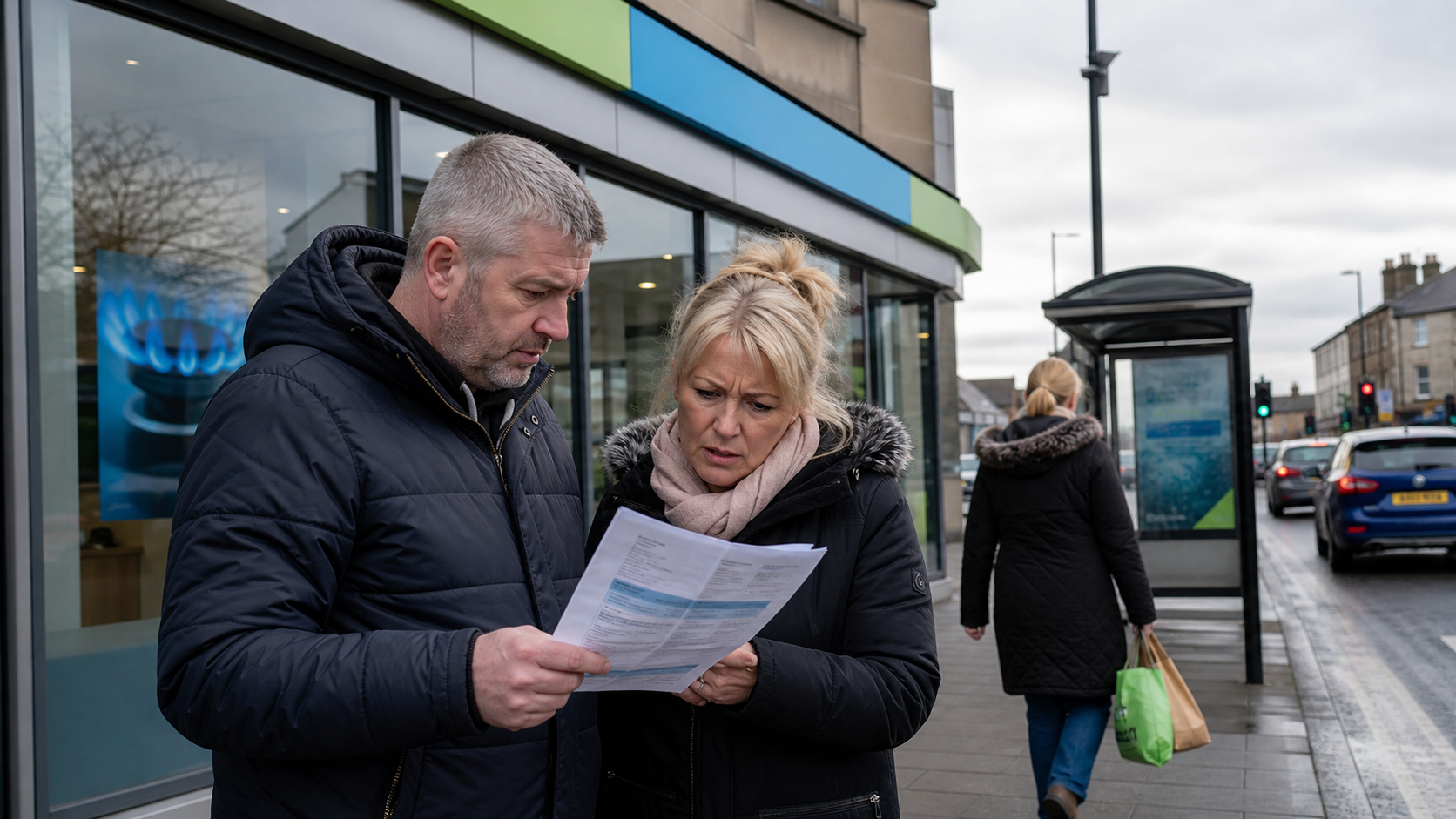
Firmus Energy has confirmed gas tariff increases of between 8.98% and 12.5% for its Northern Ireland customers, effective from October 2026, in the latest blow to households already grappling with energy bills that have risen sharply over the past two years — with the Consumer Council warning that typical combined heating and electricity bills will now exceed £2,000 per year for many affected customers.
Background
Firmus Energy operates two distinct gas distribution networks in Northern Ireland: the Ten Towns network, which serves communities including Armagh, Ballymena, Ballymoney, Coleraine, Cookstown, Downpatrick, Dungannon, Enniskillen, Limavady, and Newry; and the Greater Belfast network, which covers the capital and its surrounding areas. The two networks are regulated separately, and tariff changes are applied independently to each, which is why the increases announced this week differ between the two areas.
Northern Ireland's gas market has been under sustained pressure since the onset of the conflict in the Middle East, which has disrupted global energy supply chains and driven wholesale gas prices to levels not seen since the immediate aftermath of the Russian invasion of Ukraine in 2022. The Utility Regulator, which oversees energy pricing in Northern Ireland, has confirmed that the increases are driven by wholesale market conditions rather than by supplier profit margins, which are capped at approximately 2%.
This is not the first increase Firmus customers have faced in 2026. The Ten Towns network saw a 15.65% tariff rise in July 2026, meaning that customers in that area have now experienced two significant increases within the space of three months. The cumulative impact on household budgets has been considerable, particularly for those on fixed incomes or in fuel poverty.
Key Developments
Under the new tariff structure, customers in the Ten Towns network will face an 8.98% increase from 1 October 2026. For a typical household with a credit meter, this translates to an additional £87 per year, or approximately £7 per month. Customers using prepayment meters will see a similar increase of around £85 annually.
Customers in the Greater Belfast network face a steeper increase of 12.5%, effective from 8 October 2026. For a typical credit meter household in Belfast, this means an additional £147 per year — roughly £12 per month. Prepayment meter customers in the Greater Belfast area will see their annual bills rise by approximately £144.
The Consumer Council for Northern Ireland has expressed serious concern about the cumulative impact of these increases. The organisation noted that typical combined regulated electricity and gas bills for affected customers will now exceed £2,000 per year — a threshold that represents a significant financial burden for many households, particularly those in areas of high deprivation across Belfast, Derry, Newry, and the rural communities served by the Ten Towns network.
Both the Utility Regulator and the Consumer Council have urged customers who are struggling with energy costs to contact Firmus Energy directly to discuss payment plans and available support schemes, including the Affordable Warmth scheme administered by the Department for Communities.
Why It Matters
Northern Ireland's energy market has particular characteristics that make it more vulnerable to wholesale price shocks than the market in Great Britain. The region has no indigenous gas production and is entirely dependent on imports, primarily through the interconnector with Scotland. This means that global price movements feed through to consumer bills with relatively little buffering. The Utility Regulator has noted that, despite the current increases, typical combined bills in Northern Ireland remain lower than those in Great Britain and the Republic of Ireland — but this comparative advantage has narrowed significantly over the past two years.
The timing of the increases — coming as households prepare for the winter heating season — is particularly difficult. Energy poverty campaigners have warned that the combination of rising gas prices and the ongoing cost-of-living pressures in areas such as north and west Belfast, the Bogside in Derry, and rural Fermanagh and Tyrone will push more families into fuel poverty this winter. The Stormont Executive's capacity to respond is constrained by the ongoing budget pressures facing the Department for Communities, which administers the main fuel poverty support schemes.
Local Impact
In practical terms, the increases will be felt most acutely by households in the Greater Belfast network — covering areas from the Shankill and Falls to east Belfast and south Belfast — where the 12.5% rise is the steeper of the two. Customers in the Ten Towns network, which includes communities in Fermanagh, Tyrone, Armagh, and Down, face a somewhat smaller increase but are doing so on the back of the July rise.
Advice NI and Citizens Advice offices across Northern Ireland have reported an increase in enquiries about energy support in recent weeks, and both organisations have urged customers to check their eligibility for the Affordable Warmth scheme and the Winter Fuel Payment before the heating season begins. The PSNI's community policing teams in areas of high deprivation have also been briefed on the increases as part of broader cost-of-living awareness work.
What's Next
The new tariffs take effect on 1 October for Ten Towns customers and 8 October for Greater Belfast customers. The Utility Regulator has indicated it will continue to monitor wholesale gas markets closely and will review tariffs again in early 2027 if market conditions change significantly. Consumer groups have called for a Stormont Executive statement on fuel poverty support ahead of the winter, and the Department for Communities is expected to publish updated guidance on available schemes in the coming weeks. The Consumer Council has also called for a review of the energy support framework to ensure it is adequately targeted at the most vulnerable households.