Firefighters Battle Large Wildfire in Dublin Mountains as Glencullen Blaze Threatens Hillside Communities
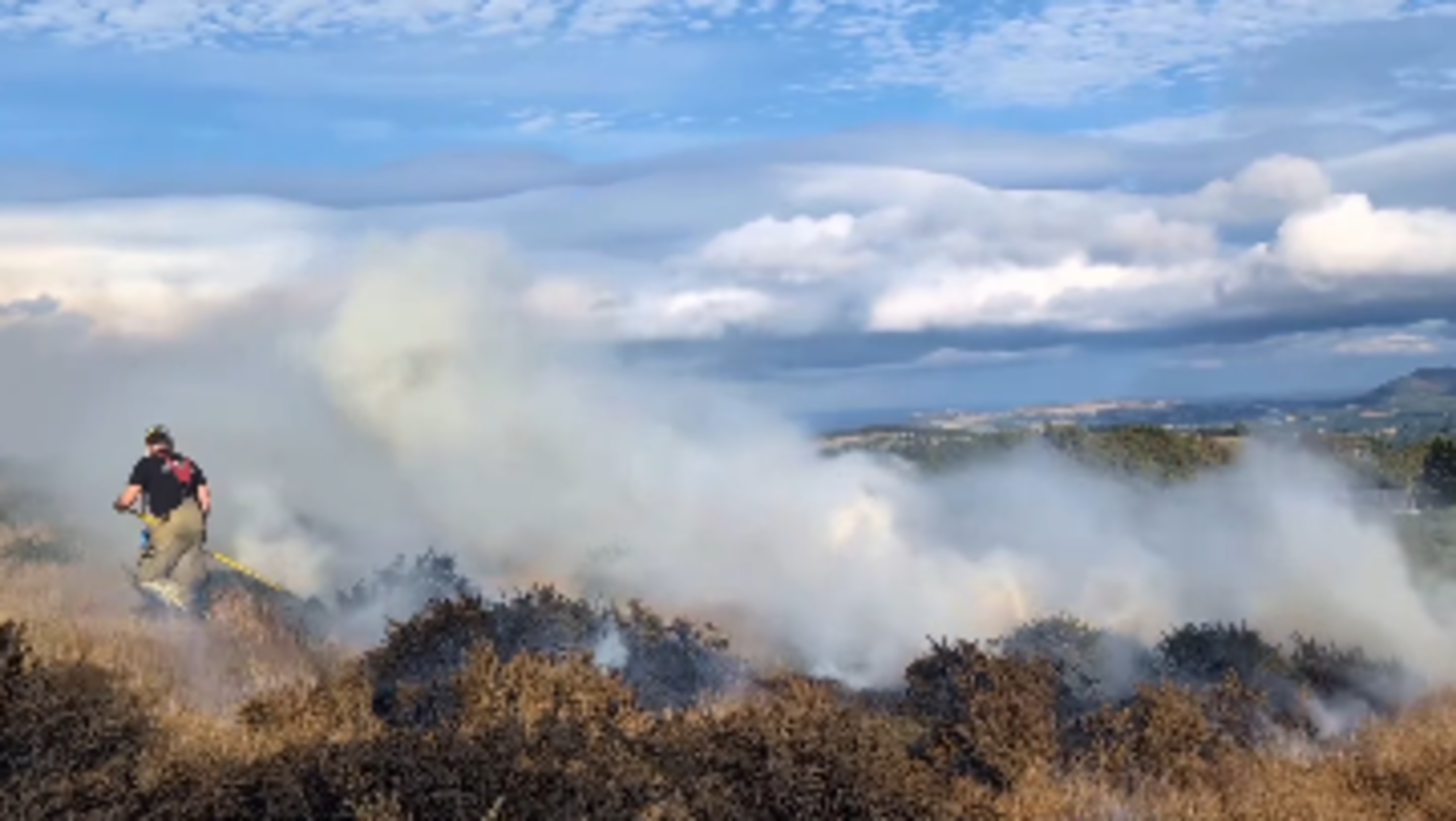
Firefighters from Dublin Fire Brigade and the National Parks and Wildlife Service spent hours battling a large wildfire in the Glencullen area of the Dublin Mountains on Monday, August 3, as dry conditions following weeks of warm weather created dangerous fire risk across upland areas of the country, with a separate blaze on Slievenamon in County Tipperary also requiring emergency response and Met Éireann issuing Status Yellow thunderstorm warnings for multiple counties.
Background
Wildfires in the Dublin Mountains and other upland areas of Ireland have become an increasingly frequent occurrence in recent years, driven by a combination of changing weather patterns, the accumulation of dry vegetation on hillsides, and the growing number of people using upland areas for recreation. The Glencullen valley, which sits on the southern edge of the Dublin Mountains between Kilternan and the Wicklow border, is a popular destination for walkers, cyclists, and families seeking open space within easy reach of the city. Its proximity to residential areas in Stepaside, Sandyford, and the surrounding suburbs makes wildfires in the area a matter of particular concern for local communities.
The National Parks and Wildlife Service, which manages significant areas of upland habitat across Ireland, has been working with local authorities and fire services to develop improved protocols for wildfire response in recent years. However, the resources available for wildfire management in Ireland remain limited relative to the scale of the challenge, and the increasing frequency and intensity of fire events has prompted calls for a more systematic national approach to wildfire prevention and response.
The summer of 2026 has been characterised by extended periods of warm, dry weather across much of Ireland, creating conditions that fire experts have described as unusually hazardous for upland areas. The bank holiday weekend brought large numbers of people to the Dublin Mountains and other popular outdoor destinations, increasing the risk of accidental ignition.
Key Developments
The Glencullen fire was reported on Monday afternoon and spread rapidly across dry hillside vegetation before firefighters were able to establish containment lines. Dublin Fire Brigade deployed multiple units to the scene, working alongside National Parks and Wildlife Service personnel and volunteers from local mountain rescue teams. Aerial support was requested to assist with water drops on the most inaccessible sections of the blaze, and road closures were implemented in the Glencullen area to facilitate the emergency response and protect public safety.
Residents in the immediate vicinity of the fire were advised to remain indoors and to keep windows and doors closed as a precaution against smoke inhalation. No evacuations were ordered, but local Gardaí maintained a presence in the area to manage traffic and ensure public safety. The fire was brought under control by Monday evening, though fire service personnel remained on site overnight to monitor for any rekindling.
The Slievenamon fire in County Tipperary, which broke out separately on the same day, required a response from Tipperary Fire Service and the National Parks and Wildlife Service. The mountain, which rises to 721 metres above the Tipperary plain and is a popular walking destination, experienced significant vegetation loss before the blaze was contained. Met Éireann issued Status Yellow thunderstorm warnings for Cork and several other counties, with heavy rain warnings in place for the southeast — conditions that, while potentially helpful in dampening fire risk, also carry their own hazards for outdoor activities.
Why It Matters
The Glencullen and Slievenamon fires are a reminder that Ireland is not immune to the wildfire risk that has devastated communities in southern Europe, North America, and Australia in recent years. While Ireland's climate has historically been too wet to sustain the kind of catastrophic wildfires seen in those regions, the trend toward warmer, drier summers — consistent with the projections of climate scientists — is changing that calculus. The proximity of the Glencullen fire to residential areas in south Dublin underlines the potential for wildfire to become a genuine threat to life and property in Ireland, not merely a risk to upland habitats. The response of Dublin Fire Brigade and the National Parks and Wildlife Service was effective on this occasion, but the increasing frequency of such events raises questions about whether Ireland's wildfire management infrastructure is adequately resourced for the challenges ahead.
Local Impact
In Glencullen and the surrounding communities of Kilternan, Stepaside, and Sandyford, the fire caused significant anxiety among residents, many of whom watched the smoke rising from the hillside throughout Monday afternoon. Local community groups have been in contact with Dublin City Council and Dún Laoghaire-Rathdown County Council to request a review of the fire management protocols for the Dublin Mountains area, including improved signage about fire risk and enhanced enforcement of restrictions on open fires and barbecues in upland areas during dry periods. The National Parks and Wildlife Service has indicated that it will conduct a post-incident review of the Glencullen fire to identify lessons for future response planning.
What's Next
Met Éireann's weather warnings for thunderstorms and heavy rain are expected to bring some relief to fire-affected areas in the short term, though the risk of lightning strikes igniting new fires in dry vegetation remains a concern. The National Parks and Wildlife Service will assess the extent of habitat damage caused by the Glencullen fire in the coming days and will develop a restoration plan for the affected area. At a national level, the Department of Housing, Local Government and Heritage is expected to publish an updated national wildfire management strategy before the end of 2026, drawing on the lessons of this and previous fire seasons.